
Health
Health Experts Analyze Challenges at Davos 2026 Summit

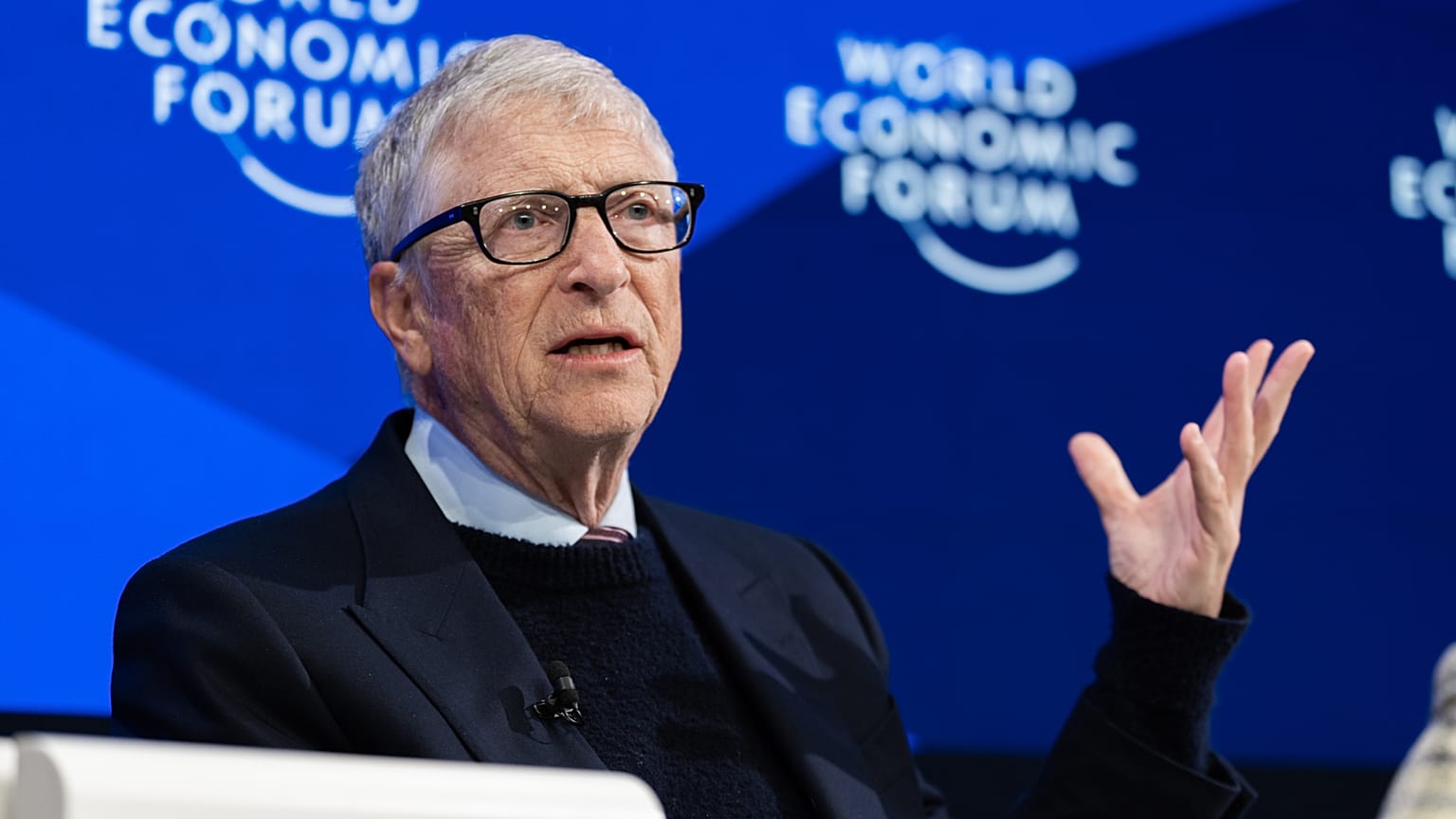
Health professionals convened in Davos for the World Economic Forum 2026, addressing pressing global health challenges and opportunities. The discussions encompassed a wide range of topics, from the integration of artificial intelligence in healthcare to the importance of mental health and accessible healthy lifestyles. Experts underscored the need for enhanced prevention, improved accessibility, and the innovative use of technology to alleviate strains on healthcare systems worldwide.
Reflections on the Golden Age of Global Health
During the summit, the Director-General of the World Health Organization, Tedros Adhanom Ghebreyesus, reflected on what he termed the “golden age for global health” that characterized the first two decades of this century. He highlighted the unprecedented political and financial commitment that led to significant advancements in universal health coverage, with improvements in service coverage and financial protection of approximately one third globally.
Yet, he cautioned that this golden age appears to be waning. “In the past five years, the golden age has ended, and an icy chill has set in,” Tedros remarked. He pointed to funding cuts in foreign aid as a considerable challenge, particularly for vulnerable populations. Nonetheless, he framed this situation as an opportunity to pivot from aid dependency towards self-reliance, emphasizing the need for domestic resource mobilization.
Harnessing AI for Healthcare Innovation
Bill Gates, co-founder of Microsoft and chair of the Gates Foundation, emphasized artificial intelligence’s transformative potential in healthcare delivery. He noted AI’s ability to enhance medical research and streamline medicine distribution, particularly in developing nations where there is a shortage of healthcare professionals.
In partnership with OpenAI, the Gates Foundation announced a commitment of $50 million (€42.7 million) to bolster AI health capacities in African countries, starting with Rwanda. The initiative aims to support 1,000 primary healthcare clinics by 2028. Paula Ingabire, Rwanda’s Minister of Information Communication Technology and Innovation, expressed optimism about leveraging AI to alleviate the burdens faced by healthcare professionals, allowing them to focus more on patient care.
Experts at the forum agreed that it is crucial for innovations in healthcare to reach the communities that need them most. Peter Sanders, executive director of The Global Fund to Fight AIDS, Tuberculosis, and Malaria, emphasized that solutions should be tailored to address significant health problems rather than merely deploying tools without a clear purpose.
The focus on identifying major health issues underlined the discussions around the importance of long-term strategies for tackling non-communicable diseases (NCDs).
Mosa Moshabela, Vice-Chancellor and Principal of the University of Cape Town, highlighted the substantial financial burden of NCDs, which is projected to exceed $30 trillion (€25.5 trillion) between 2011 and 2030. He advocated for a shift towards prevention as a means of reducing costs and improving public health outcomes.
Fostering Healthier Choices and Mental Well-Being
The conversation also turned to the accessibility of healthy choices. Johan Westman from AAK, a global company specializing in plant-based oils and fats, noted that healthier food options may not be affordable or accessible for many individuals. “Healthier food today might be more expensive and take longer to prepare, making it less accessible to everyone,” he stated.
Mental health emerged as a critical component of health discussions, with experts recognizing the correlation between mental well-being and non-communicable diseases. Marija Manojlovic, executive director of Safe Online, addressed the impact of digital technologies on youth mental health. She highlighted the normalization of online issues, stressing that the consequences on mental health are significant regardless of the digital context.
Ending the stigma surrounding mental health was deemed essential for encouraging individuals to seek help. Linda Mills, president of New York University, emphasized the importance of support systems, noting that many individuals experiencing distress do not come forward for assistance. “If people ask for help, we can take steps to support them,” she explained.
The discussions at Davos 2026 underscored the dynamic and multifaceted challenges facing global health today. With a focus on leveraging technology, prioritizing prevention, and ensuring accessibility, health experts are striving to navigate the complexities of the current health landscape.

Urgent Crisis: Delayed Psychiatric Reports Threaten Fair Trials

Majella O’Donnell Opens Up About Mental Health Battle on Late Late Show

Canada Opens New Consulate in Greenland to Strengthen Ties

Ireland Celebrates Graduates While Trump Invites Taoiseach to White House

Derry City Secures Last-Minute Victory Against Sligo Rovers

University of Galway Unveils Medical Device Prototype Hub with Medtronic

England ‘A’ Dominates Ireland XV with 52-14 Victory at Thomond Park

SAS Flight Averts Crisis After Takeoff on Incorrect Taxiway

Major Fashion Chain New Yorker to Open First Store in Ireland

Tributes Surge for 9-Year-Old Leon Briody After Cancer Battle

Aimee Osbourne Joins Family for Emotional Tribute to Ozzy

Danny Healy-Rae Considers Complaint After Altercation with Garda

Ireland Enjoys Summer Heat as Hurricane Erin Approaches Atlantic

Hawaii Commemorates 80 Years Since Hiroshima Bombing with Ceremony

Newcastle West Woman Patricia Foley Found Safe After Urgent Search

Fianna Fáil TDs Urgently Consider Maire Geoghegan-Quinn for Presidency

Couple Convicted of Murdering Two-Year-Old Grandson in Wales

Gaza Aid Distribution Tragedy: 20 Killed Amid Ongoing Violence
-
 Top Stories5 months ago
Tributes Surge for 9-Year-Old Leon Briody After Cancer Battle
-
 Entertainment6 months ago
Aimee Osbourne Joins Family for Emotional Tribute to Ozzy
-
 Politics6 months ago
Danny Healy-Rae Considers Complaint After Altercation with Garda
-
 Top Stories6 months ago
Ireland Enjoys Summer Heat as Hurricane Erin Approaches Atlantic
-
 World7 months ago
Hawaii Commemorates 80 Years Since Hiroshima Bombing with Ceremony
-
 Top Stories5 months ago
Newcastle West Woman Patricia Foley Found Safe After Urgent Search
-
 Top Stories7 months ago
Fianna Fáil TDs Urgently Consider Maire Geoghegan-Quinn for Presidency
-
 World7 months ago
Couple Convicted of Murdering Two-Year-Old Grandson in Wales
-
 World7 months ago
Gaza Aid Distribution Tragedy: 20 Killed Amid Ongoing Violence
-

 Top Stories6 months ago
Climbing Errigal: A Must-Do Summer Adventure in Donegal
-

 Top Stories6 months ago
Hike Donegal’s Errigal Mountain NOW for Unforgettable Summer Views
-

 World7 months ago
Aristocrat Constance Marten and Partner Convicted of Infant Murder