
World
Rafah Crossing Reopens as Key Step in Gaza Ceasefire Plan

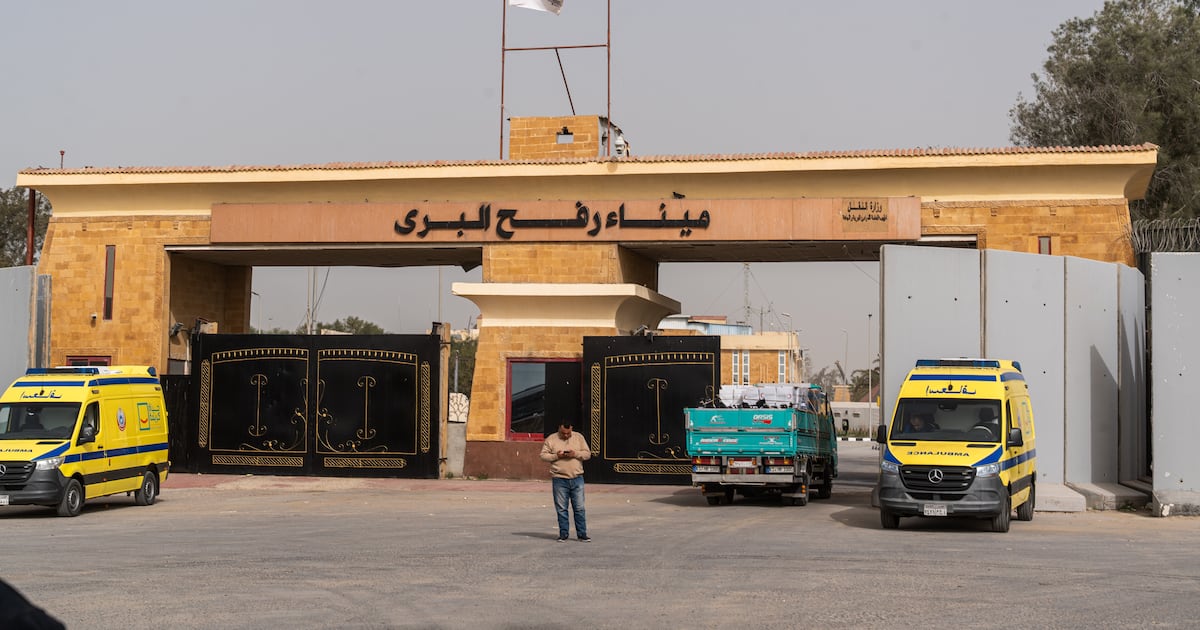
The Rafah crossing between Gaza and Egypt reopened on Monday, marking a significant development in the ongoing Gaza ceasefire plan initiated by US President Donald Trump. This reopening allows residents to travel in and out of Gaza, albeit under strict limitations. Initially, only 150 people will be permitted to exit daily, while around 50 will be allowed to enter. With over 20,000 residents in need of medical treatment abroad, these numbers represent a fraction of the urgent needs faced by the population.
The crossing had been sealed off by Israel in early October 2023 following a Hamas-led assault in southern Israel. In May 2024, Israeli forces took control of the Rafah crossing. The European Union’s foreign policy chief, Kaja Kallas, described the reopening as a “lifeline” for sick and wounded Palestinians, highlighting its significance as a step forward in the peace process. “The opening of the Rafah crossing marks a concrete and positive step in the peace plan,” she stated via social media.
Limited Access Amid Broader Humanitarian Concerns
Despite its limited initial capacity, the reopening is expected to pave the way for increased usage in the coming days. The EU Border Assistance Mission (EUBAM) is collaborating with Palestinian authorities at the terminal, while Israeli security forces will conduct checks, including facial recognition technology, to monitor those entering and exiting.
The reopening follows a successful pilot program on Sunday, and while it currently focuses on individual travelers, there are plans to eventually allow trucks to bring humanitarian aid and other essential goods into Gaza. Additional measures under the ceasefire plan are anticipated as the situation evolves.
The new Palestinian technocratic committee, closely affiliated with the Palestinian Authority, is expected to utilize the crossing this week to begin addressing the urgent need for rehabilitation in Gaza. However, the dominant presence of Hamas in the western areas of Gaza complicates these efforts, as the militant group maintains a significant number of armed fighters.
Challenges Ahead: Disarmament and Political Dynamics
A critical aspect of the ceasefire plan involves the disarmament of Hamas, which has thus far refused to lay down its arms. On Monday, Bezalel Smotrich, Israel’s far-right finance minister, indicated that Israel would issue an ultimatum to Hamas, demanding disarmament within 60 days. Failure to comply could result in military action aimed at reasserting control over Gaza.
While Smotrich’s comments reflect a hardline stance, the implications of such an action remain uncertain. President Trump, who is closely monitoring the situation, has made the Gaza ceasefire a key aspect of his foreign policy. Israeli Prime Minister Benjamin Netanyahu must balance his political strategies, especially with elections approaching, while managing relations with both Trump and Hamas.
The situation in Gaza remains fluid, with the reopening of the Rafah crossing serving as a critical juncture in a complex and evolving landscape. As humanitarian needs grow, the international community watches closely to see how both political and military dynamics will unfold in the coming weeks.

Mother Reveals Daughter’s Meningitis Seizure After Night Out

Major Oil Spill Disrupts Traffic in Donegal on March 16, 2026

Discovering Literature: The Joys of Rejoining a Public Library

Ted Season 2 Announced: Release Date & Trailer Updates Revealed

Research Ireland and UKRI Forge New Collaboration Agreement

David McGoldrick’s Impressive Scoring Streak Sparks World Cup Talk

Plane Crash Claims Lives of Publishing Heir, Pregnant Wife, and Pilot

Oscars Snub Brigitte Bardot Sparks Controversy Over In Memoriam

Meta Plans Major Layoffs to Offset Rising AI Investment Costs

Tributes Surge for 9-Year-Old Leon Briody After Cancer Battle

Aimee Osbourne Joins Family for Emotional Tribute to Ozzy

Danny Healy-Rae Considers Complaint After Altercation with Garda

Hawaii Commemorates 80 Years Since Hiroshima Bombing with Ceremony

Ireland Enjoys Summer Heat as Hurricane Erin Approaches Atlantic

Couple Convicted of Murdering Two-Year-Old Grandson in Wales

Newcastle West Woman Patricia Foley Found Safe After Urgent Search

Fianna Fáil TDs Urgently Consider Maire Geoghegan-Quinn for Presidency

Gaza Aid Distribution Tragedy: 20 Killed Amid Ongoing Violence
-
 Top Stories7 months ago
Tributes Surge for 9-Year-Old Leon Briody After Cancer Battle
-
 Entertainment9 months ago
Aimee Osbourne Joins Family for Emotional Tribute to Ozzy
-
 Politics9 months ago
Danny Healy-Rae Considers Complaint After Altercation with Garda
-
 World9 months ago
Hawaii Commemorates 80 Years Since Hiroshima Bombing with Ceremony
-
 Top Stories8 months ago
Ireland Enjoys Summer Heat as Hurricane Erin Approaches Atlantic
-
 World9 months ago
Couple Convicted of Murdering Two-Year-Old Grandson in Wales
-
 Top Stories7 months ago
Newcastle West Woman Patricia Foley Found Safe After Urgent Search
-
 Top Stories9 months ago
Fianna Fáil TDs Urgently Consider Maire Geoghegan-Quinn for Presidency
-
 World9 months ago
Gaza Aid Distribution Tragedy: 20 Killed Amid Ongoing Violence
-

 World9 months ago
Aristocrat Constance Marten and Partner Convicted of Infant Murder
-

 Top Stories8 months ago
Hike Donegal’s Errigal Mountain NOW for Unforgettable Summer Views
-

 Top Stories8 months ago
Climbing Errigal: A Must-Do Summer Adventure in Donegal