
Entertainment
Bruce Lee’s Legacy Explored: Race, Identity, and Influence

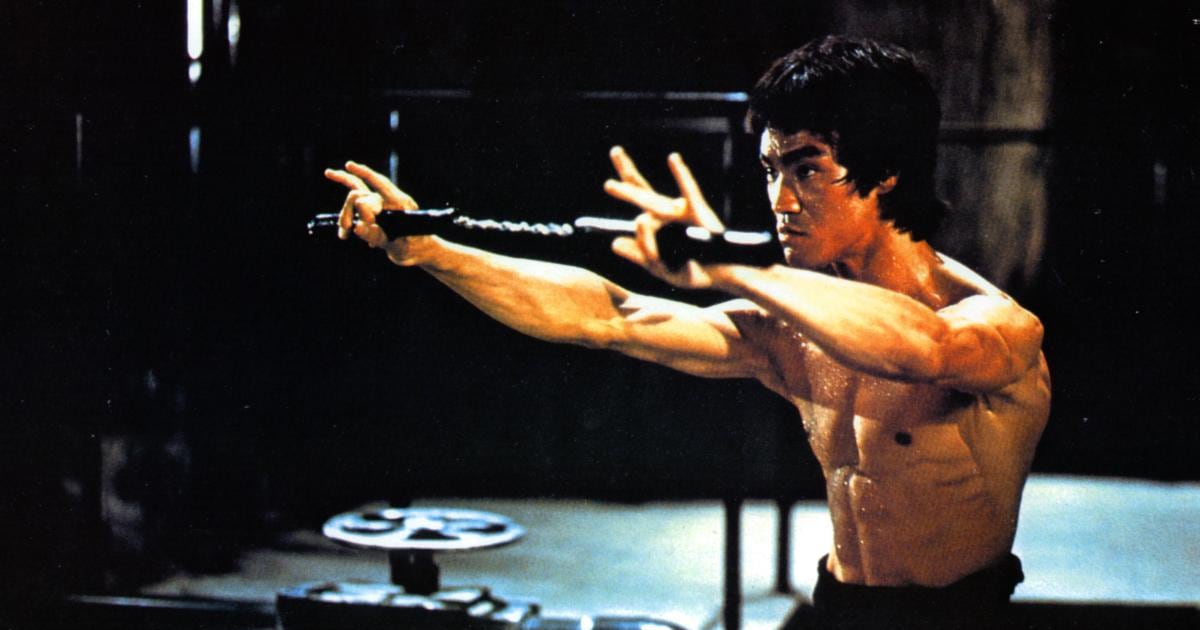
A new biography titled *Water Mirror Echo: Bruce Lee and the Making of Asian America* by Jeff Chang delves into the life and legacy of martial arts icon Bruce Lee, focusing on his impact on race and identity in the United States. While many biographies have examined Lee’s life since his untimely death in 1973 at the age of 32, Chang’s work offers a fresh perspective on Lee as the first Asian American superstar in Western culture.
Chang’s narrative does not provide groundbreaking new details for dedicated fans familiar with other biographies, particularly Fighting Spirit by Bruce Thomas. Nevertheless, Chang’s emphasis on Lee’s significance in the context of race adds depth to the understanding of his influence. He asserts, “In the States, no one who looked like him had ever been seen,” highlighting Lee’s role in challenging racial prejudices through his remarkable career.
Redefining Identity and Culture
Lee’s impact transcended martial arts; he became a symbol of empowerment for Asian Americans. Chang reflects on his own experiences growing up, stating, “I am part of the first generation after the advent of the Asian American, which was also the first generation After Bruce. Growing up, for me and many others, the idea of Asian Americans and the idea of Bruce Lee were inseparable.” Lee’s representation helped shape a new reality for Asian Americans in a culture where they had often been marginalized.
Had Lee been alive today, he would have celebrated his 85th birthday last month. His legacy continues to resonate, particularly in discussions surrounding multiculturalism. Lee’s kung fu school in the early 1960s attracted a diverse group of students, including African American, Native American, and Japanese American individuals. This blend of backgrounds reflects the tumultuous racial dynamics of the era.
Lee’s marriage to Linda Emery, an American, in a time when interracial unions were often frowned upon, further exemplifies his commitment to breaking down barriers. Born in San Francisco to Chinese immigrant parents and raised in Hong Kong, Lee returned to the U.S. as a teenager, fully embracing his rights as an American citizen.
Continuing Influence on Contemporary Issues
Even after his death, Lee’s philosophy and approach to life continue to shed light on pressing contemporary issues. His life symbolizes a bridge across cultures, demonstrating the potential for unity in diversity. Chang’s account serves as a reminder of the ongoing relevance of Lee’s message in today’s society.
As Chang navigates the intersections of race and identity through Lee’s story, he invites readers to reflect on how Lee’s legacy has shaped their understanding of Asian American identity. The book not only commemorates the life of Bruce Lee but also serves as a catalyst for conversations about representation, empowerment, and the complexities of cultural identity in modern America.

State Agency Warns of Rising Synthetic Opioid Threat in 2024

John Shortt Shatters National Records at Irish Winter Championships

EU Overrides Hungary’s Veto to Fund Ukraine with Frozen Assets

Ukraine’s EU Membership by 2027 Faces Diplomatic Hurdles

Kilkenny Experiences Christmas Shopping Surge Amid Dublin Bombings

Patrick Kielty Hosts Festive Late Late Show with Star-Studded Guests

State Agency Issues Warning on Rising Threat of Synthetic Opioids

Leicester and Leinster Clash in Thrilling Champions Cup Encounter

EU Overrides Orban to Fund Ukraine with Frozen Russian Assets

Tributes Surge for 9-Year-Old Leon Briody After Cancer Battle

Aimee Osbourne Joins Family for Emotional Tribute to Ozzy

Danny Healy-Rae Considers Complaint After Altercation with Garda

Ireland Enjoys Summer Heat as Hurricane Erin Approaches Atlantic

Hawaii Commemorates 80 Years Since Hiroshima Bombing with Ceremony

Newcastle West Woman Patricia Foley Found Safe After Urgent Search

Fianna Fáil TDs Urgently Consider Maire Geoghegan-Quinn for Presidency

Couple Convicted of Murdering Two-Year-Old Grandson in Wales

Gaza Aid Distribution Tragedy: 20 Killed Amid Ongoing Violence
-
 Top Stories3 months ago
Tributes Surge for 9-Year-Old Leon Briody After Cancer Battle
-
 Entertainment5 months ago
Aimee Osbourne Joins Family for Emotional Tribute to Ozzy
-
 Politics5 months ago
Danny Healy-Rae Considers Complaint After Altercation with Garda
-
 Top Stories4 months ago
Ireland Enjoys Summer Heat as Hurricane Erin Approaches Atlantic
-
 World5 months ago
Hawaii Commemorates 80 Years Since Hiroshima Bombing with Ceremony
-
 Top Stories3 months ago
Newcastle West Woman Patricia Foley Found Safe After Urgent Search
-
 Top Stories5 months ago
Fianna Fáil TDs Urgently Consider Maire Geoghegan-Quinn for Presidency
-
 World5 months ago
Couple Convicted of Murdering Two-Year-Old Grandson in Wales
-
 World5 months ago
Gaza Aid Distribution Tragedy: 20 Killed Amid Ongoing Violence
-

 World5 months ago
Aristocrat Constance Marten and Partner Convicted of Infant Murder
-

 Top Stories4 months ago
Climbing Errigal: A Must-Do Summer Adventure in Donegal
-

 Top Stories4 months ago
Hike Donegal’s Errigal Mountain NOW for Unforgettable Summer Views