
Health
Health Minister Stands Firm on Blister Pack Charges Despite Backlash

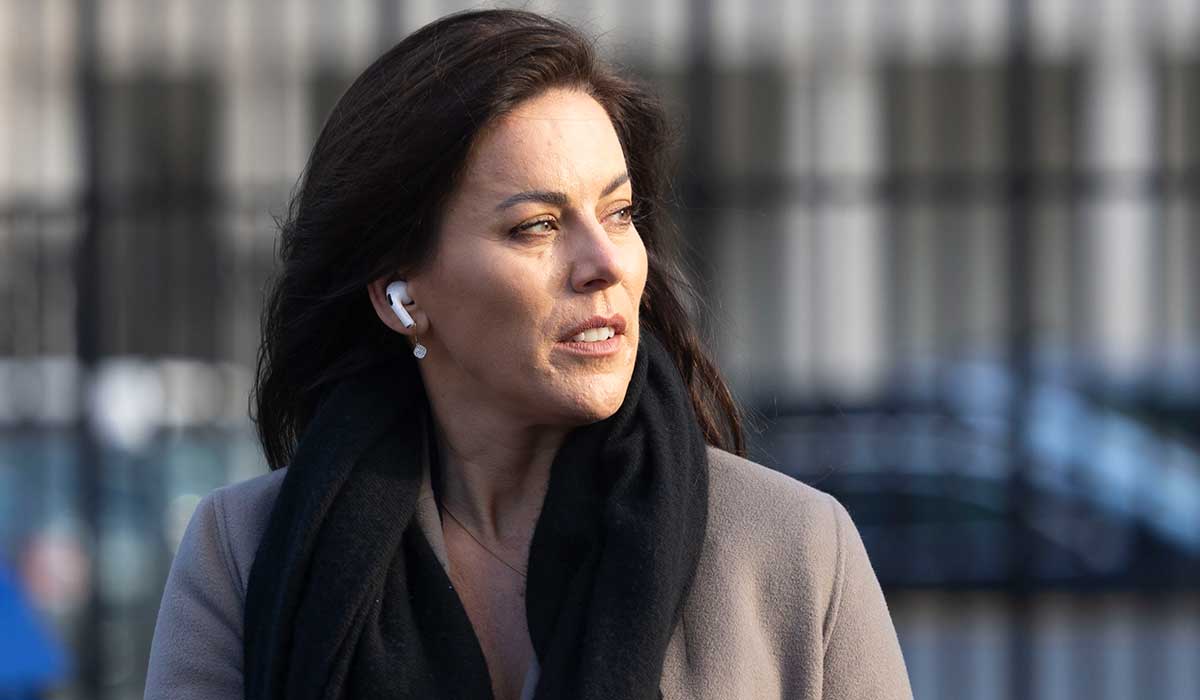
The Health Minister, Jennifer Carroll MacNeill, has reaffirmed her decision to implement charges for blister packs, despite rising political and public opposition. Starting from January 1, 2024, patients, particularly the elderly and those with illnesses such as dementia, may face new fees estimated at up to €50 monthly for this pharmacy service.
The controversy intensified when Taoiseach Micheál Martin expressed his concern about the financial burden on patients, stating that he does not support price hikes for a service that has traditionally been free. Nevertheless, Carroll MacNeill remains steadfast in her stance, citing a new agreement between the State and community pharmacies that has led to these changes.
Impact of Technical Changes on Prescription Services
The introduction of fees for the monitored dosage system, commonly known as blister packs, is a result of adjustments made to a 30-year-old scheme. Under this new framework, limits have been placed on the number of medications for which pharmacies can seek reimbursement from the Department of Health. A strategic collaboration group, consisting of officials from the department, pharmacists, and the Health Service Executive (HSE), is expected to review the public medicine programme in the coming year. This review suggests that vulnerable patients may face ongoing fees for this essential service.
Blister packs play a crucial role in managing complex medication regimens, helping to prevent hospitalisations due to medication errors. The service is particularly vital for individuals who struggle with memory issues, ensuring they receive their medications as prescribed.
During a recent session in the Dáil, the issue was raised during Leaders’ Questions. Taoiseach Martin stated, “I am not sure there should be a fee attached at all.” Sinn Féin representative Pearse Doherty highlighted the financial strain this would place on constituents, questioning the government’s rationale for introducing fees after decades of state-funded service.
Concerns from Patients and Health Advocates
As discussions unfold, concerns are mounting among patients and their families. One relative, speaking on RTÉ Radio 1’s Liveline, shared her anxiety about the potential impact of these charges on her elderly family member, who requires twelve medications daily. “Her memory is not good,” she remarked, emphasizing the risk of double dosing or missing vital medications if costs rise.
The Labour Party has also voiced opposition to the impending charges. Health spokeswoman Marie Sherlock urged Carroll MacNeill to reconsider the decision, calling the lack of a state-funded blister pack service “short-sighted” and contradictory to community care principles. She stressed the need for urgent intervention to protect vulnerable individuals who depend on this service during the winter months.
Despite the mounting pressure, a spokesperson for the Department of Health reiterated that it was never the State’s intention for pharmacies to charge for issuing blister packs. As the situation unfolds, it remains to be seen how these changes will affect patients and whether further negotiations will take place to address the concerns of those reliant on this critical service.

Urgent: Polar Bears’ DNA Changes Offer Hope Amid Extinction Threat

Irish Regulator Urgently Considers Testing Food for Toxic TFA

Urgent Security Alert: Drones Threaten Ireland Amid Zelenskyy Visit

Dublin Launches World’s First Artificial Christmas Tree Recycling

Tragedy Strikes Adele ‘Twink’ King as Beloved Cockatiel Dies

Ireland Confirms Christmas Payment Schedule for Social Welfare Recipients

RDS Visual Art Awards 2025 Celebrates New Talent at RHA Gallery

Flu Cases Surge as HSE Warns of Mutant Strain Peak Ahead

Discover Ireland’s Rivers: Legends, Myths, and Mystical Tales

Tributes Surge for 9-Year-Old Leon Briody After Cancer Battle

Aimee Osbourne Joins Family for Emotional Tribute to Ozzy

Danny Healy-Rae Considers Complaint After Altercation with Garda

Ireland Enjoys Summer Heat as Hurricane Erin Approaches Atlantic

Hawaii Commemorates 80 Years Since Hiroshima Bombing with Ceremony

Newcastle West Woman Patricia Foley Found Safe After Urgent Search

Fianna Fáil TDs Urgently Consider Maire Geoghegan-Quinn for Presidency

Couple Convicted of Murdering Two-Year-Old Grandson in Wales

Gaza Aid Distribution Tragedy: 20 Killed Amid Ongoing Violence
-
 Top Stories3 months ago
Tributes Surge for 9-Year-Old Leon Briody After Cancer Battle
-
 Entertainment5 months ago
Aimee Osbourne Joins Family for Emotional Tribute to Ozzy
-
 Politics5 months ago
Danny Healy-Rae Considers Complaint After Altercation with Garda
-
 Top Stories4 months ago
Ireland Enjoys Summer Heat as Hurricane Erin Approaches Atlantic
-
 World5 months ago
Hawaii Commemorates 80 Years Since Hiroshima Bombing with Ceremony
-
 Top Stories3 months ago
Newcastle West Woman Patricia Foley Found Safe After Urgent Search
-
 Top Stories5 months ago
Fianna Fáil TDs Urgently Consider Maire Geoghegan-Quinn for Presidency
-
 World5 months ago
Couple Convicted of Murdering Two-Year-Old Grandson in Wales
-
 World5 months ago
Gaza Aid Distribution Tragedy: 20 Killed Amid Ongoing Violence
-

 World5 months ago
Aristocrat Constance Marten and Partner Convicted of Infant Murder
-

 Top Stories4 months ago
Climbing Errigal: A Must-Do Summer Adventure in Donegal
-

 Top Stories4 months ago
Hike Donegal’s Errigal Mountain NOW for Unforgettable Summer Views