
Science
State Agency Warns of Rising Threat from Synthetic Opioids

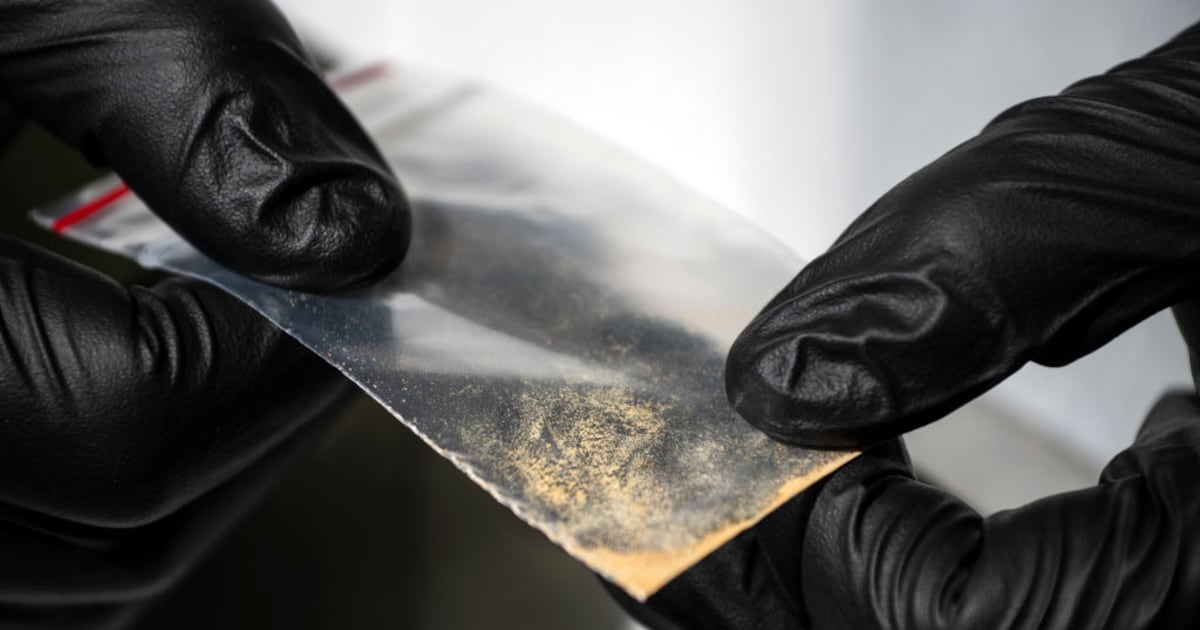
The State agency responsible for monitoring illicit drugs, Forensic Science Ireland (FSI), has issued a serious warning regarding the increasing threat posed by synthetic opioids. The agency identified ten new drug substances or unusual drug presentations in its latest annual report, highlighting a troubling surge in drug-related issues.
In the 2024 report, Dr. Geraldine O’Donnell, acting director general of FSI, revealed that cases involving large drug seizures, categorized as Section 15A drug dealing cases, have escalated dramatically. The number rose from 45 in 2020 to a staggering 318 in 2024, marking a sevenfold increase. Dr. O’Donnell noted that between 2022 and 2023, FSI detected various variants of nitazenes, a class of synthetic opioids, in smaller drug seizures comprising tablets and powders.
As noted in the report, “2024 marked a significant shift,” with two of the largest nitazene seizures recorded not only in Ireland but across Europe. Among the newly identified substances is protonitazene, which is described as “significantly more potent than heroin.”
In early 2024, FSI received an urgent request from An Garda Síochána to analyze several packages of a brown powder. The analysis revealed 1.9 kilograms of protonitazene mixed with caffeine and paracetamol. The report emphasized that this dangerous substance was intended for the heroin market but was fortunately intercepted before distribution.
Emerging Drug Trends and Concerns
The FSI report also highlighted the detection of a new and unusual drug presentation referred to as “Tuci.” This substance comprises 125 grams of a pink powder containing ketamine, amphetamine, MDMA, and caffeine.
The report outlines that nitazenes were initially developed as analgesics in the 1950s but were never marketed due to their high overdose risk. It also details that cannabis and edibles represented 44 percent of all drugs analyzed in 2024, with powdered substances accounting for 38 percent of cases.
The overall number of cases submitted to FSI by An Garda Síochána and other State agencies last year reached 25,170, which included 10,595 drug and toxicology cases. The agency reported on 41 suspicious death investigations in 2024, a 17 percent increase from the 2023 figure of 35.
In addition to drug analysis, FSI staff provided expert testimony on 110 occasions in court throughout the year. The report also noted that DNA evidence from FSI was extensively used in Garda investigations related to various serious offenses, including murders, assaults, and drug seizures associated with organized crime.
Impact on Society and Future Actions
The report indicates that FSI assisted in identifying 32 missing persons in 2024 through DNA analysis, highlighting the agency’s multifaceted role in the community. Furthermore, 997 cases were supported during the year, benefiting from approximately 766 hits on the national DNA database.
The alarming trends outlined in the FSI report underscore the urgent need for increased vigilance and enhanced strategies to combat the rising threat of synthetic opioids and other dangerous substances. As authorities continue to address these challenges, the focus remains on protecting public health and safety through effective law enforcement and community outreach.

State Agency Warns of Rising Synthetic Opioid Threat in 2024

John Shortt Shatters National Records at Irish Winter Championships

EU Overrides Hungary’s Veto to Fund Ukraine with Frozen Assets

Ukraine’s EU Membership by 2027 Faces Diplomatic Hurdles

Kilkenny Experiences Christmas Shopping Surge Amid Dublin Bombings

Patrick Kielty Hosts Festive Late Late Show with Star-Studded Guests

State Agency Issues Warning on Rising Threat of Synthetic Opioids

Leicester and Leinster Clash in Thrilling Champions Cup Encounter

EU Overrides Orban to Fund Ukraine with Frozen Russian Assets

Tributes Surge for 9-Year-Old Leon Briody After Cancer Battle

Aimee Osbourne Joins Family for Emotional Tribute to Ozzy

Danny Healy-Rae Considers Complaint After Altercation with Garda

Ireland Enjoys Summer Heat as Hurricane Erin Approaches Atlantic

Hawaii Commemorates 80 Years Since Hiroshima Bombing with Ceremony

Newcastle West Woman Patricia Foley Found Safe After Urgent Search

Fianna Fáil TDs Urgently Consider Maire Geoghegan-Quinn for Presidency

Couple Convicted of Murdering Two-Year-Old Grandson in Wales

Gaza Aid Distribution Tragedy: 20 Killed Amid Ongoing Violence
-
 Top Stories3 months ago
Tributes Surge for 9-Year-Old Leon Briody After Cancer Battle
-
 Entertainment5 months ago
Aimee Osbourne Joins Family for Emotional Tribute to Ozzy
-
 Politics5 months ago
Danny Healy-Rae Considers Complaint After Altercation with Garda
-
 Top Stories4 months ago
Ireland Enjoys Summer Heat as Hurricane Erin Approaches Atlantic
-
 World5 months ago
Hawaii Commemorates 80 Years Since Hiroshima Bombing with Ceremony
-
 Top Stories3 months ago
Newcastle West Woman Patricia Foley Found Safe After Urgent Search
-
 Top Stories5 months ago
Fianna Fáil TDs Urgently Consider Maire Geoghegan-Quinn for Presidency
-
 World5 months ago
Couple Convicted of Murdering Two-Year-Old Grandson in Wales
-
 World5 months ago
Gaza Aid Distribution Tragedy: 20 Killed Amid Ongoing Violence
-

 World5 months ago
Aristocrat Constance Marten and Partner Convicted of Infant Murder
-

 Top Stories4 months ago
Climbing Errigal: A Must-Do Summer Adventure in Donegal
-

 Top Stories4 months ago
Hike Donegal’s Errigal Mountain NOW for Unforgettable Summer Views