
Top Stories
Ukraine’s EU Membership by 2027 Faces Diplomatic Hurdles

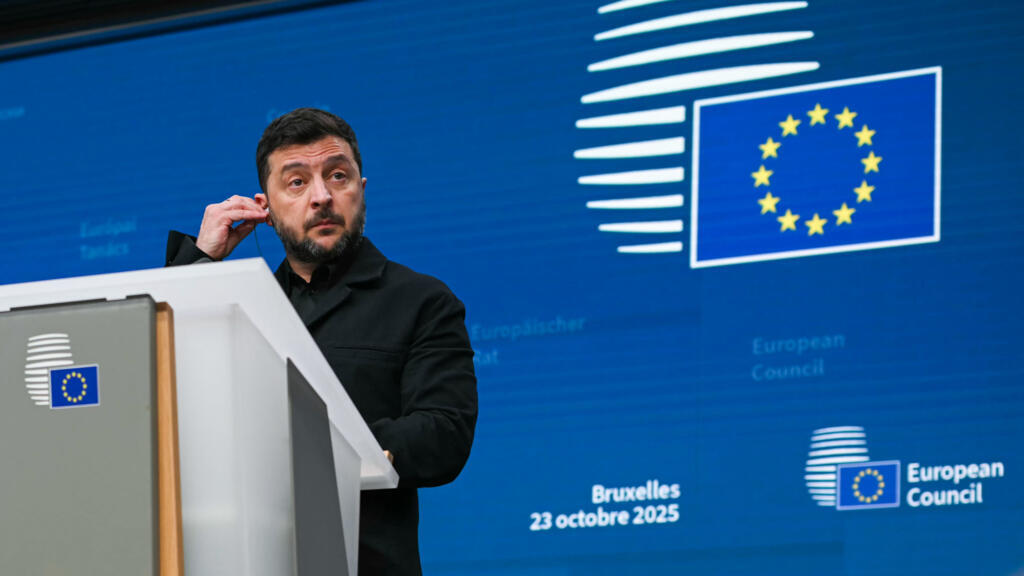
A senior official from the United States announced that a plan to end the war in Ukraine envisions Ukrainian accession to the European Union by 2027. Despite this ambitious timeline, European diplomats express significant skepticism regarding the feasibility of such an integration within the proposed timeframe.
The complexities surrounding Ukraine’s potential EU membership extend beyond mere political will. Even if governments historically aligned with Moscow, such as Hungary, were to support Ukraine’s bid, a myriad of intricate issues would require swift resolution. European officials emphasize that various legal, political, and economic challenges must be addressed before any accession could take place.
Challenges Ahead for Ukrainian Integration
Integrating Ukraine into the EU represents a monumental shift in the region’s geopolitical landscape. Current EU members would need to navigate sensitive topics, including economic disparities and legal reforms in Ukraine. The need for comprehensive assessments of Ukraine’s readiness to meet EU standards is paramount.
Moreover, the ongoing conflict in Ukraine complicates matters. As fighting continues, the EU must consider security implications and the potential impact on member states. Diplomatic sources indicate that the EU’s internal dynamics and the positions of member countries will play a crucial role in determining the outcome of Ukraine’s accession efforts.
U.S. officials have underscored the strategic importance of Ukraine’s inclusion within European frameworks as a means to bolster regional stability. Nevertheless, the reality is that the EU’s decision-making processes often involve lengthy negotiations, which could hinder the timeline set forth by the U.S.
Potential Implications for EU Unity
The prospect of Ukraine joining the EU raises questions about the unity of the bloc. Some member states have expressed concerns about the ramifications of admitting a country currently engaged in conflict. The EU’s ability to maintain cohesion while addressing divergent views among its members will be put to the test.
European diplomats are acutely aware of the sensitivities involved in this discussion. The political landscape within the EU is complex, with various nations holding differing perspectives on enlargement and integration.
As the situation evolves, the focus will remain on how the EU navigates the challenge of potentially welcoming Ukraine amidst ongoing geopolitical tensions. The next few years will be critical in shaping the future relationship between Ukraine and the EU, and how the integration process unfolds will have lasting implications for both parties.
In summary, while the vision of Ukrainian EU membership by 2027 has been articulated, the reality is fraught with diplomatic hurdles that could significantly delay or alter this ambitious plan.

State Agency Warns of Rising Synthetic Opioid Threat in 2024

John Shortt Shatters National Records at Irish Winter Championships

EU Overrides Hungary’s Veto to Fund Ukraine with Frozen Assets

Ukraine’s EU Membership by 2027 Faces Diplomatic Hurdles

Kilkenny Experiences Christmas Shopping Surge Amid Dublin Bombings

Patrick Kielty Hosts Festive Late Late Show with Star-Studded Guests

State Agency Issues Warning on Rising Threat of Synthetic Opioids

Leicester and Leinster Clash in Thrilling Champions Cup Encounter

EU Overrides Orban to Fund Ukraine with Frozen Russian Assets

Tributes Surge for 9-Year-Old Leon Briody After Cancer Battle

Aimee Osbourne Joins Family for Emotional Tribute to Ozzy

Danny Healy-Rae Considers Complaint After Altercation with Garda

Ireland Enjoys Summer Heat as Hurricane Erin Approaches Atlantic

Hawaii Commemorates 80 Years Since Hiroshima Bombing with Ceremony

Newcastle West Woman Patricia Foley Found Safe After Urgent Search

Fianna Fáil TDs Urgently Consider Maire Geoghegan-Quinn for Presidency

Couple Convicted of Murdering Two-Year-Old Grandson in Wales

Gaza Aid Distribution Tragedy: 20 Killed Amid Ongoing Violence
-
 Top Stories3 months ago
Tributes Surge for 9-Year-Old Leon Briody After Cancer Battle
-
 Entertainment5 months ago
Aimee Osbourne Joins Family for Emotional Tribute to Ozzy
-
 Politics5 months ago
Danny Healy-Rae Considers Complaint After Altercation with Garda
-
 Top Stories4 months ago
Ireland Enjoys Summer Heat as Hurricane Erin Approaches Atlantic
-
 World5 months ago
Hawaii Commemorates 80 Years Since Hiroshima Bombing with Ceremony
-
 Top Stories3 months ago
Newcastle West Woman Patricia Foley Found Safe After Urgent Search
-
 Top Stories5 months ago
Fianna Fáil TDs Urgently Consider Maire Geoghegan-Quinn for Presidency
-
 World5 months ago
Couple Convicted of Murdering Two-Year-Old Grandson in Wales
-
 World5 months ago
Gaza Aid Distribution Tragedy: 20 Killed Amid Ongoing Violence
-

 World5 months ago
Aristocrat Constance Marten and Partner Convicted of Infant Murder
-

 Top Stories4 months ago
Climbing Errigal: A Must-Do Summer Adventure in Donegal
-

 Top Stories4 months ago
Hike Donegal’s Errigal Mountain NOW for Unforgettable Summer Views