
World
EU Overrides Hungary’s Veto to Fund Ukraine with Frozen Assets

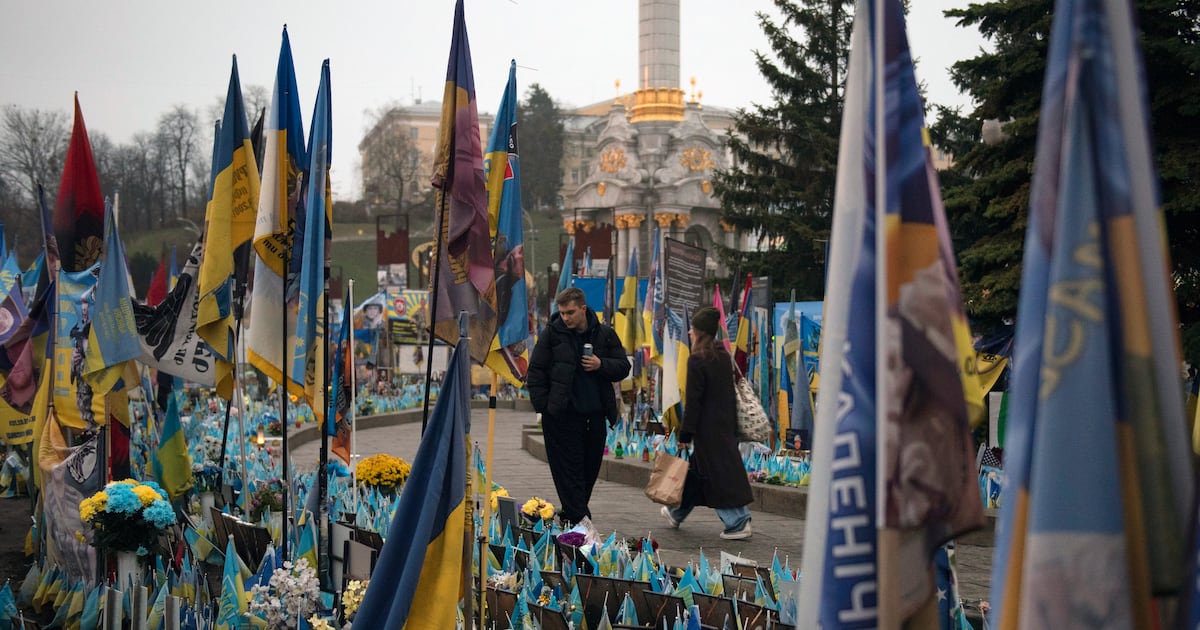
European Union member states have utilized emergency powers to bypass the veto of Hungary’s Prime Minister, Viktor Orban, in order to facilitate a plan that uses frozen Russian assets to finance a loan to Ukraine. This strategic move aims to stabilize the EU’s sanctions against Russia, which need renewal every six months, and to secure critical funding for Ukraine amidst ongoing military conflict.
The EU’s sanctions regime, designed to weaken Russia’s economic capacity following its invasion of Ukraine in *2022*, has often faced challenges due to Orban’s repeated threats to block their renewal. Although he has historically retreated from such threats, his government has sought concessions from other EU states in exchange for support. By approving the use of emergency powers, EU states have now changed the approval process for sanctions, allowing for a sizeable majority of member states to extend sanctions rather than requiring unanimous consent from all 27 nations.
“I think it’s good that we found a legal way to stop the six-monthly kerfuffle,” remarked a diplomat from one EU country, highlighting the significance of this decision. The changes specifically pertain to sanctions that keep Russian central bank assets frozen, excluding other measures affecting Russian industries or individuals linked to President Vladimir Putin’s regime.
Funding Ukraine through Frozen Russian Assets
The EU is eager to leverage approximately €200 billion of Russian state assets, currently immobilized in Europe, to facilitate a loan for Ukraine. This loan is intended to bolster Ukraine’s military efforts and economic stability, with plans to utilize sanctioned Russian central bank bonds that were held in Euroclear, a Belgian securities depository, when they were frozen.
Despite the EU’s intentions, this proposal has sparked outrage in Moscow, which has indicated that any funds would only be repaid if Russia received compensation for damages inflicted during the conflict. The Belgian government has expressed hesitation regarding the “reparations” loan, fearing potential Russian retaliation and legal ramifications. There are concerns that this plan could deter other countries and entities from investing in Belgium, prompting ongoing negotiations to gain Belgium’s support for the loan initiative.
Negotiations are expected to continue ahead of a summit of EU leaders in Brussels scheduled for Thursday, where a final decision on this contentious plan will be discussed. The urgency of this funding is underscored by European allies’ worries that Ukraine may experience financial shortfalls in the coming months.
Caution from EU Leaders
While the majority of EU states support the loan initiative, criticisms have emerged from within the bloc, particularly from Orban, who labeled the changes as an “unlawful” maneuver that circumvents the necessary unanimous agreement for foreign policy decisions. Additionally, Slovakia’s Prime Minister, Robert Fico, has voiced opposition to any proposals that involve funding Ukraine’s military expenditures, arguing that the use of frozen Russian assets could jeopardize U.S. efforts to broker peace.
The loan’s viability hinges on support from a large majority of EU leaders, with the likelihood of proceeding without Belgian approval remaining uncertain. Reports from the Financial Times indicate that Russia’s central bank has initiated legal proceedings against Euroclear regarding the freezing of its assets.
As the EU navigates these complex discussions, attention is also turning to Ukraine’s potential membership in the EU. Proposals suggest that Ukraine could join the EU by January 1, 2027, contingent on ongoing U.S.-mediated talks aimed at resolving the conflict. However, several European officials have expressed skepticism regarding the feasibility of achieving this ambitious timeline, indicating that the target date may be overly optimistic.
The evolving situation reflects the EU’s commitment to supporting Ukraine while managing internal divisions and external pressures. As discussions continue, the implications of these decisions will resonate across Europe and beyond, shaping the future of both Ukraine and EU-Russia relations.

State Agency Warns of Rising Synthetic Opioid Threat in 2024

John Shortt Shatters National Records at Irish Winter Championships

EU Overrides Hungary’s Veto to Fund Ukraine with Frozen Assets

Ukraine’s EU Membership by 2027 Faces Diplomatic Hurdles

Kilkenny Experiences Christmas Shopping Surge Amid Dublin Bombings

Patrick Kielty Hosts Festive Late Late Show with Star-Studded Guests

State Agency Issues Warning on Rising Threat of Synthetic Opioids

Leicester and Leinster Clash in Thrilling Champions Cup Encounter

EU Overrides Orban to Fund Ukraine with Frozen Russian Assets

Tributes Surge for 9-Year-Old Leon Briody After Cancer Battle

Aimee Osbourne Joins Family for Emotional Tribute to Ozzy

Danny Healy-Rae Considers Complaint After Altercation with Garda

Ireland Enjoys Summer Heat as Hurricane Erin Approaches Atlantic

Hawaii Commemorates 80 Years Since Hiroshima Bombing with Ceremony

Newcastle West Woman Patricia Foley Found Safe After Urgent Search

Fianna Fáil TDs Urgently Consider Maire Geoghegan-Quinn for Presidency

Couple Convicted of Murdering Two-Year-Old Grandson in Wales

Gaza Aid Distribution Tragedy: 20 Killed Amid Ongoing Violence
-
 Top Stories3 months ago
Tributes Surge for 9-Year-Old Leon Briody After Cancer Battle
-
 Entertainment5 months ago
Aimee Osbourne Joins Family for Emotional Tribute to Ozzy
-
 Politics5 months ago
Danny Healy-Rae Considers Complaint After Altercation with Garda
-
 Top Stories4 months ago
Ireland Enjoys Summer Heat as Hurricane Erin Approaches Atlantic
-
 World5 months ago
Hawaii Commemorates 80 Years Since Hiroshima Bombing with Ceremony
-
 Top Stories3 months ago
Newcastle West Woman Patricia Foley Found Safe After Urgent Search
-
 Top Stories5 months ago
Fianna Fáil TDs Urgently Consider Maire Geoghegan-Quinn for Presidency
-
 World5 months ago
Couple Convicted of Murdering Two-Year-Old Grandson in Wales
-
 World5 months ago
Gaza Aid Distribution Tragedy: 20 Killed Amid Ongoing Violence
-

 World5 months ago
Aristocrat Constance Marten and Partner Convicted of Infant Murder
-

 Top Stories4 months ago
Climbing Errigal: A Must-Do Summer Adventure in Donegal
-

 Top Stories4 months ago
Hike Donegal’s Errigal Mountain NOW for Unforgettable Summer Views