
Science
Europe and China Debate AI’s Impact on Future Work Landscape

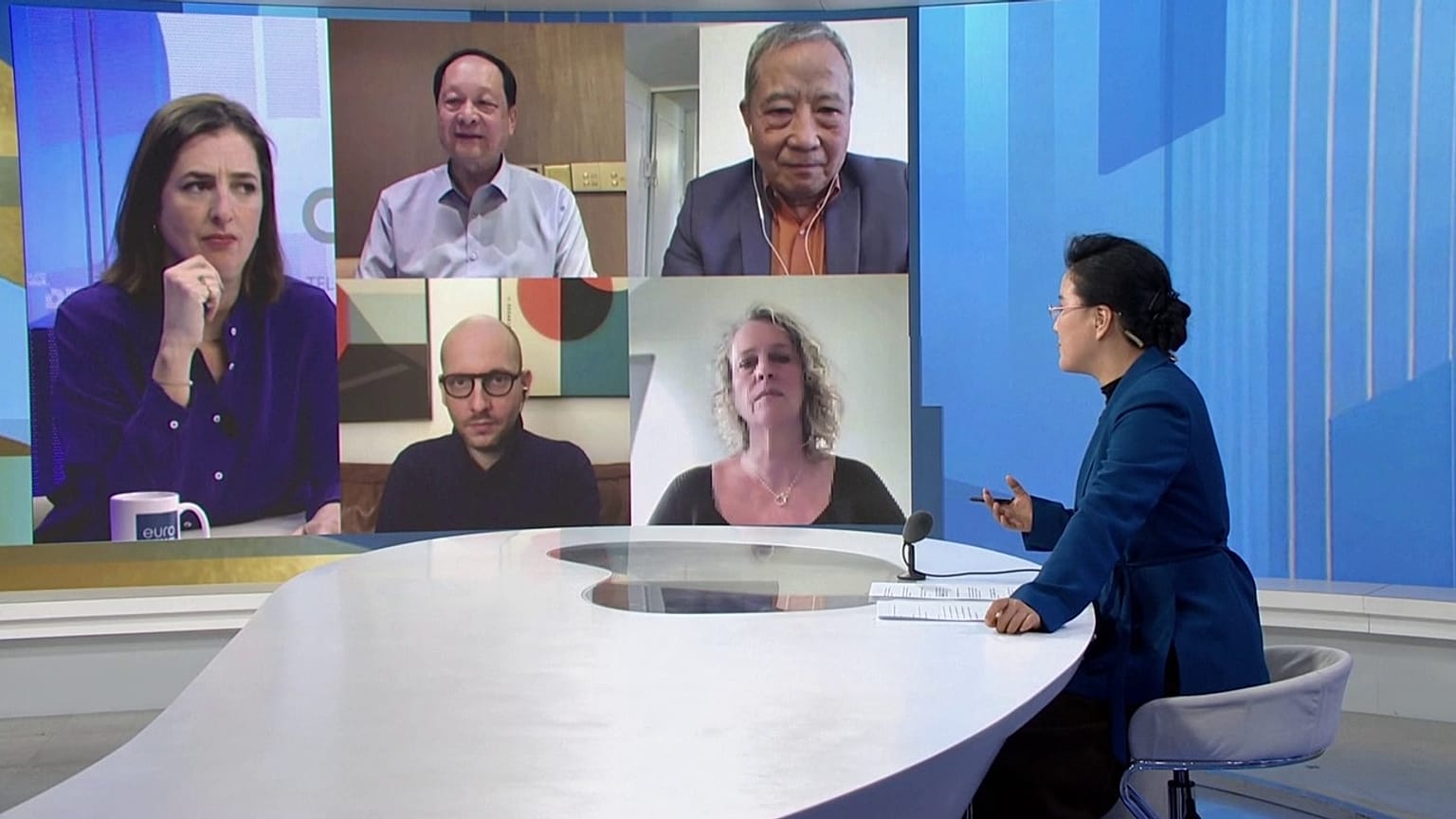
A recent debate co-produced by Euronews and CGTN brought together researchers, economists, and professionals from China and Europe to discuss the future of work in the age of artificial intelligence (AI). Participants highlighted divergent approaches to AI, emphasizing how each region is adapting to its rapid evolution.
In this latest edition of the Euronews Debates, experts from both sides expressed views on AI’s transformative role in the workforce. In China, the focus is on fostering rapid innovation and expanding the applications of AI technology. Conversely, Europe is adopting a more cautious approach, prioritizing the establishment of stringent legal frameworks aimed at managing the associated risks.
Despite these differing strategies, all participants acknowledged a common reality: AI is significantly altering job tasks and the skills required in the workplace. Notably, the consensus is that AI will not replace jobs but will necessitate new internal practices within companies and increased emphasis on employee training.
Addressing Training Needs and Risks
During the debate, experts underscored the urgent need for organizations to adapt. Companies are now facing the challenge of integrating AI into their operations while also ensuring that their workforce is adequately prepared for these changes. This includes not only technical training but also a shift in mindset regarding the capabilities that employees will need in an AI-driven environment.
Moreover, participants voiced concerns about the risks of misinformation associated with AI technologies. As AI systems become more prevalent, the potential for the spread of false information grows, which could have serious implications for public trust and safety.
Preparing the Next Generation
The discussion also highlighted the importance of equipping the younger generation with the skills necessary to thrive in a rapidly changing job market. Experts stressed that education systems need to adapt to ensure that students are prepared for the challenges and opportunities presented by AI.
As the debate concluded, the emphasis was clear: both Europe and China must navigate their distinct paths while recognizing the global implications of AI. The future of work will undoubtedly be shaped by these technologies, and proactive measures are essential to harness their potential responsibly.
This dialogue marks a significant step in fostering international collaboration and understanding regarding the implications of artificial intelligence on the workforce. The ongoing exchange of ideas between China and Europe may pave the way for innovative solutions that address the challenges posed by AI, ensuring a balanced approach to its integration in society.

Urgent Weather Alert: Dublin Faces Heavy Rain and Winds Today

Urgent: Luas Green Line Suspended Due to Power Outage Today

EU-Mercosur Trade Deal Faces Last-Minute Showdown Ahead of Signing

Asylum Applications Surge 40% in Ireland Amid Immigration Drop

EU Drugs Agency Director Warns of Growing Cocaine Crisis

RTE Announces Major Lotto Overhaul in Cost-Cutting Strategy

Jenny Erpenbeck’s Essays Explore Transience and Resilience

EU Drugs Agency Director Warns of Growing Drug Crisis

Vogue Williams Plans ‘Forever Home’ in Ireland to Embrace Roots

Tributes Surge for 9-Year-Old Leon Briody After Cancer Battle

Aimee Osbourne Joins Family for Emotional Tribute to Ozzy

Danny Healy-Rae Considers Complaint After Altercation with Garda

Ireland Enjoys Summer Heat as Hurricane Erin Approaches Atlantic

Hawaii Commemorates 80 Years Since Hiroshima Bombing with Ceremony

Newcastle West Woman Patricia Foley Found Safe After Urgent Search

Fianna Fáil TDs Urgently Consider Maire Geoghegan-Quinn for Presidency

Couple Convicted of Murdering Two-Year-Old Grandson in Wales

Gaza Aid Distribution Tragedy: 20 Killed Amid Ongoing Violence
-
 Top Stories3 months ago
Tributes Surge for 9-Year-Old Leon Briody After Cancer Battle
-
 Entertainment4 months ago
Aimee Osbourne Joins Family for Emotional Tribute to Ozzy
-
 Politics5 months ago
Danny Healy-Rae Considers Complaint After Altercation with Garda
-
 Top Stories4 months ago
Ireland Enjoys Summer Heat as Hurricane Erin Approaches Atlantic
-
 World5 months ago
Hawaii Commemorates 80 Years Since Hiroshima Bombing with Ceremony
-
 Top Stories3 months ago
Newcastle West Woman Patricia Foley Found Safe After Urgent Search
-
 Top Stories5 months ago
Fianna Fáil TDs Urgently Consider Maire Geoghegan-Quinn for Presidency
-
 World5 months ago
Couple Convicted of Murdering Two-Year-Old Grandson in Wales
-
 World5 months ago
Gaza Aid Distribution Tragedy: 20 Killed Amid Ongoing Violence
-

 World5 months ago
Aristocrat Constance Marten and Partner Convicted of Infant Murder
-

 Top Stories4 months ago
Climbing Errigal: A Must-Do Summer Adventure in Donegal
-

 Top Stories4 months ago
Hike Donegal’s Errigal Mountain NOW for Unforgettable Summer Views