
Top Stories
EU Drugs Agency Director Warns of Growing Cocaine Crisis

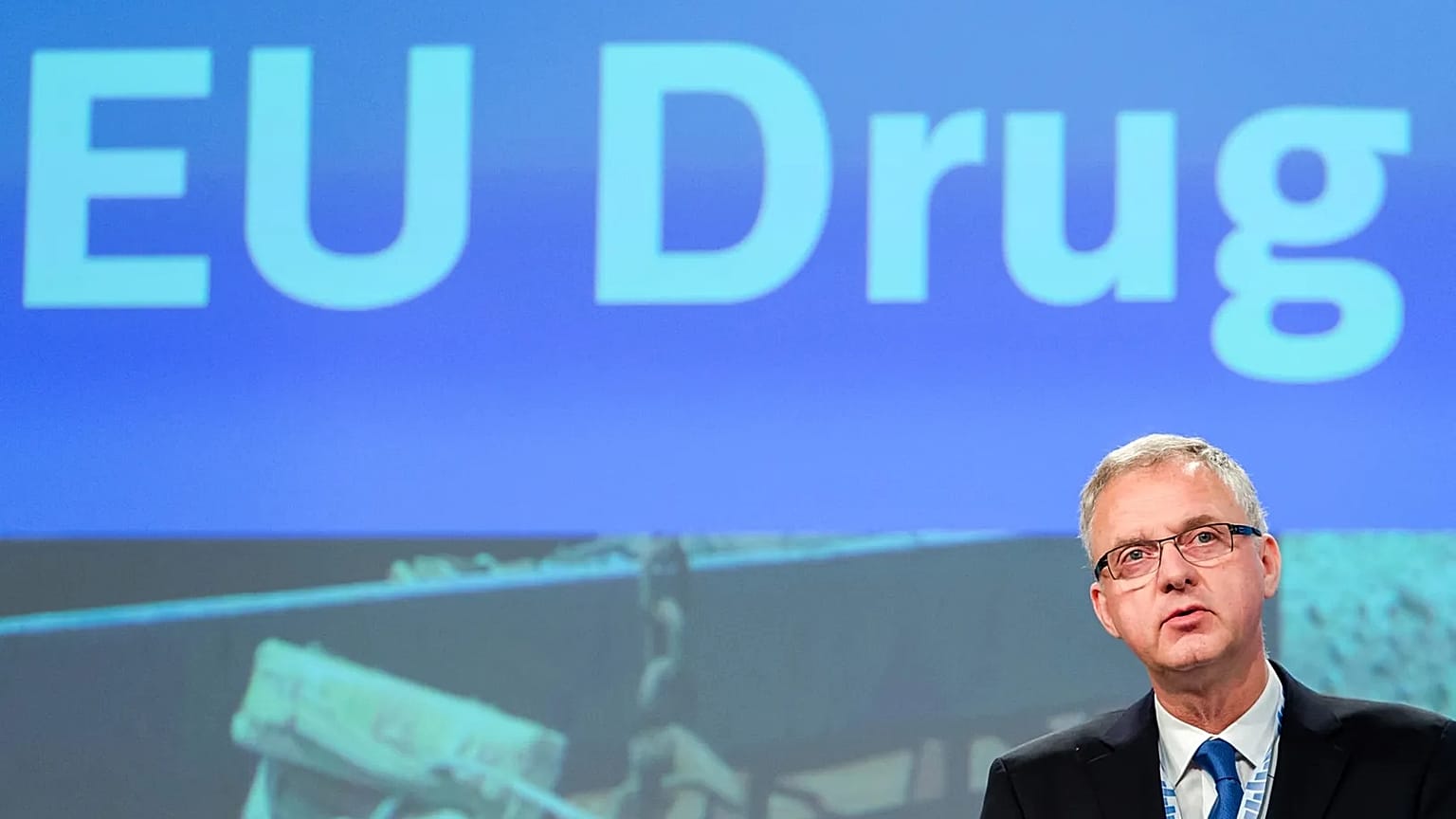
The director of the European Union Drugs Agency (EUDA), Alexis Goosdeel, will conclude his decade-long tenure at the end of this month. As he prepares to step down, he issues a grave warning about the pervasive nature of drug use in Europe. “Today, drugs are everywhere,” Goosdeel states, emphasizing that addictive behavior can affect anyone, either directly or indirectly.
Over the past ten years, Goosdeel has overseen European efforts to combat drug trafficking and promote public health initiatives. He notes significant transformations in the drugs market, with new substances emerging that appeal to a diverse range of consumers, from occasional users to those facing severe addiction issues and social marginalization.
Increasing Violence and Challenges in Drug Use
Goosdeel highlights a worrying trend: the rise in violence associated with drug trafficking. “In the last six or seven years, there has been a huge increase in drug market-related violence in most EU Member States,” he observes. This escalation contrasts sharply with the situation a decade ago, when discussions around drug-related violence primarily focused on regions like Central America.
While Goosdeel acknowledges that the EU has made strides in addressing heroin-related issues, he expresses concern about the escalating cocaine epidemic. “Where we are not ready at all is in the fight against the rise in cocaine use,” he warns. In 2023, EU Member States seized a record total of 419 tonnes of cocaine, marking the seventh consecutive year of increased seizures.
Spain reported its largest single cocaine seizure to date, with 13 tonnes discovered hidden in a shipment of bananas from Ecuador. Germany’s figures are equally alarming, with 43 tonnes of cocaine seized in 2023, including 25 tonnes at the port of Hamburg—double the amount from the previous year.
Calls for Enhanced Treatment and Response Strategies
Goosdeel urges public authorities to anticipate the future implications of rising cocaine use. He notes that it typically takes 10 to 12 years for individuals to seek help for cocaine addiction, often after unsuccessful initial attempts. He stresses the need for improved treatment protocols that match the efficacy of existing substitution therapies.
“We need to invest more in research and develop new approaches for treatment,” he states. This includes increasing the availability of medical professionals and social workers to meet the evolving challenges related to drug use.
Another critical issue Goosdeel identifies is the growing variety of substances available. He emphasizes that not all substances classified as drugs lead to criminal behavior. “We are not only talking about drugs, but also substances that people use to cope with increased anxiety or pressure to perform,” he explains.
The director advocates for a dual approach: combating drug trafficking while also safeguarding public health. “We need to act, but at the same time, how can we protect or reinvent our social model?” Goosdeel asks. His vision extends beyond merely fighting drugs; it encompasses the broader goal of enhancing community well-being and providing better opportunities for citizens.
As Goosdeel prepares to leave his position, the challenges he outlines will remain pressing for the EU and its member states. The need for a comprehensive, evolving response to the complex landscape of drug use is more critical than ever.

Santa Truck Brings Festive Cheer to Kilkenny’s Yulefest

Study Reveals Effective Method for Tapering Antidepressants

Leaders Collaborate for Peace in Ukraine Amid Diplomatic Efforts

Urgent Weather Alert: Dublin Faces Heavy Rain and Winds Today

Urgent: Luas Green Line Suspended Due to Power Outage Today

EU-Mercosur Trade Deal Faces Last-Minute Showdown Ahead of Signing

Asylum Applications Surge 40% in Ireland Amid Immigration Drop

EU Drugs Agency Director Warns of Growing Cocaine Crisis

RTE Announces Major Lotto Overhaul in Cost-Cutting Strategy

Tributes Surge for 9-Year-Old Leon Briody After Cancer Battle

Aimee Osbourne Joins Family for Emotional Tribute to Ozzy

Danny Healy-Rae Considers Complaint After Altercation with Garda

Ireland Enjoys Summer Heat as Hurricane Erin Approaches Atlantic

Hawaii Commemorates 80 Years Since Hiroshima Bombing with Ceremony

Newcastle West Woman Patricia Foley Found Safe After Urgent Search

Fianna Fáil TDs Urgently Consider Maire Geoghegan-Quinn for Presidency

Couple Convicted of Murdering Two-Year-Old Grandson in Wales

Gaza Aid Distribution Tragedy: 20 Killed Amid Ongoing Violence
-
 Top Stories3 months ago
Tributes Surge for 9-Year-Old Leon Briody After Cancer Battle
-
 Entertainment4 months ago
Aimee Osbourne Joins Family for Emotional Tribute to Ozzy
-
 Politics5 months ago
Danny Healy-Rae Considers Complaint After Altercation with Garda
-
 Top Stories4 months ago
Ireland Enjoys Summer Heat as Hurricane Erin Approaches Atlantic
-
 World5 months ago
Hawaii Commemorates 80 Years Since Hiroshima Bombing with Ceremony
-
 Top Stories3 months ago
Newcastle West Woman Patricia Foley Found Safe After Urgent Search
-
 Top Stories5 months ago
Fianna Fáil TDs Urgently Consider Maire Geoghegan-Quinn for Presidency
-
 World5 months ago
Couple Convicted of Murdering Two-Year-Old Grandson in Wales
-
 World5 months ago
Gaza Aid Distribution Tragedy: 20 Killed Amid Ongoing Violence
-

 World5 months ago
Aristocrat Constance Marten and Partner Convicted of Infant Murder
-

 Top Stories4 months ago
Climbing Errigal: A Must-Do Summer Adventure in Donegal
-

 Top Stories4 months ago
Hike Donegal’s Errigal Mountain NOW for Unforgettable Summer Views