
Politics
Russia Acknowledges Alignment with U.S. National Security Strategy

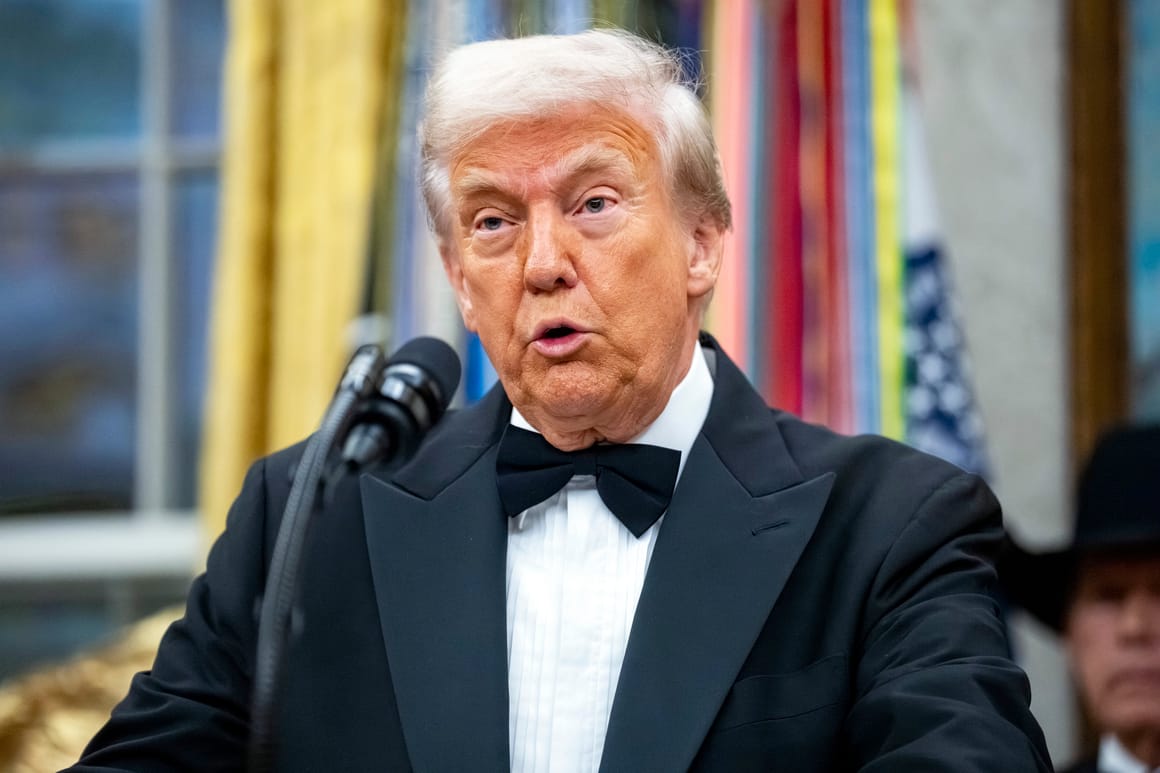
The Kremlin expressed approval of the United States’ new National Security Strategy (NSS) unveiled by President Donald Trump on December 4, 2023. Dmitriy Peskov, press secretary to Vladimir Putin, highlighted that the strategy aligns closely with Russia’s worldview, marking a significant development in the relationship between the two nations.
Peskov noted that the recent adjustments in U.S. policy reflect a shift that could foster cooperation on pressing issues like the ongoing conflict in Ukraine. “The adjustments we are seeing are largely consistent with our vision, and perhaps we can hope that this could be a modest guarantee that we will be able to constructively continue our joint work on finding a peaceful settlement in Ukraine,” he stated, as reported by local media.
The NSS outlines a dramatic reevaluation of U.S. foreign policy, indicating a move away from traditional interventions, particularly in Europe. It suggests a focus on the Western hemisphere, a pivot that Peskov finds noteworthy. Unlike previous strategies, the current document refrains from labeling Russia as an adversary, which Peskov described as a “gratifying” aspect of the plan.
Implications for NATO and European Relations
The strategy has raised questions about the reliability of some European allies within NATO, the military alliance established to counter the Soviet Union’s expansion post-World War II. The NSS casts doubt on the long-term commitment of certain European nations to the alliance, a point of contention that has historically stirred tensions in U.S.-Russia relations.
Peskov remarked on the potential for constructive dialogue, acknowledging the complexities of implementation. “While everything is conceptually beautifully written, what they call the deep state does things differently,” he cautioned, referencing the entrenched bureaucracies that may resist the changes proposed by Trump’s administration.
Critics across Europe have reacted sharply to the NSS. Valerie Hayer, head of the European Parliament’s centrist Renew grouping, labeled the document “unacceptable and dangerous.” Meanwhile, Johann Wadephul, Germany’s Foreign Minister, emphasized that Europe does not require “outside advice” but acknowledged the United States as “our most important ally” in NATO.
The implications of Trump’s strategic roadmap could impact ongoing negotiations regarding Ukraine’s potential NATO membership following the resolution of the conflict. The balance of influence within NATO and the broader geopolitical landscape remain critical issues for both sides.
As the U.S. navigates this new approach, the world watches closely to see if these developments lead to tangible changes in international relations, particularly concerning security and cooperation in Europe and beyond.

Mother Reveals Daughter’s Meningitis Seizure After Night Out

Major Oil Spill Disrupts Traffic in Donegal on March 16, 2026

Discovering Literature: The Joys of Rejoining a Public Library

Ted Season 2 Announced: Release Date & Trailer Updates Revealed

Research Ireland and UKRI Forge New Collaboration Agreement

David McGoldrick’s Impressive Scoring Streak Sparks World Cup Talk

Plane Crash Claims Lives of Publishing Heir, Pregnant Wife, and Pilot

Oscars Snub Brigitte Bardot Sparks Controversy Over In Memoriam

Meta Plans Major Layoffs to Offset Rising AI Investment Costs

Tributes Surge for 9-Year-Old Leon Briody After Cancer Battle

Aimee Osbourne Joins Family for Emotional Tribute to Ozzy

Danny Healy-Rae Considers Complaint After Altercation with Garda

Hawaii Commemorates 80 Years Since Hiroshima Bombing with Ceremony

Ireland Enjoys Summer Heat as Hurricane Erin Approaches Atlantic

Couple Convicted of Murdering Two-Year-Old Grandson in Wales

Gaza Aid Distribution Tragedy: 20 Killed Amid Ongoing Violence

Newcastle West Woman Patricia Foley Found Safe After Urgent Search

Fianna Fáil TDs Urgently Consider Maire Geoghegan-Quinn for Presidency
-
 Top Stories10 months ago
Tributes Surge for 9-Year-Old Leon Briody After Cancer Battle
-
 Entertainment12 months ago
Aimee Osbourne Joins Family for Emotional Tribute to Ozzy
-
 Politics12 months ago
Danny Healy-Rae Considers Complaint After Altercation with Garda
-
 World12 months ago
Hawaii Commemorates 80 Years Since Hiroshima Bombing with Ceremony
-
 Top Stories11 months ago
Ireland Enjoys Summer Heat as Hurricane Erin Approaches Atlantic
-
 World12 months ago
Couple Convicted of Murdering Two-Year-Old Grandson in Wales
-
 World12 months ago
Gaza Aid Distribution Tragedy: 20 Killed Amid Ongoing Violence
-
 Top Stories10 months ago
Newcastle West Woman Patricia Foley Found Safe After Urgent Search
-
 Top Stories12 months ago
Fianna Fáil TDs Urgently Consider Maire Geoghegan-Quinn for Presidency
-

 World12 months ago
Aristocrat Constance Marten and Partner Convicted of Infant Murder
-

 Top Stories11 months ago
Climbing Errigal: A Must-Do Summer Adventure in Donegal
-

 Top Stories11 months ago
Hike Donegal’s Errigal Mountain NOW for Unforgettable Summer Views