
Science
University of Limerick Research Enhances Youth Justice Practices

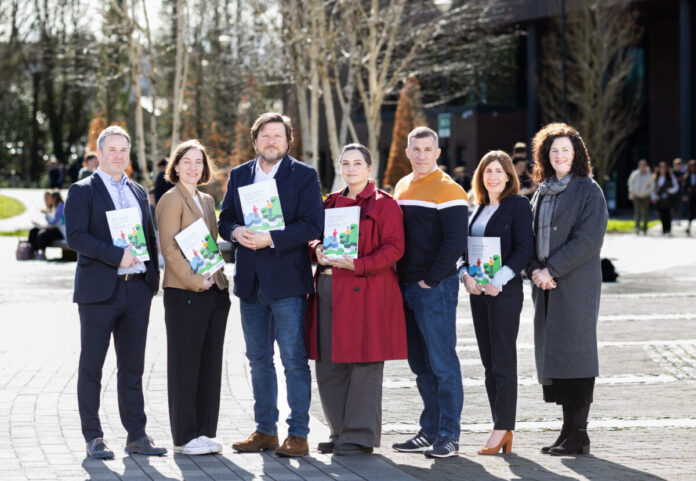
New research from the University of Limerick (UL) has revealed the importance of trust-based relationships between youth justice practitioners and young people in fostering positive change and reducing offending behavior. The study, conducted by the Research Evidence into Policy, Programmes, and Practice (REPPP) team within UL’s School of Law, focused on the dynamics of these relationships within Ireland’s Youth Diversion Projects (YDPs).
The findings highlight that effective professional relationships significantly contribute to key outcomes for young people. These outcomes include increased trust in adults and services, improved coping mechanisms, and enhanced confidence and self-worth. According to Dr. Seán Redmond, adjunct professor of Youth Justice and Director of REPPP at UL, these qualities are essential in guiding young individuals away from criminal behavior and toward more positive engagement with education, community services, and their surroundings.
“Relationships cannot change the world or the structural inequalities that many of our young people face, but they are agile, endlessly flexible and resilient to knocks and shocks,”
Dr. Redmond stated. He emphasized that such relationships can empower young people to navigate adversities, take advantage of new opportunities, and connect with supportive networks. He described these relationships as potentially transformational, urging continued investment in relationship-building strategies to impact young people’s offending behavior throughout Ireland.
Research Outcomes and Future Guidance
The study’s findings are detailed in the report titled Better Together: Developing Relational Practice to Effect Change in Young People’s Offending Behaviour. This report has already influenced the creation of national guidance for Youth Diversion Projects in Ireland. The REPPP Action Research Project, which spanned three years, involved collaboration with 16 YDPs across Ireland. This effort saw participation from 60 youth justice practitioners, managers, and members of the Gardaí, alongside 27 young individuals who shared their experiences with youth justice services.
As part of the initiative to implement the findings, REPPP will support the dissemination of guidance across the YDP network. This will include a series of webinars, events, and a new six-part podcast series set to launch in the coming months. The podcast will be hosted by James Leonard, known for his work on the acclaimed The Two Norries podcast, which focuses on recovery from addiction and imprisonment.
Significance of the Study
The research aims to bridge the knowledge gap in youth justice practices and provides practical, actionable guidance for practitioners. By focusing on the relational aspect of youth justice, the study underscores the essential role of building trust and rapport in fostering positive behavioral changes among young individuals.
In summary, the University of Limerick’s research offers valuable insights into how effective relationships can significantly impact young people involved in the justice system, advocating for a shift towards more supportive, relationship-based approaches in youth justice practices across Ireland.

Mother Reveals Daughter’s Meningitis Seizure After Night Out

Major Oil Spill Disrupts Traffic in Donegal on March 16, 2026

Discovering Literature: The Joys of Rejoining a Public Library

Ted Season 2 Announced: Release Date & Trailer Updates Revealed

Research Ireland and UKRI Forge New Collaboration Agreement

David McGoldrick’s Impressive Scoring Streak Sparks World Cup Talk

Plane Crash Claims Lives of Publishing Heir, Pregnant Wife, and Pilot

Oscars Snub Brigitte Bardot Sparks Controversy Over In Memoriam

Meta Plans Major Layoffs to Offset Rising AI Investment Costs

Tributes Surge for 9-Year-Old Leon Briody After Cancer Battle

Aimee Osbourne Joins Family for Emotional Tribute to Ozzy

Danny Healy-Rae Considers Complaint After Altercation with Garda

Hawaii Commemorates 80 Years Since Hiroshima Bombing with Ceremony

Ireland Enjoys Summer Heat as Hurricane Erin Approaches Atlantic

Couple Convicted of Murdering Two-Year-Old Grandson in Wales

Gaza Aid Distribution Tragedy: 20 Killed Amid Ongoing Violence

Newcastle West Woman Patricia Foley Found Safe After Urgent Search

Fianna Fáil TDs Urgently Consider Maire Geoghegan-Quinn for Presidency
-
 Top Stories11 months ago
Tributes Surge for 9-Year-Old Leon Briody After Cancer Battle
-
 Entertainment1 year ago
Aimee Osbourne Joins Family for Emotional Tribute to Ozzy
-
 Politics1 year ago
Danny Healy-Rae Considers Complaint After Altercation with Garda
-
 World1 year ago
Hawaii Commemorates 80 Years Since Hiroshima Bombing with Ceremony
-
 Top Stories12 months ago
Ireland Enjoys Summer Heat as Hurricane Erin Approaches Atlantic
-
 World1 year ago
Couple Convicted of Murdering Two-Year-Old Grandson in Wales
-
 World1 year ago
Gaza Aid Distribution Tragedy: 20 Killed Amid Ongoing Violence
-
 Top Stories11 months ago
Newcastle West Woman Patricia Foley Found Safe After Urgent Search
-
 Top Stories1 year ago
Fianna Fáil TDs Urgently Consider Maire Geoghegan-Quinn for Presidency
-

 World1 year ago
Aristocrat Constance Marten and Partner Convicted of Infant Murder
-

 Top Stories1 year ago
Climbing Errigal: A Must-Do Summer Adventure in Donegal
-

 Top Stories1 year ago
Hike Donegal’s Errigal Mountain NOW for Unforgettable Summer Views