
Politics
Belgian PM Urges Europe to Negotiate with Russia for Ukraine Peace

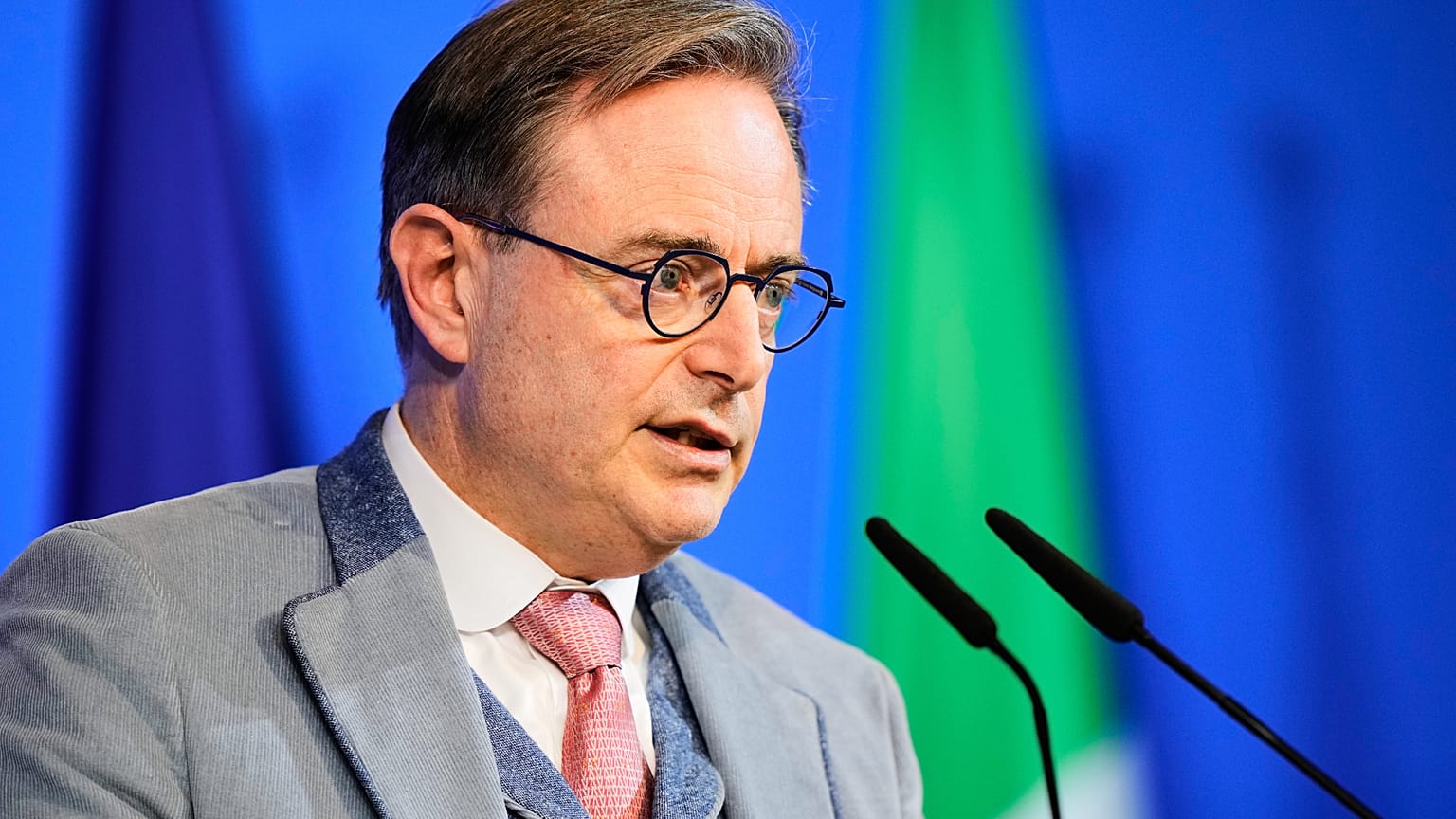
Belgian Prime Minister Bart De Wever has called for Europe to engage in negotiations with Russia to end the ongoing war in Ukraine. His remarks, published in the Belgian newspaper L’Echo, highlight a growing divide among EU leaders regarding the approach to Moscow. De Wever argues that a negotiated settlement is essential not only for peace but also for restoring access to affordable energy sources.
The European Union’s stance on negotiations remains fragmented. While leaders such as French President Emmanuel Macron, Italian Prime Minister Giorgia Meloni, and Hungarian Prime Minister Viktor Orbán have expressed support for direct talks with Russia, countries like Poland and the three Baltic states oppose such engagement. De Wever stated, “In private, European leaders agree with me, but no one dares to say it out loud. We must end the conflict in the interest of Europe, without being naïve towards Putin.”
He emphasized the importance of not repeating past mistakes in Europe’s relationship with Russia. De Wever urged for military preparedness, including rearmament and troop deployment along Eastern borders, while simultaneously advocating for the normalization of relations with Russia. He believes that restoring access to cheap energy is a matter of common sense.
The Prime Minister criticized the EU’s current strategy, which combines military support for Ukraine with economic pressure on Russia, arguing that it has become untenable without backing from the United States. “Given that we are unable to pressure Putin by sending weapons to Ukraine, and cannot suffocate his economy without US support, only one method remains: making a deal,” he stated.
In light of rising energy prices linked to the ongoing conflict in the Middle East, De Wever clarified that his government has no plans to introduce state subsidies to alleviate the financial burden on citizens. “I am not going to panic and throw billions out the window, as the previous government did,” he remarked.
Since the start of Russia’s full-scale invasion of Ukraine in 2022, the EU has been actively working to reduce its dependence on Russian energy imports. Plans are underway for a complete ban on Russian fossil fuel imports by next year. However, Hungary and Slovakia have resisted these measures, asserting that Russian energy supplies remain vital for their energy security.
Earlier this week, European leaders voiced criticism over former President Donald Trump‘s decision to lift sanctions on Russian oil at sea. This move, aimed at addressing price tensions in global energy markets due to the war in Iran, has been condemned by figures such as German Chancellor Friedrich Merz and European Council President António Costa, who warned of potential negative impacts on European security.
As the situation evolves, De Wever’s call for negotiations with Russia underscores a critical moment for European unity and strategy in addressing the ongoing crisis in Ukraine.

Mother Reveals Daughter’s Meningitis Seizure After Night Out

Major Oil Spill Disrupts Traffic in Donegal on March 16, 2026

Discovering Literature: The Joys of Rejoining a Public Library

Ted Season 2 Announced: Release Date & Trailer Updates Revealed

Research Ireland and UKRI Forge New Collaboration Agreement

David McGoldrick’s Impressive Scoring Streak Sparks World Cup Talk

Plane Crash Claims Lives of Publishing Heir, Pregnant Wife, and Pilot

Oscars Snub Brigitte Bardot Sparks Controversy Over In Memoriam

Meta Plans Major Layoffs to Offset Rising AI Investment Costs

Tributes Surge for 9-Year-Old Leon Briody After Cancer Battle

Aimee Osbourne Joins Family for Emotional Tribute to Ozzy

Danny Healy-Rae Considers Complaint After Altercation with Garda

Hawaii Commemorates 80 Years Since Hiroshima Bombing with Ceremony

Ireland Enjoys Summer Heat as Hurricane Erin Approaches Atlantic

Couple Convicted of Murdering Two-Year-Old Grandson in Wales

Gaza Aid Distribution Tragedy: 20 Killed Amid Ongoing Violence

Newcastle West Woman Patricia Foley Found Safe After Urgent Search

Fianna Fáil TDs Urgently Consider Maire Geoghegan-Quinn for Presidency
-
 Top Stories11 months ago
Tributes Surge for 9-Year-Old Leon Briody After Cancer Battle
-
 Entertainment1 year ago
Aimee Osbourne Joins Family for Emotional Tribute to Ozzy
-
 Politics1 year ago
Danny Healy-Rae Considers Complaint After Altercation with Garda
-
 World1 year ago
Hawaii Commemorates 80 Years Since Hiroshima Bombing with Ceremony
-
 Top Stories12 months ago
Ireland Enjoys Summer Heat as Hurricane Erin Approaches Atlantic
-
 World1 year ago
Couple Convicted of Murdering Two-Year-Old Grandson in Wales
-
 World1 year ago
Gaza Aid Distribution Tragedy: 20 Killed Amid Ongoing Violence
-
 Top Stories11 months ago
Newcastle West Woman Patricia Foley Found Safe After Urgent Search
-
 Top Stories1 year ago
Fianna Fáil TDs Urgently Consider Maire Geoghegan-Quinn for Presidency
-

 World1 year ago
Aristocrat Constance Marten and Partner Convicted of Infant Murder
-

 Top Stories12 months ago
Climbing Errigal: A Must-Do Summer Adventure in Donegal
-

 Top Stories12 months ago
Hike Donegal’s Errigal Mountain NOW for Unforgettable Summer Views