
Entertainment
Understanding the Feast of the Immaculate Conception: Myths Unveiled

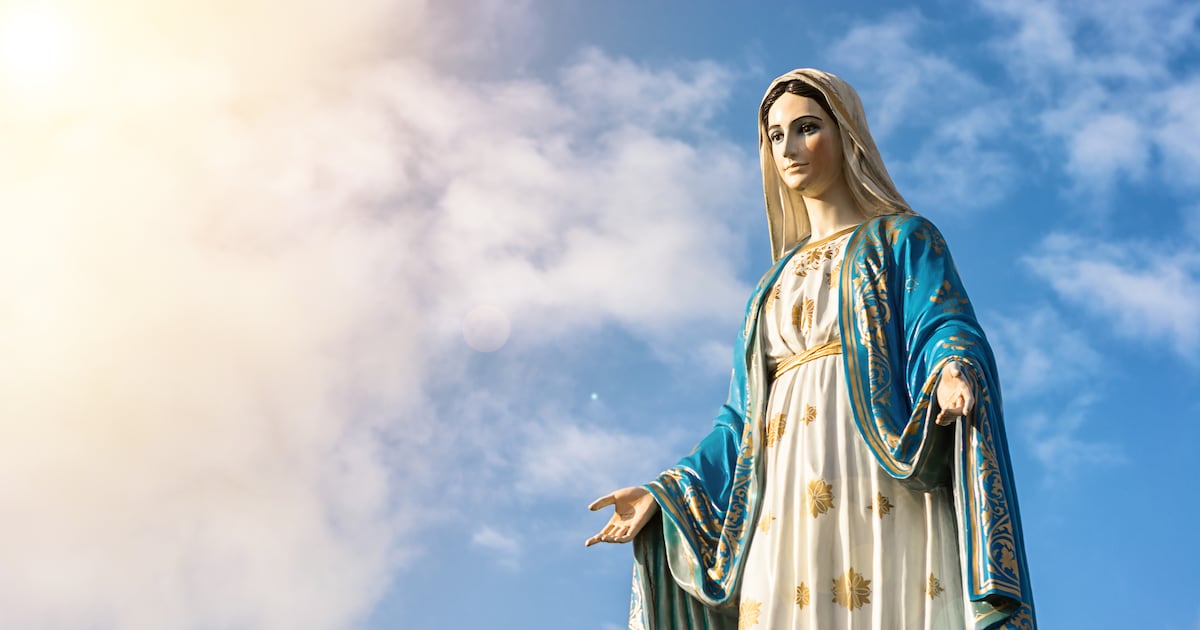
The Feast of the Immaculate Conception is celebrated today, December 8, but it is often misunderstood. Many people mistakenly believe that this feast commemorates the conception of Jesus Christ. In reality, it honors the belief that Mary, the mother of Jesus, was conceived free from original sin on this day, with her birth occurring later on September 8. This distinction is crucial within Catholic doctrine and highlights the unique role Mary plays in Christian theology.
The term “immaculate” derives from the Latin word “immaculatus,” meaning “unstained.” According to the teachings of the Catholic Church, Mary was conceived without the original sin that affects all humanity, a consequence of the fall of Adam and Eve. This belief posits that all humans are born with the stain of this sin, but Mary was an exception, chosen to bear the Son of God.
The theological reasoning behind this dogma stems from the understanding that Jesus, being divine, could not be born with sin. As time progressed, some theologians argued that if Jesus was to be free from original sin, it followed that Mary, who carried Him, must also be conceived without sin. The formal declaration of this belief came in 1854 when Pope Pius IX proclaimed the Immaculate Conception as a dogma of the Church, making it a binding teaching for all Catholics.
The significance of the Immaculate Conception expanded further following an event in 1858, when Bernadette Soubirous reported an apparition of Mary at Lourdes. During these visions, Mary identified herself as “the Immaculate Conception,” which many interpreted as divine confirmation of the Church’s teaching. This moment deepened the understanding of the dogma and its implications for the sanctity of human life.
Historically, the Catholic Church’s stance on when human life begins has evolved. Previously, the Church taught that life commenced at “ensoulment,” which was believed to occur during “quickening,” the point at which fetal movement could be felt, typically around 24 weeks of gestation. Before this teaching, the removal of a fetus prior to ensoulment was not considered homicide. However, in 1868, Pope Pius IX banned abortion at any stage of pregnancy, aligning this prohibition with the earlier proclamation of the Immaculate Conception.
The Feast of the Immaculate Conception thus serves not only as a celebration of Mary but also as a foundational moment in Catholic teaching regarding life and sin. It is a day that reflects deep theological beliefs and has significant implications for the Church’s stance on moral issues, particularly concerning the sanctity of life from the moment of conception.
As Catholics around the world observe this feast, it is essential to recognize its true meaning, distinguishing it from the conception of Jesus, which is celebrated on March 25, known as the Annunciation. Understanding these nuances enriches the appreciation of this important day in the Catholic calendar and underscores the complexities of its doctrines.

Mother Reveals Daughter’s Meningitis Seizure After Night Out

Major Oil Spill Disrupts Traffic in Donegal on March 16, 2026

Discovering Literature: The Joys of Rejoining a Public Library

Ted Season 2 Announced: Release Date & Trailer Updates Revealed

Research Ireland and UKRI Forge New Collaboration Agreement

David McGoldrick’s Impressive Scoring Streak Sparks World Cup Talk

Plane Crash Claims Lives of Publishing Heir, Pregnant Wife, and Pilot

Oscars Snub Brigitte Bardot Sparks Controversy Over In Memoriam

Meta Plans Major Layoffs to Offset Rising AI Investment Costs

Tributes Surge for 9-Year-Old Leon Briody After Cancer Battle

Aimee Osbourne Joins Family for Emotional Tribute to Ozzy

Danny Healy-Rae Considers Complaint After Altercation with Garda

Hawaii Commemorates 80 Years Since Hiroshima Bombing with Ceremony

Ireland Enjoys Summer Heat as Hurricane Erin Approaches Atlantic

Couple Convicted of Murdering Two-Year-Old Grandson in Wales

Gaza Aid Distribution Tragedy: 20 Killed Amid Ongoing Violence

Newcastle West Woman Patricia Foley Found Safe After Urgent Search

Fianna Fáil TDs Urgently Consider Maire Geoghegan-Quinn for Presidency
-
 Top Stories12 months ago
Tributes Surge for 9-Year-Old Leon Briody After Cancer Battle
-
 Entertainment1 year ago
Aimee Osbourne Joins Family for Emotional Tribute to Ozzy
-
 Politics1 year ago
Danny Healy-Rae Considers Complaint After Altercation with Garda
-
 World1 year ago
Hawaii Commemorates 80 Years Since Hiroshima Bombing with Ceremony
-
 Top Stories1 year ago
Ireland Enjoys Summer Heat as Hurricane Erin Approaches Atlantic
-
 World1 year ago
Couple Convicted of Murdering Two-Year-Old Grandson in Wales
-
 World1 year ago
Gaza Aid Distribution Tragedy: 20 Killed Amid Ongoing Violence
-
 Top Stories11 months ago
Newcastle West Woman Patricia Foley Found Safe After Urgent Search
-
 Top Stories1 year ago
Fianna Fáil TDs Urgently Consider Maire Geoghegan-Quinn for Presidency
-

 World1 year ago
Aristocrat Constance Marten and Partner Convicted of Infant Murder
-

 Top Stories1 year ago
Climbing Errigal: A Must-Do Summer Adventure in Donegal
-

 Top Stories1 year ago
Hike Donegal’s Errigal Mountain NOW for Unforgettable Summer Views