
Business
Ireland Loses €1.3 Million Daily in Wasted Wind Energy

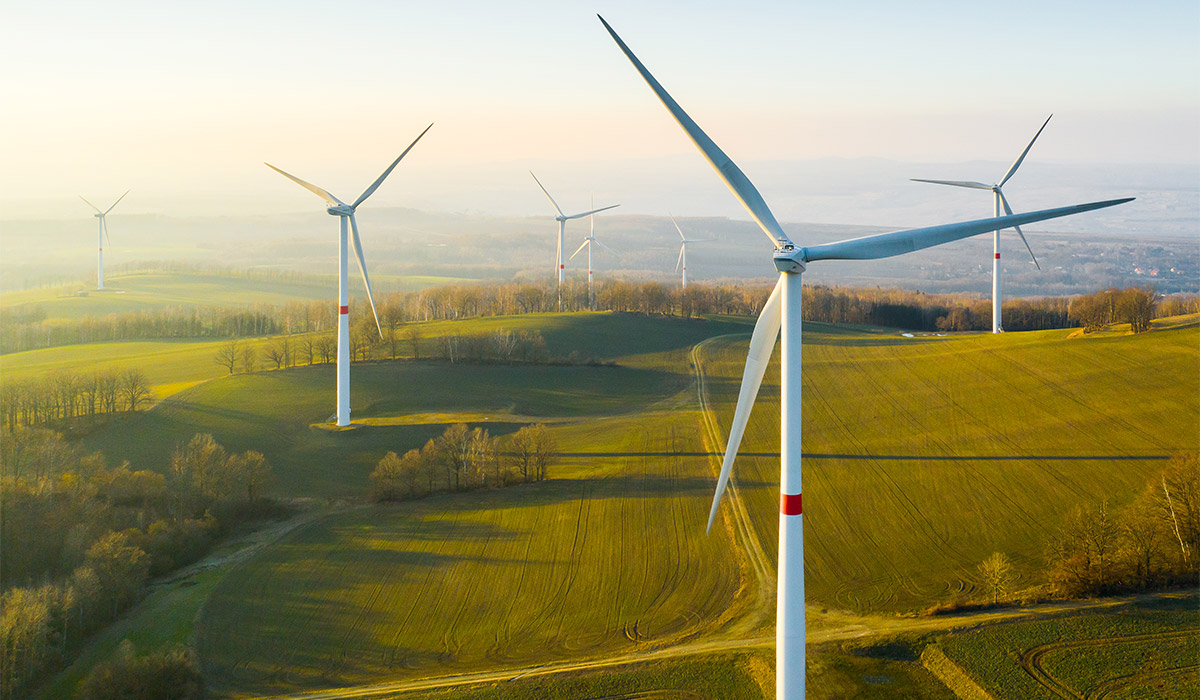
Ireland is facing significant economic losses due to the underutilization of wind energy, with an average of €1.3 million worth of wind energy wasted every day since the beginning of 2025. This information was presented to politicians during a recent session of the Oireachtas Energy Committee, highlighting a pressing issue in the country’s renewable energy strategy.
The situation stems from directives issued by Eirgrid, the organization responsible for managing the electricity grid, which instruct wind farm operators to “dispatch down” their energy production when the grid cannot accommodate the output. As a result, energy that could be generated and utilized is instead left untapped, leading to substantial financial repercussions for the government, which is obligated to pay for the energy produced.
According to data analyzed by the not-for-profit group EnergyCloud, approximately 1,169 gigawatts of energy went unused during the ten months leading up to October 31, 2025, amounting to a staggering €414 million in lost potential revenue. This surplus energy could have heated around 390 million tanks of hot water, underscoring the scale of the waste and its implications for energy management in Ireland.
During the committee hearing, Alan Wyley, CEO of EnergyCloud, emphasized that the government should consider implementing a “social tariff” to allow families in energy poverty to access this surplus energy at no additional cost during periods of low demand, particularly between 11 PM and 8 AM. Wyley argued that this wasted energy represents a missed opportunity to alleviate energy poverty while simultaneously making effective use of resources that the government has already paid for.
The scale of the waste is alarming. Since 2017, over €2.5 billion worth of wind energy has been wasted, with annual losses escalating from €50 million in 2017 to an expected €600 million in 2025. Wyley projected that, if current trends continue, the total waste could exceed €3 billion over the course of the current government’s tenure.
The challenge of wasted energy stems from the grid’s inability to handle the peaks in renewable energy generation. According to the guidelines provided by Eirgrid, when wind farms receive a dispatch down instruction, they must either turn their turbines away from the wind or completely shut down, often resulting in significant amounts of renewable energy being lost.
Wyley pointed out that approximately 11% of wind energy is wasted, which is significantly higher than the 5% waste rate observed for solar energy. He called for immediate action, suggesting that the government could leverage its authority to create a structured approach to utilizing this excess energy, particularly during off-peak hours.
The issue of wasted energy is not merely an economic concern but also a moral one, as highlighted by Cathal Lee, co-founder of EnergyCloud. He noted that the lack of accountability for this waste contributes to the ongoing energy crisis, as no single entity is responsible for addressing the issue. Lee urged lawmakers to take responsibility and establish clear accountability for managing surplus energy.
The Department of Climate, Energy and the Environment has initiated an Energy Affordability Taskforce to investigate the causes of rising energy costs and propose structural changes. However, this task force is not expected to deliver its findings until July 2025, prompting Wyley to advocate for immediate action on the surplus energy issue in parallel with the task force’s work.
A spokesperson for the department acknowledged the impact of high energy costs on households and emphasized the government’s commitment to a renewables-led energy system backed by robust investment in the electricity network.
Eirgrid has stated that the grid sometimes cannot accommodate all the energy produced by wind generators, leading to instructions for reduced output. This situation is exacerbated by limitations in transmission capacity and the inherent variability of renewable energy sources.
As Ireland grapples with these challenges, the call for a strategic shift in energy management becomes increasingly urgent. The potential for renewable energy to contribute positively to both the economy and society is evident, but it requires decisive leadership and policy changes to unlock its full benefits.

Mother Reveals Daughter’s Meningitis Seizure After Night Out

Major Oil Spill Disrupts Traffic in Donegal on March 16, 2026

Discovering Literature: The Joys of Rejoining a Public Library

Ted Season 2 Announced: Release Date & Trailer Updates Revealed

Research Ireland and UKRI Forge New Collaboration Agreement

David McGoldrick’s Impressive Scoring Streak Sparks World Cup Talk

Plane Crash Claims Lives of Publishing Heir, Pregnant Wife, and Pilot

Oscars Snub Brigitte Bardot Sparks Controversy Over In Memoriam

Meta Plans Major Layoffs to Offset Rising AI Investment Costs

Tributes Surge for 9-Year-Old Leon Briody After Cancer Battle

Aimee Osbourne Joins Family for Emotional Tribute to Ozzy

Danny Healy-Rae Considers Complaint After Altercation with Garda

Hawaii Commemorates 80 Years Since Hiroshima Bombing with Ceremony

Ireland Enjoys Summer Heat as Hurricane Erin Approaches Atlantic

Couple Convicted of Murdering Two-Year-Old Grandson in Wales

Gaza Aid Distribution Tragedy: 20 Killed Amid Ongoing Violence

Newcastle West Woman Patricia Foley Found Safe After Urgent Search

Fianna Fáil TDs Urgently Consider Maire Geoghegan-Quinn for Presidency
-
 Top Stories12 months ago
Tributes Surge for 9-Year-Old Leon Briody After Cancer Battle
-
 Entertainment1 year ago
Aimee Osbourne Joins Family for Emotional Tribute to Ozzy
-
 Politics1 year ago
Danny Healy-Rae Considers Complaint After Altercation with Garda
-
 World1 year ago
Hawaii Commemorates 80 Years Since Hiroshima Bombing with Ceremony
-
 Top Stories1 year ago
Ireland Enjoys Summer Heat as Hurricane Erin Approaches Atlantic
-
 World1 year ago
Couple Convicted of Murdering Two-Year-Old Grandson in Wales
-
 World1 year ago
Gaza Aid Distribution Tragedy: 20 Killed Amid Ongoing Violence
-
 Top Stories12 months ago
Newcastle West Woman Patricia Foley Found Safe After Urgent Search
-
 Top Stories1 year ago
Fianna Fáil TDs Urgently Consider Maire Geoghegan-Quinn for Presidency
-

 World1 year ago
Aristocrat Constance Marten and Partner Convicted of Infant Murder
-

 Top Stories1 year ago
Climbing Errigal: A Must-Do Summer Adventure in Donegal
-

 Top Stories1 year ago
Hike Donegal’s Errigal Mountain NOW for Unforgettable Summer Views