
Business
EU Energy Ministers Aim to Harmonize Prices Amid Disparities

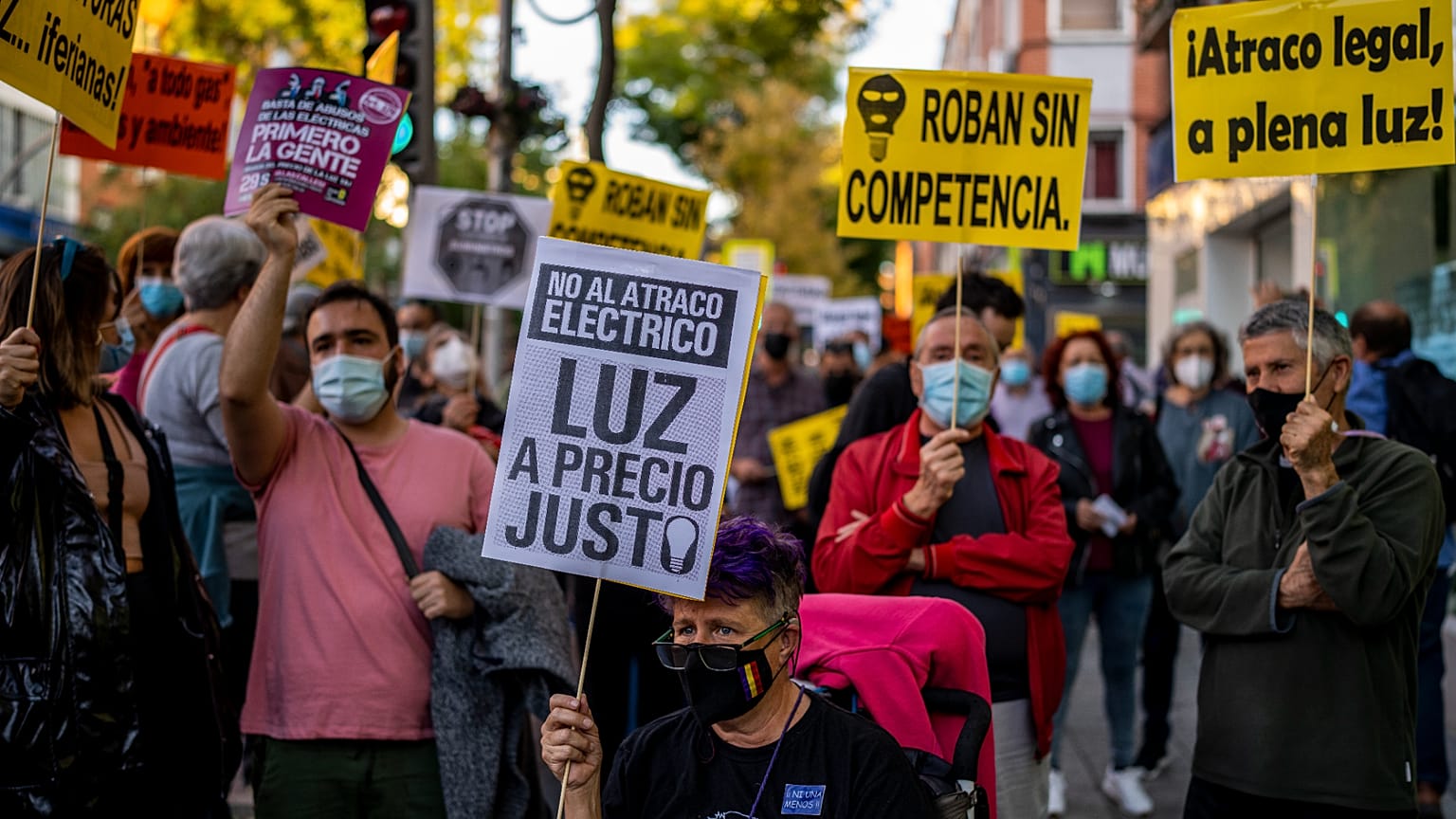
Energy ministers from the European Union are set to address significant discrepancies in energy prices among member states. High energy taxes and additional charges from energy producers contribute to these disparities, with some countries paying up to seven times more than others. The recent surge in energy prices, exacerbated by Russia’s invasion of Ukraine, has intensified the urgency for a more integrated energy market within the EU.
Data from the European Commission highlights that energy prices in the EU have risen dramatically since the onset of the conflict. For instance, the Czech Republic, Denmark, Lithuania, and Romania have experienced an average increase of approximately 87%, while gas bills in Belgium have nearly doubled. In contrast, nations such as Portugal and Spain, which rely heavily on renewable energy sources, have managed the price spike more effectively, as have countries like France that incorporate significant nuclear power.
The disparity in electricity costs is stark. Households in Germany face electricity prices that are four times higher than those in Hungary, while the three countries with the highest costs—Germany, Belgium, and Denmark—contrast sharply with Hungary, Bulgaria, and Malta, which enjoy the lowest energy prices.
Addressing Energy Price Inequities
Natural gas pricing shows even greater variation across the EU, with Sweden, the Netherlands, and Denmark facing the highest costs, while Hungary, Croatia, and Romania report the lowest. The gap between Sweden and Hungary can be as much as seven times. Energy Commissioner Dan Jørgensen emphasized the need for a dual approach: “We need to decarbonise our energy while getting the energy prices down at the same time.”
As the EU moves forward, the Cypriot Minister for Energy, Commerce, and Industry, Michael Damianos, described the recently proposed EU grids package as “essential” for reducing energy prices across the bloc. He noted, “It is vital to lower energy prices for our people and we do believe that this is central to competitiveness.”
A recent analysis from the Institute of Security Studies advocates for the EU to double its efforts in electrifying the economy and boosting local energy generation, positing this as a crucial strategy against Russian influence in the energy sector.
Challenges Ahead for Energy Ministers
Ministers are now tasked with implementing directives outlined by the European Commission, which has identified several barriers to a unified energy market. Issues such as inefficient grid interconnections, slow permitting processes, fragmented national planning, and uneven investment have been flagged as significant challenges. A leaked document obtained by Euronews outlines these concerns and underscores the complexity of achieving stable energy prices across member states.
Energy policy falls under national jurisdiction, which complicates collaborative efforts. EU lawmakers are preparing to revisit discussions on revising the electricity market design law in response to the Commission’s recent omnibus proposal aimed at streamlining environmental regulations. The focus will also be on accelerating permitting processes for renewable projects to increase the clean energy share in the grid.
To tackle pricing disparities, the Commission has proposed actions at the national level, including efficient network charges and anticipatory grid investments. Additionally, the introduction of two-way contracts for difference has gained traction as a financial mechanism intended to stabilize revenues for renewable and nuclear energy investments.
Notably, the Commission recently approved the construction and operation of the first nuclear power plant in Poland, which will operate under these two-way contracts for difference. This arrangement is designed to provide steady revenue for the plant over a lifespan of 40 years. Under this contract, if market prices fall below a predetermined strike price, the Polish state will compensate the energy producer. Conversely, if prices exceed this threshold, the producer will remit the difference back to the Polish state.
As EU energy ministers prepare to confront these pressing issues, the focus remains on creating a more equitable energy market that benefits all member states while ensuring sustainability and competitiveness in the face of ongoing challenges.

Mother Reveals Daughter’s Meningitis Seizure After Night Out

Major Oil Spill Disrupts Traffic in Donegal on March 16, 2026

Discovering Literature: The Joys of Rejoining a Public Library

Ted Season 2 Announced: Release Date & Trailer Updates Revealed

Research Ireland and UKRI Forge New Collaboration Agreement

David McGoldrick’s Impressive Scoring Streak Sparks World Cup Talk

Plane Crash Claims Lives of Publishing Heir, Pregnant Wife, and Pilot

Oscars Snub Brigitte Bardot Sparks Controversy Over In Memoriam

Meta Plans Major Layoffs to Offset Rising AI Investment Costs

Tributes Surge for 9-Year-Old Leon Briody After Cancer Battle

Aimee Osbourne Joins Family for Emotional Tribute to Ozzy

Danny Healy-Rae Considers Complaint After Altercation with Garda

Hawaii Commemorates 80 Years Since Hiroshima Bombing with Ceremony

Ireland Enjoys Summer Heat as Hurricane Erin Approaches Atlantic

Couple Convicted of Murdering Two-Year-Old Grandson in Wales

Gaza Aid Distribution Tragedy: 20 Killed Amid Ongoing Violence

Newcastle West Woman Patricia Foley Found Safe After Urgent Search

Fianna Fáil TDs Urgently Consider Maire Geoghegan-Quinn for Presidency
-
 Top Stories12 months ago
Tributes Surge for 9-Year-Old Leon Briody After Cancer Battle
-
 Entertainment1 year ago
Aimee Osbourne Joins Family for Emotional Tribute to Ozzy
-
 Politics1 year ago
Danny Healy-Rae Considers Complaint After Altercation with Garda
-
 World1 year ago
Hawaii Commemorates 80 Years Since Hiroshima Bombing with Ceremony
-
 Top Stories1 year ago
Ireland Enjoys Summer Heat as Hurricane Erin Approaches Atlantic
-
 World1 year ago
Couple Convicted of Murdering Two-Year-Old Grandson in Wales
-
 World1 year ago
Gaza Aid Distribution Tragedy: 20 Killed Amid Ongoing Violence
-
 Top Stories11 months ago
Newcastle West Woman Patricia Foley Found Safe After Urgent Search
-
 Top Stories1 year ago
Fianna Fáil TDs Urgently Consider Maire Geoghegan-Quinn for Presidency
-

 World1 year ago
Aristocrat Constance Marten and Partner Convicted of Infant Murder
-

 Top Stories1 year ago
Climbing Errigal: A Must-Do Summer Adventure in Donegal
-

 Top Stories1 year ago
Hike Donegal’s Errigal Mountain NOW for Unforgettable Summer Views