
Politics
EU Faces Critical Decision on Seizing Frozen Russian Assets

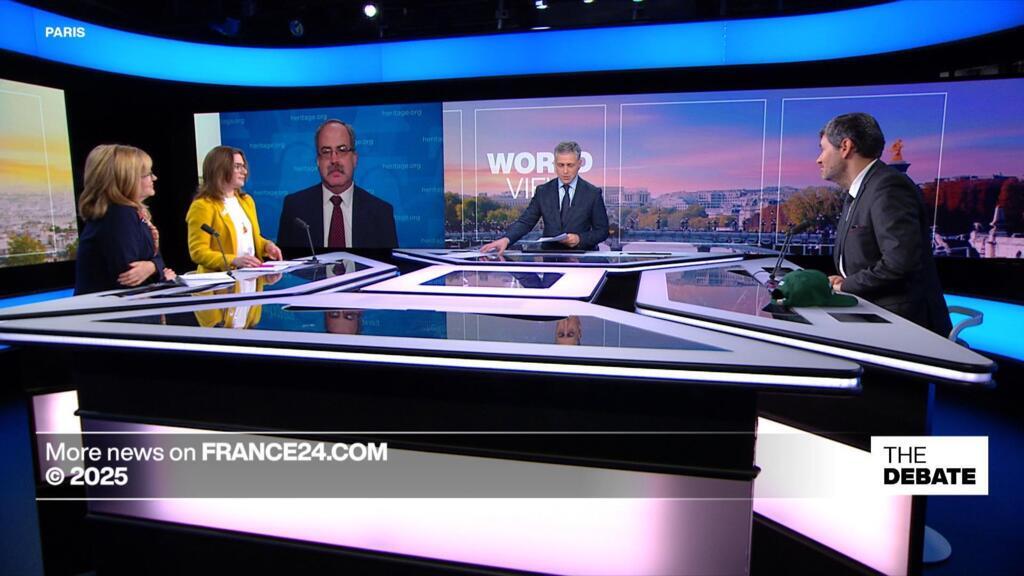
The European Union (EU) is poised to make a decisive choice regarding the future of frozen Russian assets during an upcoming summit in Brussels. This meeting is being described by some as potentially the most significant EU summit since the financial crisis of 2008. With Ukraine’s government facing a financial crisis that could lead to bankruptcy by the end of spring 2024, the stakes are exceptionally high.
Ukraine relies heavily on international support to stabilize its economy amidst ongoing conflict. According to the European Commission, the Ukrainian government may exhaust its financial reserves by late May 2024, underscoring the urgency of the situation. The EU is considering whether to unlock approximately €300 billion in Russian assets that have been frozen since the start of the invasion of Ukraine, a move that could provide critical financial assistance to Ukraine.
Potential Economic Impact on Ukraine
The situation in Ukraine has reached a critical juncture. As the war continues, the economic repercussions are becoming increasingly severe. Reports indicate that the Ukrainian government is struggling to meet its financial obligations, with budget deficits projected to widen significantly in the coming months. The unlocking of these assets could facilitate essential services and humanitarian aid, alleviating some of the pressure on the Ukrainian economy.
This summit will bring together leaders from EU member states, where discussions will focus on the legal and logistical aspects of seizing these assets. The decision will not only impact Ukraine but also set a precedent for how the EU handles similar situations in the future. The potential for backlash from Russia adds another layer of complexity, as the Kremlin has warned that any such actions would be met with serious consequences.
Legal and Diplomatic Considerations
Legal experts have noted that the seizure of foreign assets typically involves complex legal frameworks and international law considerations. The EU must navigate these intricacies carefully to avoid potential legal disputes. Furthermore, the EU’s relationship with Russia will be scrutinized closely as member states weigh the political ramifications of their decision.
In past discussions, some member states have expressed reservations about the implications of confiscating assets, fearing it could lead to retaliatory measures from Russia. Others argue that the moral obligation to support Ukraine outweighs potential diplomatic fallout. The debate reflects broader tensions within the EU regarding its role in the conflict and the balance between solidarity with Ukraine and maintaining diplomatic channels with Russia.
As the summit approaches, member states are preparing for a thorough examination of the potential financial benefits against the risks involved. The outcome of this summit could redefine the EU’s approach to foreign asset management in conflict situations, setting a significant precedent for future actions.
With Ukraine’s financial stability hanging in the balance, the EU’s decision in Brussels will be closely watched by international observers. The outcome will likely influence not only the immediate future of Ukraine but also the broader geopolitical landscape in Europe as the region grapples with the ongoing implications of the war.

Mother Reveals Daughter’s Meningitis Seizure After Night Out

Major Oil Spill Disrupts Traffic in Donegal on March 16, 2026

Discovering Literature: The Joys of Rejoining a Public Library

Ted Season 2 Announced: Release Date & Trailer Updates Revealed

Research Ireland and UKRI Forge New Collaboration Agreement

David McGoldrick’s Impressive Scoring Streak Sparks World Cup Talk

Plane Crash Claims Lives of Publishing Heir, Pregnant Wife, and Pilot

Oscars Snub Brigitte Bardot Sparks Controversy Over In Memoriam

Meta Plans Major Layoffs to Offset Rising AI Investment Costs

Tributes Surge for 9-Year-Old Leon Briody After Cancer Battle

Aimee Osbourne Joins Family for Emotional Tribute to Ozzy

Danny Healy-Rae Considers Complaint After Altercation with Garda

Hawaii Commemorates 80 Years Since Hiroshima Bombing with Ceremony

Ireland Enjoys Summer Heat as Hurricane Erin Approaches Atlantic

Couple Convicted of Murdering Two-Year-Old Grandson in Wales

Gaza Aid Distribution Tragedy: 20 Killed Amid Ongoing Violence

Newcastle West Woman Patricia Foley Found Safe After Urgent Search

Fianna Fáil TDs Urgently Consider Maire Geoghegan-Quinn for Presidency
-
 Top Stories10 months ago
Tributes Surge for 9-Year-Old Leon Briody After Cancer Battle
-
 Entertainment12 months ago
Aimee Osbourne Joins Family for Emotional Tribute to Ozzy
-
 Politics12 months ago
Danny Healy-Rae Considers Complaint After Altercation with Garda
-
 World12 months ago
Hawaii Commemorates 80 Years Since Hiroshima Bombing with Ceremony
-
 Top Stories11 months ago
Ireland Enjoys Summer Heat as Hurricane Erin Approaches Atlantic
-
 World12 months ago
Couple Convicted of Murdering Two-Year-Old Grandson in Wales
-
 World12 months ago
Gaza Aid Distribution Tragedy: 20 Killed Amid Ongoing Violence
-
 Top Stories10 months ago
Newcastle West Woman Patricia Foley Found Safe After Urgent Search
-
 Top Stories12 months ago
Fianna Fáil TDs Urgently Consider Maire Geoghegan-Quinn for Presidency
-

 World12 months ago
Aristocrat Constance Marten and Partner Convicted of Infant Murder
-

 Top Stories11 months ago
Climbing Errigal: A Must-Do Summer Adventure in Donegal
-

 Top Stories11 months ago
Hike Donegal’s Errigal Mountain NOW for Unforgettable Summer Views