
Health
Swedish Study Links Full-Fat Dairy to Lower Dementia Risk

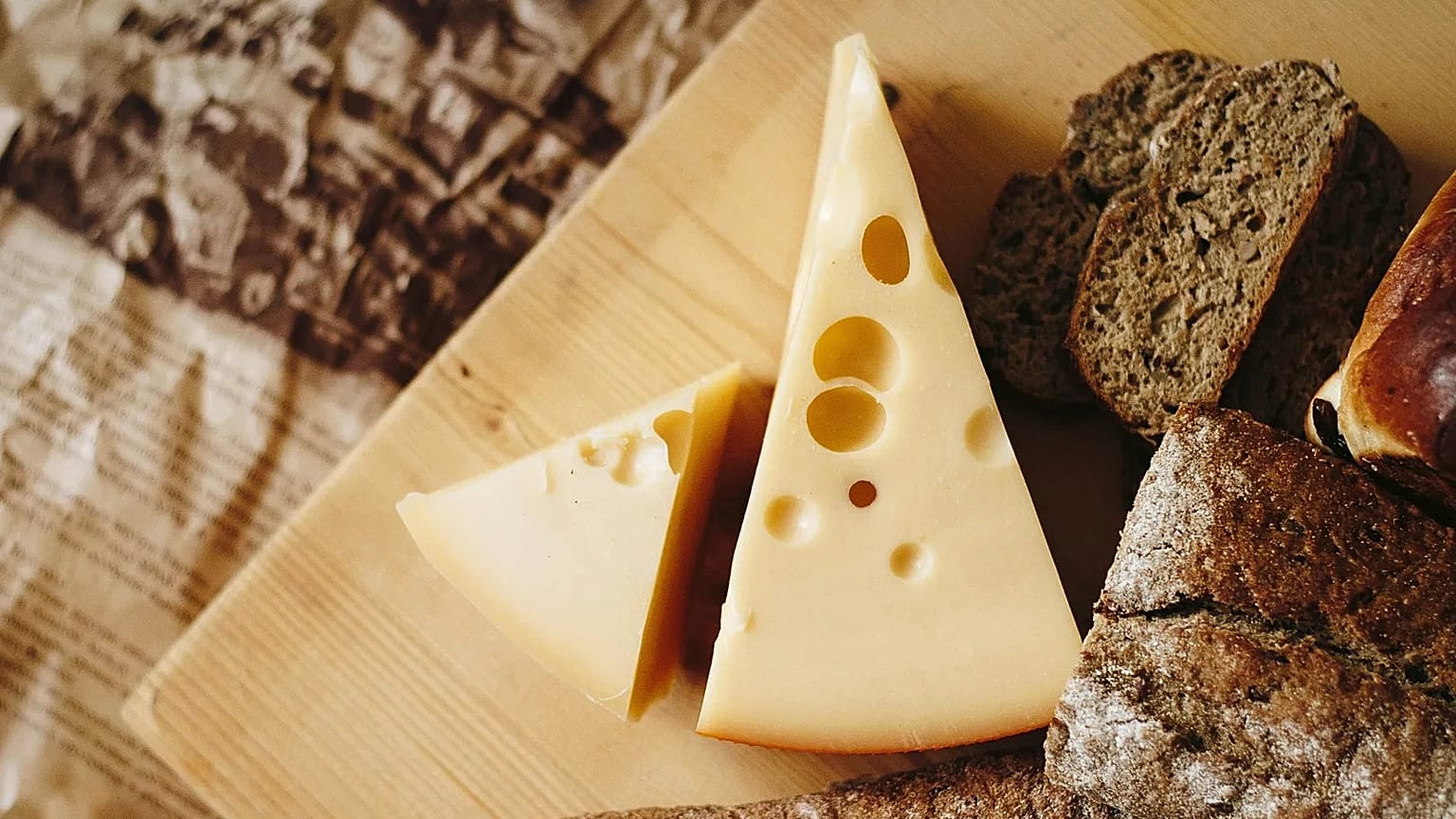
A long-term study from Sweden has revealed a potential link between the consumption of full-fat dairy products, specifically cheese and cream, and a lower risk of developing dementia. Research published in the journal Neurology indicates that individuals who consume at least two slices of high-fat cheese daily may experience a 13 percent reduced risk of dementia, and a 29 percent lower risk of vascular dementia.
The study monitored 27,670 adults in Sweden, who had an average age of 58 at the outset. Over a period of approximately 25 years, participants were assessed for dietary habits and tracked for dementia diagnoses. By the end of the study, 3,208 participants were diagnosed with dementia.
Participants reported their food intake over a week and completed detailed questionnaires regarding their dietary practices in previous years. According to the findings, those who consumed at least 50 grams of high-fat cheese daily—approximately two slices of cheddar—had a significantly lower likelihood of developing dementia than those who consumed less than 15 grams. High-fat cheeses were defined as those containing more than 20 percent fat, while high-fat creams typically ranged from 30 to 40 percent fat.
Key Findings and Implications
The results of the study show that increased cheese consumption correlates with a 13 percent reduction in overall dementia risk. Emily Sonestedt, a nutrition epidemiologist at Lund University and the study’s lead author, stated, “When we went on to look at specific types of dementia, we found that there was a 29 percent lower risk of vascular dementia in people who ate more full-fat cheese.” Interestingly, a lower risk of Alzheimer’s disease was also observed, but only among participants who did not carry the APOE e4 gene variant, a known genetic risk factor for the disease.
Additionally, daily consumption of high-fat cream was associated with a 16 percent lower risk of dementia among those who consumed at least 20 grams per day, which equates to about one to two tablespoons.
Despite these promising findings, the benefits did not extend to all dairy products. Sonestedt noted, “Although higher-fat cheese and cream were associated with a reduced risk of dementia, other dairy products and low-fat alternatives did not show the same effect. Therefore, not all dairy products are equal when it comes to brain health.”
Expert Opinions and Limitations
While the study presents intriguing results, experts caution against assuming a direct causal relationship between high-fat dairy intake and reduced dementia risk. Dr. Richard Oakley from the Alzheimer’s Society emphasized that lifestyle factors, such as physical activity, a balanced diet, and smoking cessation, play a more substantial role in mitigating dementia risk. He stated, “This research does not show that eating more high-fat dairy products, such as cheese or cream, can reduce our risk of developing dementia.”
Professor Tara Spires-Jones, director of Edinburgh’s Centre for Discovery Brain Sciences, pointed out another limitation of the study: dietary assessments were conducted only once, 25 years before dementia diagnoses were evaluated. She remarked, “It is highly likely that diet and other lifestyle factors changed in those 25 years.” Spires-Jones added that a consistent healthy lifestyle is vital for brain health, stating, “Strong evidence across the field indicates that a healthy diet, regular exercise, and cognitively stimulating activities can boost brain resilience.”
This latest research contributes to the ongoing conversation about diet and cognitive health, but it underscores the importance of a holistic approach to lifestyle choices. As the body of evidence grows, it will remain essential for individuals to focus on overall well-being rather than isolated dietary components when considering dementia prevention.

Mother Reveals Daughter’s Meningitis Seizure After Night Out

Major Oil Spill Disrupts Traffic in Donegal on March 16, 2026

Discovering Literature: The Joys of Rejoining a Public Library

Ted Season 2 Announced: Release Date & Trailer Updates Revealed

Research Ireland and UKRI Forge New Collaboration Agreement

David McGoldrick’s Impressive Scoring Streak Sparks World Cup Talk

Plane Crash Claims Lives of Publishing Heir, Pregnant Wife, and Pilot

Oscars Snub Brigitte Bardot Sparks Controversy Over In Memoriam

Meta Plans Major Layoffs to Offset Rising AI Investment Costs

Tributes Surge for 9-Year-Old Leon Briody After Cancer Battle

Aimee Osbourne Joins Family for Emotional Tribute to Ozzy

Danny Healy-Rae Considers Complaint After Altercation with Garda

Hawaii Commemorates 80 Years Since Hiroshima Bombing with Ceremony

Ireland Enjoys Summer Heat as Hurricane Erin Approaches Atlantic

Couple Convicted of Murdering Two-Year-Old Grandson in Wales

Gaza Aid Distribution Tragedy: 20 Killed Amid Ongoing Violence

Newcastle West Woman Patricia Foley Found Safe After Urgent Search

Fianna Fáil TDs Urgently Consider Maire Geoghegan-Quinn for Presidency
-
 Top Stories10 months ago
Tributes Surge for 9-Year-Old Leon Briody After Cancer Battle
-
 Entertainment12 months ago
Aimee Osbourne Joins Family for Emotional Tribute to Ozzy
-
 Politics12 months ago
Danny Healy-Rae Considers Complaint After Altercation with Garda
-
 World12 months ago
Hawaii Commemorates 80 Years Since Hiroshima Bombing with Ceremony
-
 Top Stories11 months ago
Ireland Enjoys Summer Heat as Hurricane Erin Approaches Atlantic
-
 World12 months ago
Couple Convicted of Murdering Two-Year-Old Grandson in Wales
-
 World12 months ago
Gaza Aid Distribution Tragedy: 20 Killed Amid Ongoing Violence
-
 Top Stories10 months ago
Newcastle West Woman Patricia Foley Found Safe After Urgent Search
-
 Top Stories12 months ago
Fianna Fáil TDs Urgently Consider Maire Geoghegan-Quinn for Presidency
-

 World12 months ago
Aristocrat Constance Marten and Partner Convicted of Infant Murder
-

 Top Stories11 months ago
Climbing Errigal: A Must-Do Summer Adventure in Donegal
-

 Top Stories11 months ago
Hike Donegal’s Errigal Mountain NOW for Unforgettable Summer Views