
Business
Europe Faces Holiday Shutdowns Amid Rising COVID-19 Cases

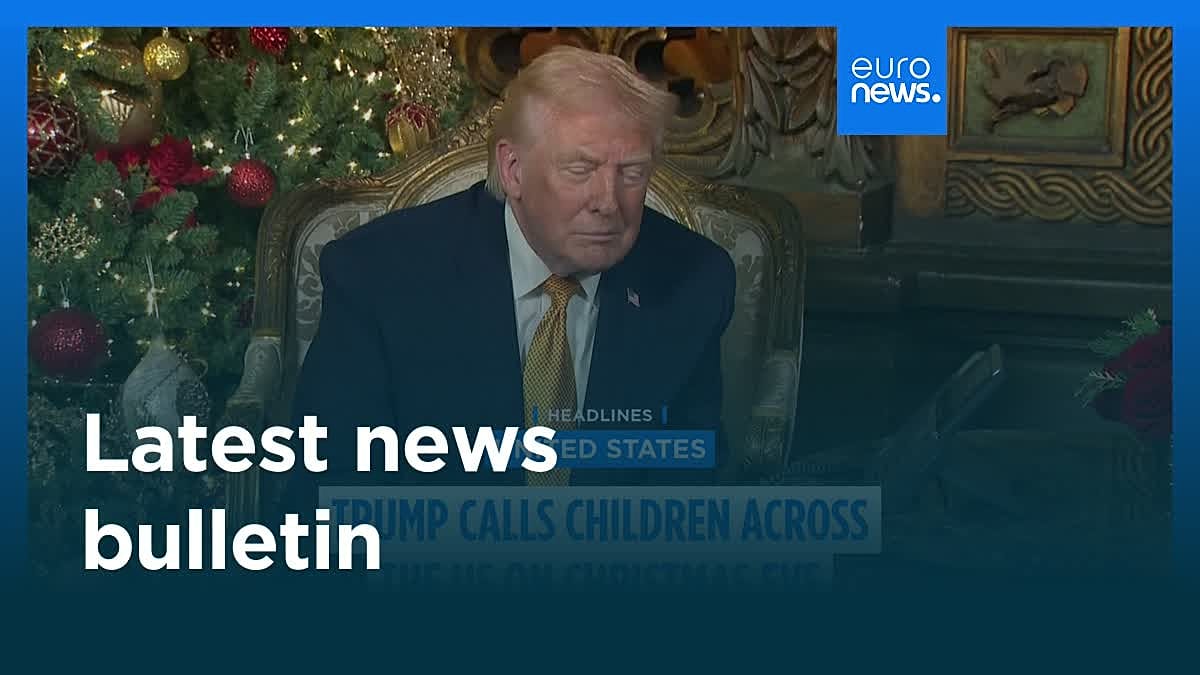
As Europe celebrates Christmas on December 25, 2025, the continent grapples with a surge in COVID-19 cases, prompting several countries to impose renewed restrictions. Governments across the region are prioritizing public health, leading to a series of lockdowns that impact holiday festivities and travel plans.
Germany, one of the hardest-hit nations, reported over 30,000 new infections on Christmas Eve. In response, the German government has reinstated strict measures, including the closure of non-essential businesses and a ban on large gatherings. Chancellor Olaf Scholz emphasized the need for collective responsibility to combat the virus’s spread, stating that “the health of our citizens must come first.”
In France, the situation mirrors that of Germany, with authorities confirming more than 25,000 daily cases. The French government has announced similar restrictions, including limits on attendance at holiday markets and events. Prime Minister Élisabeth Borne urged citizens to adhere to safety protocols, highlighting the importance of vaccination and mask-wearing during the festive season.
Italy is also facing challenges, with a reported rise in cases. The Italian government has restricted access to indoor venues for unvaccinated individuals as part of a broader effort to curb transmission. Health Minister Orazio Schillaci noted that these measures are critical in protecting vulnerable populations while allowing vaccinated individuals to enjoy the holidays safely.
Impact on Travel and Economy
The renewed restrictions have significantly affected holiday travel across Europe. Airlines and train services have reported a noticeable decline in passenger numbers, as many people opt to cancel their plans amid uncertainty. The European Union’s transport sector faces potential losses in the billions of euros, exacerbating an already fragile economic recovery.
Travel agencies are experiencing a wave of cancellations, with 15% of all holiday bookings reportedly withdrawn in recent weeks. Business owners in the hospitality and retail sectors express concern about the financial impact of the lockdowns, especially during what is typically one of the busiest shopping seasons of the year.
The World Health Organization (WHO) has reiterated the importance of vaccination and continued public health measures to manage the ongoing crisis. In a statement released on December 24, the organization urged nations to remain vigilant and prepared to adapt their strategies as necessary.
Public Sentiment and Future Outlook
Public sentiment varies across the continent, with many citizens expressing frustration over the recurring cycle of restrictions. Some individuals support the measures, believing they are essential for protecting public health, while others voice concerns about the economic repercussions and the impact on personal freedoms.
As Europe navigates these complex dynamics, the next few weeks will be crucial in determining the trajectory of the pandemic. Health officials stress that the situation remains fluid, and ongoing monitoring will be necessary to ensure the safety of the public.
With the holiday season in full swing, the continent faces a challenging balance between celebrating traditions and safeguarding health. The decisions made in the coming days will likely shape the region’s response to COVID-19 in the new year.

Mother Reveals Daughter’s Meningitis Seizure After Night Out

Major Oil Spill Disrupts Traffic in Donegal on March 16, 2026

Discovering Literature: The Joys of Rejoining a Public Library

Ted Season 2 Announced: Release Date & Trailer Updates Revealed

Research Ireland and UKRI Forge New Collaboration Agreement

David McGoldrick’s Impressive Scoring Streak Sparks World Cup Talk

Plane Crash Claims Lives of Publishing Heir, Pregnant Wife, and Pilot

Oscars Snub Brigitte Bardot Sparks Controversy Over In Memoriam

Meta Plans Major Layoffs to Offset Rising AI Investment Costs

Tributes Surge for 9-Year-Old Leon Briody After Cancer Battle

Aimee Osbourne Joins Family for Emotional Tribute to Ozzy

Danny Healy-Rae Considers Complaint After Altercation with Garda

Hawaii Commemorates 80 Years Since Hiroshima Bombing with Ceremony

Ireland Enjoys Summer Heat as Hurricane Erin Approaches Atlantic

Couple Convicted of Murdering Two-Year-Old Grandson in Wales

Gaza Aid Distribution Tragedy: 20 Killed Amid Ongoing Violence

Newcastle West Woman Patricia Foley Found Safe After Urgent Search

Fianna Fáil TDs Urgently Consider Maire Geoghegan-Quinn for Presidency
-
 Top Stories12 months ago
Tributes Surge for 9-Year-Old Leon Briody After Cancer Battle
-
 Entertainment1 year ago
Aimee Osbourne Joins Family for Emotional Tribute to Ozzy
-
 Politics1 year ago
Danny Healy-Rae Considers Complaint After Altercation with Garda
-
 World1 year ago
Hawaii Commemorates 80 Years Since Hiroshima Bombing with Ceremony
-
 Top Stories1 year ago
Ireland Enjoys Summer Heat as Hurricane Erin Approaches Atlantic
-
 World1 year ago
Couple Convicted of Murdering Two-Year-Old Grandson in Wales
-
 World1 year ago
Gaza Aid Distribution Tragedy: 20 Killed Amid Ongoing Violence
-
 Top Stories11 months ago
Newcastle West Woman Patricia Foley Found Safe After Urgent Search
-
 Top Stories1 year ago
Fianna Fáil TDs Urgently Consider Maire Geoghegan-Quinn for Presidency
-

 World1 year ago
Aristocrat Constance Marten and Partner Convicted of Infant Murder
-

 Top Stories1 year ago
Climbing Errigal: A Must-Do Summer Adventure in Donegal
-

 Top Stories1 year ago
Hike Donegal’s Errigal Mountain NOW for Unforgettable Summer Views