
Health
Ireland’s HSE Issues Urgent Warning as Norovirus Cases Surge

The Health Service Executive (HSE) in Ireland has issued an urgent warning regarding a surge in norovirus cases, urging anyone experiencing specific symptoms to take precautions. This highly contagious stomach bug is currently spreading at “high levels” across the country, with confirmed cases on the rise.
Norovirus, commonly referred to as the winter vomiting bug, typically causes severe vomiting and diarrhoea. According to the HSE, it spreads easily through close contact, contaminated surfaces, and food, making containment challenging once an outbreak begins. The Health Protection Surveillance Centre (HPSC) reported that the virus is likely to remain prevalent throughout the festive season, increasing the risk of outbreaks in communal settings.
Public Health Recommendations
The HSE has highlighted that the overlap of norovirus and high levels of influenza is placing additional strain on healthcare services. They have emphasized the importance of individual actions in mitigating the spread of the virus. In a recent update, health officials stated, “Outbreaks of norovirus and flu in hospitals and nursing homes can cause serious disruption and increase risks for patients and staff.”
To help curb the spread, the HSE recommends the following precautions for anyone feeling unwell:
– Stay at home for at least 48 hours after symptoms have stopped.
– Avoid visiting hospitals, care homes, or vulnerable individuals while unwell.
– Refrain from socialising until two days after symptoms have ceased.
Individuals experiencing vomiting or diarrhoea are also advised to avoid Emergency Departments unless seriously unwell. In such cases, they should inform reception staff of their symptoms to allow for appropriate precautions.
Managing Symptoms and Preventing Outbreaks
While norovirus is unpleasant, most people recover quickly without medical intervention. The HSE suggests that drinking plenty of fluids is usually sufficient for recovery. The public is reminded that antibiotics will not help, as norovirus is caused by a virus and not a bacterial infection.
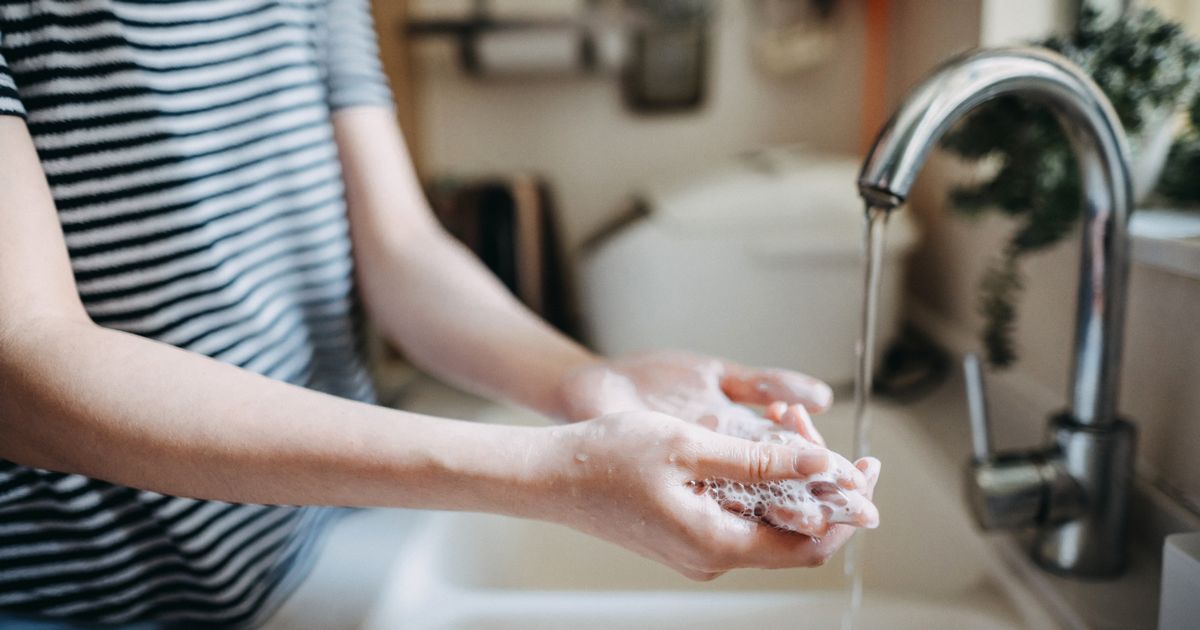
The HSE has reinforced the importance of hygiene practices in preventing the transmission of norovirus. Regular handwashing with soap and water is essential, as alcohol-based hand gels are ineffective against this virus. Surfaces that may be contaminated should be cleaned with a bleach-based disinfectant, and any soiled clothing or bedding should be washed separately on a hot cycle.
People are also advised to avoid consuming raw or unwashed food produce. The symptoms of norovirus typically manifest 1 to 2 days after infection and may include a slight fever, headaches, stomach cramps, and aching limbs. Symptoms usually last for two to three days.
The HSE states, “Norovirus is one of the most common stomach bugs in Ireland. It’s more prevalent in winter, but you can catch it at any time of the year.”
As Ireland continues to navigate this health challenge, public adherence to these recommendations is crucial in safeguarding the health of the wider community. For individuals experiencing symptoms, staying at home and managing hydration can aid in a quick recovery while preventing further spread of the virus.

Mother Reveals Daughter’s Meningitis Seizure After Night Out

Major Oil Spill Disrupts Traffic in Donegal on March 16, 2026

Discovering Literature: The Joys of Rejoining a Public Library

Ted Season 2 Announced: Release Date & Trailer Updates Revealed

Research Ireland and UKRI Forge New Collaboration Agreement

David McGoldrick’s Impressive Scoring Streak Sparks World Cup Talk

Plane Crash Claims Lives of Publishing Heir, Pregnant Wife, and Pilot

Oscars Snub Brigitte Bardot Sparks Controversy Over In Memoriam

Meta Plans Major Layoffs to Offset Rising AI Investment Costs

Tributes Surge for 9-Year-Old Leon Briody After Cancer Battle

Aimee Osbourne Joins Family for Emotional Tribute to Ozzy

Danny Healy-Rae Considers Complaint After Altercation with Garda

Hawaii Commemorates 80 Years Since Hiroshima Bombing with Ceremony

Ireland Enjoys Summer Heat as Hurricane Erin Approaches Atlantic

Couple Convicted of Murdering Two-Year-Old Grandson in Wales

Newcastle West Woman Patricia Foley Found Safe After Urgent Search

Fianna Fáil TDs Urgently Consider Maire Geoghegan-Quinn for Presidency

Gaza Aid Distribution Tragedy: 20 Killed Amid Ongoing Violence
-
 Top Stories7 months ago
Tributes Surge for 9-Year-Old Leon Briody After Cancer Battle
-
 Entertainment9 months ago
Aimee Osbourne Joins Family for Emotional Tribute to Ozzy
-
 Politics9 months ago
Danny Healy-Rae Considers Complaint After Altercation with Garda
-
 World9 months ago
Hawaii Commemorates 80 Years Since Hiroshima Bombing with Ceremony
-
 Top Stories8 months ago
Ireland Enjoys Summer Heat as Hurricane Erin Approaches Atlantic
-
 World9 months ago
Couple Convicted of Murdering Two-Year-Old Grandson in Wales
-
 Top Stories7 months ago
Newcastle West Woman Patricia Foley Found Safe After Urgent Search
-
 Top Stories9 months ago
Fianna Fáil TDs Urgently Consider Maire Geoghegan-Quinn for Presidency
-
 World9 months ago
Gaza Aid Distribution Tragedy: 20 Killed Amid Ongoing Violence
-

 World9 months ago
Aristocrat Constance Marten and Partner Convicted of Infant Murder
-

 Top Stories8 months ago
Hike Donegal’s Errigal Mountain NOW for Unforgettable Summer Views
-

 Top Stories8 months ago
Climbing Errigal: A Must-Do Summer Adventure in Donegal