
World
US Senate Rejects Resolution to Limit Trump’s Military Actions in Venezuela

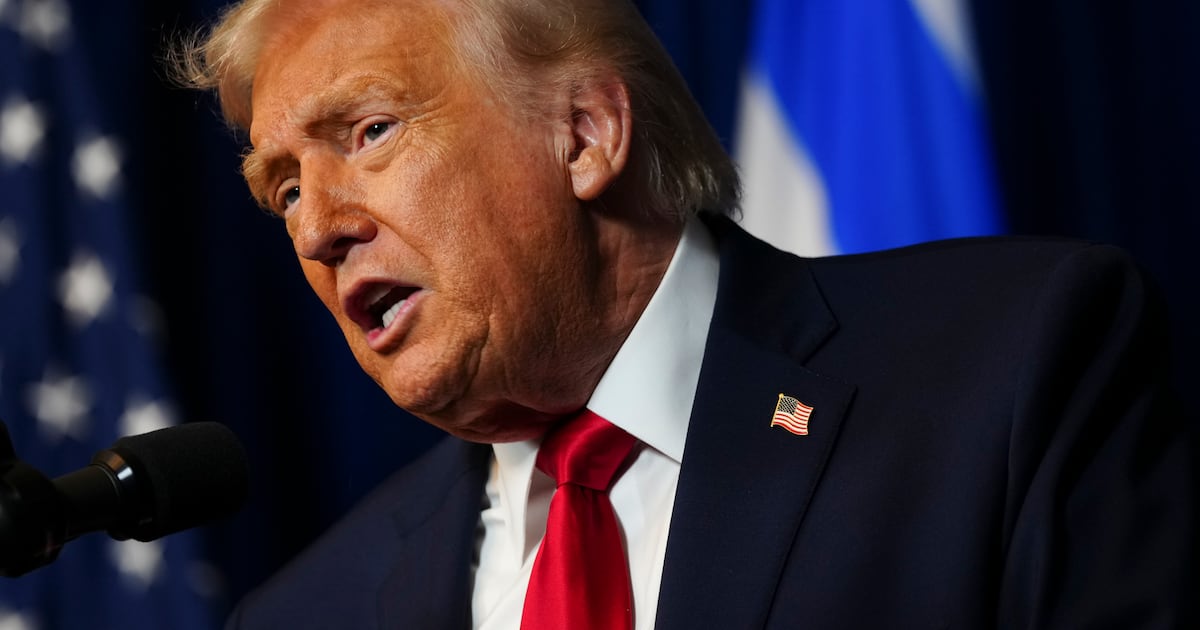
The US Senate recently voted against a war powers resolution that would have restricted President Donald Trump from taking further military action against Venezuela without prior congressional approval. The vote, which ended in a tie at 50-50, saw JD Vance casting the tie-breaking vote after Senators Josh Hawley of Missouri and Todd Young of Indiana reversed their previous support for the resolution, citing assurances from the Trump administration.
Initially, five Republican senators joined Democrats to advance the resolution, reflecting a growing concern among lawmakers about the president’s foreign policy approach. However, Hawley and Young’s shift in stance allowed the resolution to fail. This decision drew sharp criticism from Senate Democrats, who argued it emboldens Trump in his military ambitions. Senate Minority Leader Chuck Schumer stated, “Make no mistake about it: this vote makes things more dangerous, not less.”
The resolution’s defeat comes on the heels of a controversial operation earlier this month, where US troops captured the ousted Venezuelan president, Nicolás Maduro, during a surprise raid. This event heightened tensions and prompted the Democrats to push for checks on presidential military authority. Senator Tim Kaine of Virginia expressed his readiness to introduce additional measures to prevent Trump from engaging in military operations without congressional authorization.
Trump’s pressure on Republican senators to oppose the resolution underscored his administration’s stance on military intervention in Venezuela. Following the vote, he criticized those Republicans who had previously supported the measure, stating they “should never be elected to office again.” The procedural maneuvering that led to the resolution’s failure hinged on the argument that, with no US troops currently deployed in Venezuela, the resolution was not relevant.
Senator Rand Paul, known for his opposition to military interventions, called the rationale behind the vote “absurd,” questioning the timing of recognizing military actions. He remarked, “If we don’t know it’s a war until after all the people die… wouldn’t it then be a little late?”
Democratic Senator Adam Schiff from California emphasized the necessity for Congress to reassert its role in foreign military engagements, a power he described as having “atrophied” in recent administrations. Meanwhile, Jeff Merkley, a Democrat from Oregon, took to social media to accuse Republicans of supporting “forever wars” that contradict the interests of the American public.
The implications of this vote reflect a significant moment in US foreign policy discourse, revealing the divide within Congress regarding military intervention and the balance of power between the legislative and executive branches. As tensions continue to simmer in Venezuela and other regions, the dynamics of congressional oversight in military actions remain a critical issue for lawmakers moving forward.

Mother Reveals Daughter’s Meningitis Seizure After Night Out

Major Oil Spill Disrupts Traffic in Donegal on March 16, 2026

Discovering Literature: The Joys of Rejoining a Public Library

Ted Season 2 Announced: Release Date & Trailer Updates Revealed

Research Ireland and UKRI Forge New Collaboration Agreement

David McGoldrick’s Impressive Scoring Streak Sparks World Cup Talk

Plane Crash Claims Lives of Publishing Heir, Pregnant Wife, and Pilot

Oscars Snub Brigitte Bardot Sparks Controversy Over In Memoriam

Meta Plans Major Layoffs to Offset Rising AI Investment Costs

Tributes Surge for 9-Year-Old Leon Briody After Cancer Battle

Aimee Osbourne Joins Family for Emotional Tribute to Ozzy

Danny Healy-Rae Considers Complaint After Altercation with Garda

Hawaii Commemorates 80 Years Since Hiroshima Bombing with Ceremony

Ireland Enjoys Summer Heat as Hurricane Erin Approaches Atlantic

Couple Convicted of Murdering Two-Year-Old Grandson in Wales

Newcastle West Woman Patricia Foley Found Safe After Urgent Search

Fianna Fáil TDs Urgently Consider Maire Geoghegan-Quinn for Presidency

Gaza Aid Distribution Tragedy: 20 Killed Amid Ongoing Violence
-
 Top Stories7 months ago
Tributes Surge for 9-Year-Old Leon Briody After Cancer Battle
-
 Entertainment9 months ago
Aimee Osbourne Joins Family for Emotional Tribute to Ozzy
-
 Politics9 months ago
Danny Healy-Rae Considers Complaint After Altercation with Garda
-
 World9 months ago
Hawaii Commemorates 80 Years Since Hiroshima Bombing with Ceremony
-
 Top Stories8 months ago
Ireland Enjoys Summer Heat as Hurricane Erin Approaches Atlantic
-
 World9 months ago
Couple Convicted of Murdering Two-Year-Old Grandson in Wales
-
 Top Stories7 months ago
Newcastle West Woman Patricia Foley Found Safe After Urgent Search
-
 Top Stories9 months ago
Fianna Fáil TDs Urgently Consider Maire Geoghegan-Quinn for Presidency
-
 World9 months ago
Gaza Aid Distribution Tragedy: 20 Killed Amid Ongoing Violence
-

 World9 months ago
Aristocrat Constance Marten and Partner Convicted of Infant Murder
-

 Top Stories8 months ago
Hike Donegal’s Errigal Mountain NOW for Unforgettable Summer Views
-

 Top Stories8 months ago
Climbing Errigal: A Must-Do Summer Adventure in Donegal