
Entertainment
Netflix Series “Adolescence” Sparks Debate on Boys’ Issues

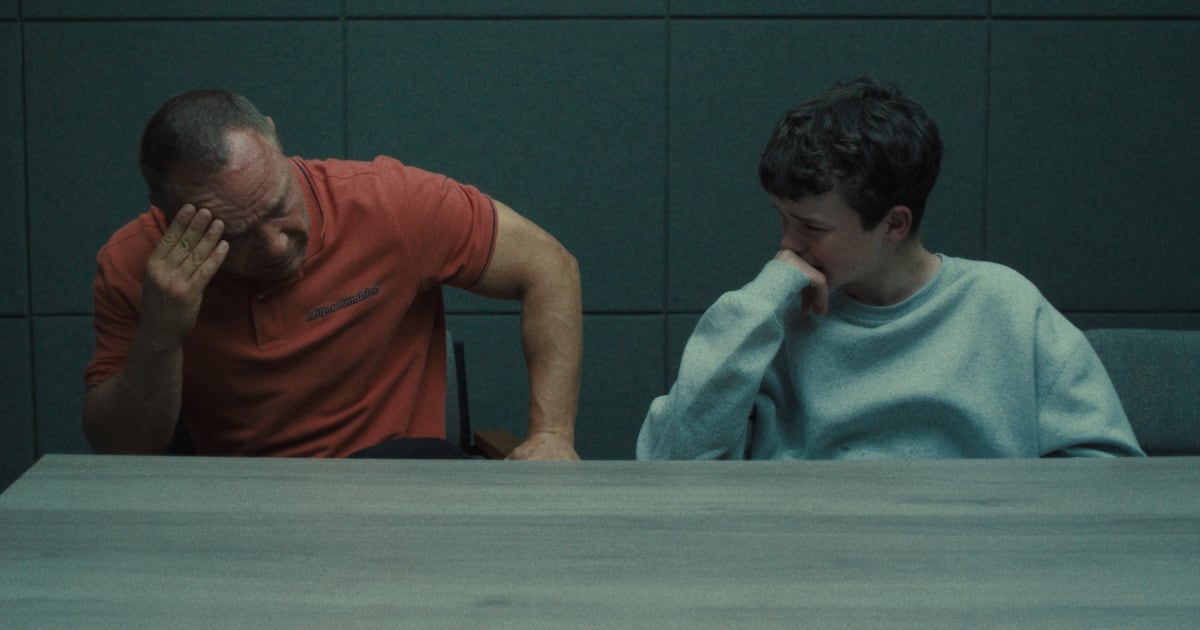
The Netflix series “Adolescence” has ignited discussions around the complexities of boys’ struggles, following the recent accolades received by its cast. Owen Cooper, who portrays Jamie Miller, recently became the youngest male winner of the Best Supporting Actor award at the Golden Globes and also made history at the Emmys. The show’s dramatic narrative features a seemingly sweet boy from a loving family who becomes radicalized by incel ideology, culminating in the tragic act of killing a schoolmate.
While “Adolescence” has been praised for its acting, direction, and cinematography, the underlying premise raises questions about its portrayal of young males grappling with societal pressures. The concept for the series was co-created by Stephen Graham, who plays Jamie’s father, Eddie, alongside Jack Thorne. Graham was motivated by alarming reports of youth violence, particularly the brutal murder of Ana Kriégel in Ireland in 2018, committed by two boys aged 13. This crime highlighted the troubling reality of youth violence, even among those from nurturing homes.
The series attributes Jamie’s violent behavior to the influence of a notorious figure in the so-called manosphere, often referred to as “that Andrew Tate shite.” Tate faces serious legal issues in the UK, including charges for rape and human trafficking. Jamie embodies the rhetoric often associated with incels, a group that believes that a disproportionate number of women are attracted to a small percentage of men, leaving many feeling isolated and hopeless.
Research on incel ideology, such as a study conducted by Swansea University for the UK Commission for Countering Extremism, reveals a more nuanced view. The study involved 561 participants and found that violence and hatred among incels are often directed inwards rather than outwardly. Notably, approximately 30 percent of these individuals met the clinical criteria for autism referrals, significantly higher than in the general population. Furthermore, one in five reported experiencing daily suicidal thoughts, and 86 percent had faced childhood bullying.
While only a small minority of participants, about 5 percent, demonstrated extreme right-wing views and a propensity for violence, the findings suggest that many young boys might outgrow incel beliefs as they mature. This perspective prompts a critical examination of whether these ideologies are symptoms of broader anxieties related to transitioning into adulthood.
The narrative in “Adolescence” raises essential questions about parental influence and societal expectations. Jamie’s parents, in a moment of despair, contemplate how they could raise both a troubled son and a kind, sensitive daughter named Lisa, played by Amélie Pease. The series underscores the complexity of parenting, suggesting that while parents have a role, they cannot control all aspects of their children’s development.
As young people navigate a world increasingly shaped by online interactions, the portrayal of schools in “Adolescence” also invites scrutiny. The school depicted in the series appears ineffective, lacking robust policies to address smartphone usage and student behavior. This depiction contrasts sharply with the proactive and supportive responses of Irish schools to tragedies.
The series also touches on the pervasive influence of online culture, which can isolate young men and women into ideological silos. This fragmentation often benefits a small group of individuals who profit from the confusion and despair of the youth. Prominent figures like Elon Musk have made headlines for their controversial actions, including significant cuts to programs like USAid, which have far-reaching consequences.
Furthermore, the normalization of sexual violence in pornography is a critical theme that “Adolescence” hints at but does not fully explore. Jamie’s comment that “everyone sees porn” reflects a cultural reality that many adults find uncomfortable to address. Critics argue that the prevalence of violent and misogynistic imagery may contribute to harmful behaviors, particularly among young boys.
As society grapples with these complex issues, it is evident that simply vilifying boys and young men will not resolve the underlying problems. Labeling masculinity as “toxic” without offering constructive alternatives risks pushing young individuals toward unhelpful online communities that reinforce nihilistic views.
“Adolescence” succeeds in delivering a gripping narrative but ultimately reflects the same oversimplifications seen in its characters. The series presents a vital opportunity for dialogue, emphasizing that the issues faced by young boys are multifaceted and require a broader understanding beyond individual circumstances. The ongoing conversation about the portrayal of masculinity and youth in media is crucial for fostering healthier environments for future generations.

Mother Reveals Daughter’s Meningitis Seizure After Night Out

Major Oil Spill Disrupts Traffic in Donegal on March 16, 2026

Discovering Literature: The Joys of Rejoining a Public Library

Ted Season 2 Announced: Release Date & Trailer Updates Revealed

Research Ireland and UKRI Forge New Collaboration Agreement

David McGoldrick’s Impressive Scoring Streak Sparks World Cup Talk

Plane Crash Claims Lives of Publishing Heir, Pregnant Wife, and Pilot

Oscars Snub Brigitte Bardot Sparks Controversy Over In Memoriam

Meta Plans Major Layoffs to Offset Rising AI Investment Costs

Tributes Surge for 9-Year-Old Leon Briody After Cancer Battle

Aimee Osbourne Joins Family for Emotional Tribute to Ozzy

Danny Healy-Rae Considers Complaint After Altercation with Garda

Hawaii Commemorates 80 Years Since Hiroshima Bombing with Ceremony

Ireland Enjoys Summer Heat as Hurricane Erin Approaches Atlantic

Couple Convicted of Murdering Two-Year-Old Grandson in Wales

Gaza Aid Distribution Tragedy: 20 Killed Amid Ongoing Violence

Newcastle West Woman Patricia Foley Found Safe After Urgent Search

Fianna Fáil TDs Urgently Consider Maire Geoghegan-Quinn for Presidency
-
 Top Stories11 months ago
Tributes Surge for 9-Year-Old Leon Briody After Cancer Battle
-
 Entertainment1 year ago
Aimee Osbourne Joins Family for Emotional Tribute to Ozzy
-
 Politics1 year ago
Danny Healy-Rae Considers Complaint After Altercation with Garda
-
 World1 year ago
Hawaii Commemorates 80 Years Since Hiroshima Bombing with Ceremony
-
 Top Stories1 year ago
Ireland Enjoys Summer Heat as Hurricane Erin Approaches Atlantic
-
 World1 year ago
Couple Convicted of Murdering Two-Year-Old Grandson in Wales
-
 World1 year ago
Gaza Aid Distribution Tragedy: 20 Killed Amid Ongoing Violence
-
 Top Stories11 months ago
Newcastle West Woman Patricia Foley Found Safe After Urgent Search
-
 Top Stories1 year ago
Fianna Fáil TDs Urgently Consider Maire Geoghegan-Quinn for Presidency
-

 World1 year ago
Aristocrat Constance Marten and Partner Convicted of Infant Murder
-

 Top Stories1 year ago
Climbing Errigal: A Must-Do Summer Adventure in Donegal
-

 Top Stories1 year ago
Hike Donegal’s Errigal Mountain NOW for Unforgettable Summer Views