
Health
Health Officials Race to Contain Nipah Virus Outbreak in India

A new outbreak of the Nipah virus in India has sparked concerns due to its high mortality rate and potential for zoonotic transmission. The Nipah virus, which can be fatal in 40% to 75% of cases according to the UK Health Security Agency, is currently affecting healthcare workers in the eastern state of West Bengal. Health officials are working swiftly to contain the outbreak after two healthcare workers were hospitalized in late December 2023. One remains in a coma, while the other has shown signs of improvement, as reported by the World Health Organization.
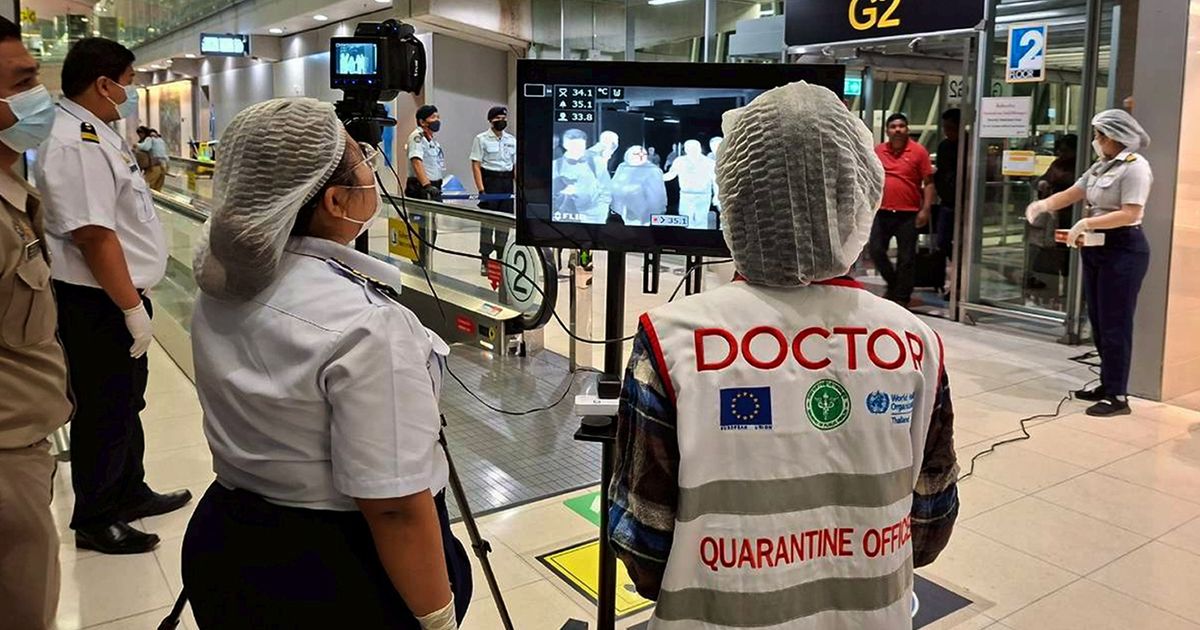
Authorities have traced and tested around 200 individuals who came into contact with the infected workers. Hospitals have heightened infection control measures, while nearby countries have tightened border restrictions and enhanced health screenings at major airports in response to the outbreak. The World Health Organization has classified Nipah as one of its top ten priority diseases due to its potential to cause widespread epidemics.
Understanding the Nipah Virus
The Nipah virus is a zoonotic pathogen that can be transmitted from animals, particularly bats and pigs, to humans. The natural host of the virus, the fruit bats of the Pteropodidae family, carry the virus without displaying symptoms, thereby spreading it through saliva, urine, and feces. First identified in 1999 during an outbreak among pig farmers in Malaysia, Nipah was initially misdiagnosed as Japanese encephalitis. Subsequent outbreaks have occurred in countries including Bangladesh, India, Malaysia, the Philippines, and Singapore.
Professor Paul Hunter, an expert in medicine at the University of East Anglia, notes that Nipah outbreaks typically occur one or two times each year, with a significant event happening in West Bengal in 2023. Dr. Efstathios Giotis, a lecturer in molecular virology at the University of Essex, mentions that while the current cases appear to be contained, there is no evidence of widespread community transmission.
Symptoms and Challenges of Treatment
Nipah virus infection can manifest with flu-like symptoms or, more severely, can invade the central nervous system, leading to encephalitis. Initial symptoms may include fever, headaches, muscle pain, and vomiting, which can escalate to dizziness, pneumonia, severe respiratory issues, seizures, and coma. When the virus breaches the blood-brain barrier, it can cause significant swelling and long-term neurological damage.
Currently, there are no specific treatments for Nipah virus infections. Patients typically receive supportive care while their bodies fight the virus. As Dr. Giotis explains, some individuals may contract the virus without showing symptoms, with the potential for reactivation long after the initial infection.
The lack of a vaccine or effective treatment options presents a challenge for researchers. Prof. Hunter explains that the rarity of Nipah cases makes it difficult to establish and prove the efficacy of a vaccine in real-world settings. The commercial viability of developing treatments is further complicated by the limited number of cases, particularly in low-income regions where outbreaks occur in smaller, rural populations.
Potential for Wider Outbreaks
The death rate associated with Nipah virus can fluctuate based on local healthcare capabilities, with estimates ranging from 50% to 90%. Prof. Hunter emphasizes that while the current strain presents a low risk of becoming a pandemic, the possibility of the virus mutating to a more transmissible form cannot be entirely dismissed.
Despite its portrayal in popular media, such as the 2011 film “Contagion,” there have been no recorded cases of Nipah in countries like Ireland, and the present strain is not expected to trigger widespread outbreaks. Prof. Hunter adds, “Its pandemic potential is very low,” but urges vigilance against the possibility of future evolution.
As travel ramps up during the Lunar New Year, concerns grow about the outbreak’s timing. Some airports in Thailand have begun screening passengers arriving from West Bengal, and local health authorities have enforced stricter measures at tourist sites.
For travelers with plans to visit affected regions, both experts advise caution. Prof. Hunter recommends avoiding raw date palm products that have not been pasteurized and ensuring proper food handling. Dr. Giotis suggests steering clear of contact with animals, particularly bats and pigs, and maintaining general health precautions.
With ongoing vigilance and effective containment measures, health officials aim to prevent further spread of the Nipah virus and protect public health.

Mother Reveals Daughter’s Meningitis Seizure After Night Out

Major Oil Spill Disrupts Traffic in Donegal on March 16, 2026

Discovering Literature: The Joys of Rejoining a Public Library

Ted Season 2 Announced: Release Date & Trailer Updates Revealed

Research Ireland and UKRI Forge New Collaboration Agreement

David McGoldrick’s Impressive Scoring Streak Sparks World Cup Talk

Plane Crash Claims Lives of Publishing Heir, Pregnant Wife, and Pilot

Oscars Snub Brigitte Bardot Sparks Controversy Over In Memoriam

Meta Plans Major Layoffs to Offset Rising AI Investment Costs

Tributes Surge for 9-Year-Old Leon Briody After Cancer Battle

Aimee Osbourne Joins Family for Emotional Tribute to Ozzy

Danny Healy-Rae Considers Complaint After Altercation with Garda

Hawaii Commemorates 80 Years Since Hiroshima Bombing with Ceremony

Ireland Enjoys Summer Heat as Hurricane Erin Approaches Atlantic

Couple Convicted of Murdering Two-Year-Old Grandson in Wales

Newcastle West Woman Patricia Foley Found Safe After Urgent Search

Fianna Fáil TDs Urgently Consider Maire Geoghegan-Quinn for Presidency

Gaza Aid Distribution Tragedy: 20 Killed Amid Ongoing Violence
-
 Top Stories7 months ago
Tributes Surge for 9-Year-Old Leon Briody After Cancer Battle
-
 Entertainment9 months ago
Aimee Osbourne Joins Family for Emotional Tribute to Ozzy
-
 Politics9 months ago
Danny Healy-Rae Considers Complaint After Altercation with Garda
-
 World9 months ago
Hawaii Commemorates 80 Years Since Hiroshima Bombing with Ceremony
-
 Top Stories8 months ago
Ireland Enjoys Summer Heat as Hurricane Erin Approaches Atlantic
-
 World9 months ago
Couple Convicted of Murdering Two-Year-Old Grandson in Wales
-
 Top Stories7 months ago
Newcastle West Woman Patricia Foley Found Safe After Urgent Search
-
 Top Stories9 months ago
Fianna Fáil TDs Urgently Consider Maire Geoghegan-Quinn for Presidency
-
 World9 months ago
Gaza Aid Distribution Tragedy: 20 Killed Amid Ongoing Violence
-

 World9 months ago
Aristocrat Constance Marten and Partner Convicted of Infant Murder
-

 Top Stories8 months ago
Hike Donegal’s Errigal Mountain NOW for Unforgettable Summer Views
-

 Top Stories8 months ago
Climbing Errigal: A Must-Do Summer Adventure in Donegal