
Lifestyle
Young Kazakhs Transform Cultural Symbols into Personal Tattoos

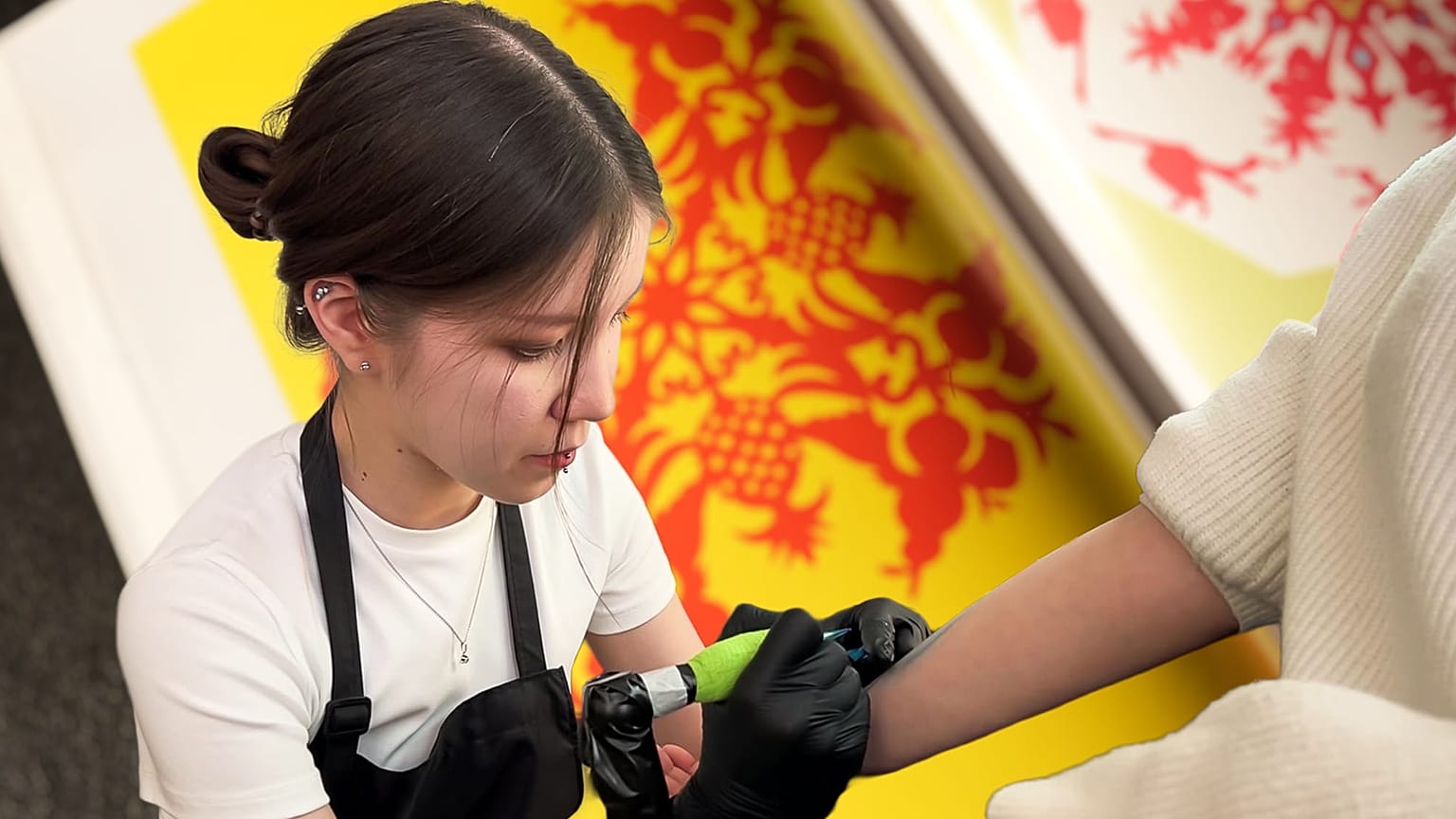
Across Kazakhstan, a significant cultural shift is occurring as young people increasingly turn to traditional Kazakh ornaments for tattoo designs. What was once woven into carpets and carved into wood is now being etched onto skin, allowing a new generation to reclaim their identity and reconnect with their cultural roots. This trend reflects a broader revival of cultural heritage, with traditional motifs gaining popularity in fashion, branding, and urban design.
Tattoo studios across the country are experiencing a noticeable rise in requests for these traditional designs. The motifs, originally intended to protect households and ward off evil spirits, are now becoming integral to personal expression. As the demand grows, artists like Sabina Sabyrbayeva are diving deeper into the significance of these symbols, blending heritage with modern self-expression.
Reclaiming Identity Through Ink
Sabyrbayeva began her tattoo career in 2019 and has observed a clear shift in client preferences. “Demand creates supply. When more clients began asking for them, I felt the need to study the subject more deeply,” she shared. One of her first tattoos was the koshkar muyiz, or ram’s horn, symbolizing strength, prosperity, and protection. A client requested it on her chest, marking a pivotal moment in Sabyrbayeva’s artistic journey.
The interest in these ornaments extends beyond local clients. For instance, one tourist left Kazakhstan with a tattoo of kus kanat, or bird’s wings, on his calf. This choice was a way for him to carry a piece of Kazakh culture with him, highlighting the appeal of these designs to a broader audience.
Personal Choices and Cultural Significance
For others, such as Alua Sadbekova, obtaining a tattoo is a conscious decision rooted in cultural appreciation. Sadbekova chose the kus kanat motif, representing freedom and aspiration. “I spent a long time choosing the design. Back in school, when we studied traditional ornaments, this particular motif caught my attention. I think this tattoo fully reflects who I am and the path I am on,” she explained.
Sadbekova noted that many young people today are increasingly interested in their cultural roots. The minimalist and contemporary aesthetics of traditional ornaments make them particularly appealing. “I chose it for its meaning. Freedom is essential to me. Yes, the ornament is beautiful, but what matters most is what it stands for,” she said.
Kazakh ornaments, first documented in written sources in the early 16th century, encapsulate a rich layer of cultural heritage from the nomadic peoples of the Great Steppe. Characterized by flowing lines and curved patterns that echo animal horns and waves, these designs carry deep meanings. Zoomorphic motifs, such as horns and wings, symbolize strength and prosperity, while floral elements reflect fertility. Geometric forms like diamonds and circles represent protection and harmony.
These ornaments have traditionally adorned clothing, carpets, and various utensils throughout life. They were intricately woven into the interiors of yurts and adorned weapons and horse harnesses. Not only did they signify status, but they also served protective purposes, warding off evil spirits and attracting good fortune.
As Kazakhstan’s young population embraces these traditional symbols through tattoos, they are not merely marking their bodies but are also celebrating a rich cultural legacy. This evolving practice reflects a collective yearning to honor heritage while making it uniquely personal.

Mother Reveals Daughter’s Meningitis Seizure After Night Out

Major Oil Spill Disrupts Traffic in Donegal on March 16, 2026

Discovering Literature: The Joys of Rejoining a Public Library

Ted Season 2 Announced: Release Date & Trailer Updates Revealed

Research Ireland and UKRI Forge New Collaboration Agreement

David McGoldrick’s Impressive Scoring Streak Sparks World Cup Talk

Plane Crash Claims Lives of Publishing Heir, Pregnant Wife, and Pilot

Oscars Snub Brigitte Bardot Sparks Controversy Over In Memoriam

Meta Plans Major Layoffs to Offset Rising AI Investment Costs

Tributes Surge for 9-Year-Old Leon Briody After Cancer Battle

Aimee Osbourne Joins Family for Emotional Tribute to Ozzy

Danny Healy-Rae Considers Complaint After Altercation with Garda

Hawaii Commemorates 80 Years Since Hiroshima Bombing with Ceremony

Ireland Enjoys Summer Heat as Hurricane Erin Approaches Atlantic

Couple Convicted of Murdering Two-Year-Old Grandson in Wales

Gaza Aid Distribution Tragedy: 20 Killed Amid Ongoing Violence

Newcastle West Woman Patricia Foley Found Safe After Urgent Search

Fianna Fáil TDs Urgently Consider Maire Geoghegan-Quinn for Presidency
-
 Top Stories10 months ago
Tributes Surge for 9-Year-Old Leon Briody After Cancer Battle
-
 Entertainment12 months ago
Aimee Osbourne Joins Family for Emotional Tribute to Ozzy
-
 Politics12 months ago
Danny Healy-Rae Considers Complaint After Altercation with Garda
-
 World1 year ago
Hawaii Commemorates 80 Years Since Hiroshima Bombing with Ceremony
-
 Top Stories11 months ago
Ireland Enjoys Summer Heat as Hurricane Erin Approaches Atlantic
-
 World1 year ago
Couple Convicted of Murdering Two-Year-Old Grandson in Wales
-
 World1 year ago
Gaza Aid Distribution Tragedy: 20 Killed Amid Ongoing Violence
-
 Top Stories10 months ago
Newcastle West Woman Patricia Foley Found Safe After Urgent Search
-
 Top Stories1 year ago
Fianna Fáil TDs Urgently Consider Maire Geoghegan-Quinn for Presidency
-

 World1 year ago
Aristocrat Constance Marten and Partner Convicted of Infant Murder
-

 Top Stories12 months ago
Climbing Errigal: A Must-Do Summer Adventure in Donegal
-

 Top Stories12 months ago
Hike Donegal’s Errigal Mountain NOW for Unforgettable Summer Views