
Health
Hospitals in Cork and Tallaght Urged to Enhance Radiation Safety

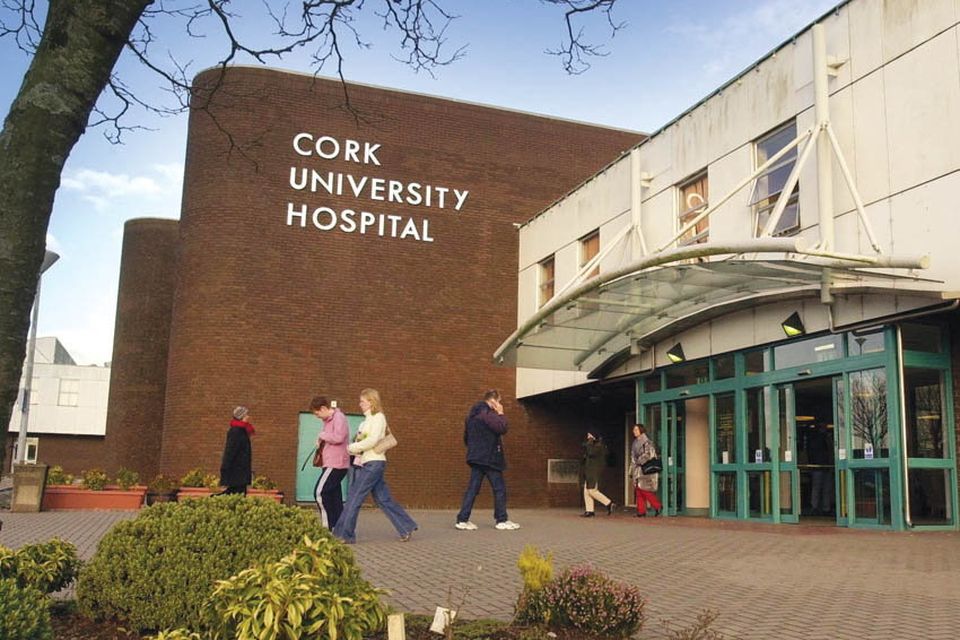
Hospitals in Cork and Tallaght have been directed to improve their protocols for managing radiation exposure to patients following recent inspections by the Health Information and Quality Authority (HIQA). The inspections were part of a broader initiative to ensure compliance with regulations surrounding medical exposure to ionising radiation, which is commonly used in diagnostic imaging and cancer treatment.
During the inspection at Cork University Hospital, HIQA inspectors noted significant non-compliances related to referrals made to the hospital’s diagnostic imaging department. The report indicated that while the majority of medical exposures were performed based on practitioner referrals, there were instances where this standard was not met. Inspectors emphasized the need for hospitals to provide stronger assurances that all radiological procedures comply with regulatory guidelines, particularly regarding the qualifications of referring practitioners.
The report further highlighted the necessity for improved communication and a clear allocation of responsibilities within the hospital, especially concerning radiation protection protocols. Recommendations included enhancing the involvement of medical physics experts to ensure all safety measures are effectively implemented.
Similarly, a separate inspection of Tallaght University Hospital identified shortcomings in its radiation safety governance. Inspectors found that many documents related to radiation protection were unclear, with some containing contradictory information. These discrepancies raised concerns about the hospital’s ability to maintain consistent safety measures.
HIQA’s recent assessments included 14 inspection reports that evaluated compliance across eight public and six private health facilities. Among the inspected facilities, Affidea Waterford, Blackrock Health Blackrock Clinic, and the University Hospital Galway were noted for their high levels of compliance. Inspectors observed numerous examples of good practices, showcasing efforts to ensure that patients receive safe and managed radiation exposures.
In their findings, HIQA recognized that many facilities had taken effective steps to address prior compliance issues. For instance, the Blackrock Health Blackrock Clinic implemented new measures to improve regulatory compliance, including enhanced referral processes and protocols for confirming pregnancy when relevant.
Despite these positive notes, the watchdog highlighted the need for ongoing attention to incident reporting across medical facilities. It stressed the importance of identifying, documenting, and analyzing all potential incidents and near misses in line with HIQA guidelines.
When non-compliance issues were identified, hospitals were required to submit a comprehensive compliance plan detailing how they would rectify the shortcomings. This proactive approach aims to foster an environment of safety and accountability within the healthcare sector.
As hospitals continue to navigate the complexities of radiation safety, the emphasis remains on the need for robust systems and clear communication to protect patient health. The ongoing inspections by HIQA serve as a crucial reminder of the importance of adhering to established regulations in medical practices involving ionising radiation.

Mother Reveals Daughter’s Meningitis Seizure After Night Out

Major Oil Spill Disrupts Traffic in Donegal on March 16, 2026

Discovering Literature: The Joys of Rejoining a Public Library

Ted Season 2 Announced: Release Date & Trailer Updates Revealed

Research Ireland and UKRI Forge New Collaboration Agreement

David McGoldrick’s Impressive Scoring Streak Sparks World Cup Talk

Plane Crash Claims Lives of Publishing Heir, Pregnant Wife, and Pilot

Oscars Snub Brigitte Bardot Sparks Controversy Over In Memoriam

Meta Plans Major Layoffs to Offset Rising AI Investment Costs

Tributes Surge for 9-Year-Old Leon Briody After Cancer Battle

Aimee Osbourne Joins Family for Emotional Tribute to Ozzy

Danny Healy-Rae Considers Complaint After Altercation with Garda

Hawaii Commemorates 80 Years Since Hiroshima Bombing with Ceremony

Ireland Enjoys Summer Heat as Hurricane Erin Approaches Atlantic

Couple Convicted of Murdering Two-Year-Old Grandson in Wales

Newcastle West Woman Patricia Foley Found Safe After Urgent Search

Fianna Fáil TDs Urgently Consider Maire Geoghegan-Quinn for Presidency

Gaza Aid Distribution Tragedy: 20 Killed Amid Ongoing Violence
-
 Top Stories7 months ago
Tributes Surge for 9-Year-Old Leon Briody After Cancer Battle
-
 Entertainment8 months ago
Aimee Osbourne Joins Family for Emotional Tribute to Ozzy
-
 Politics9 months ago
Danny Healy-Rae Considers Complaint After Altercation with Garda
-
 World9 months ago
Hawaii Commemorates 80 Years Since Hiroshima Bombing with Ceremony
-
 Top Stories8 months ago
Ireland Enjoys Summer Heat as Hurricane Erin Approaches Atlantic
-
 World9 months ago
Couple Convicted of Murdering Two-Year-Old Grandson in Wales
-
 Top Stories7 months ago
Newcastle West Woman Patricia Foley Found Safe After Urgent Search
-
 Top Stories9 months ago
Fianna Fáil TDs Urgently Consider Maire Geoghegan-Quinn for Presidency
-
 World9 months ago
Gaza Aid Distribution Tragedy: 20 Killed Amid Ongoing Violence
-

 World9 months ago
Aristocrat Constance Marten and Partner Convicted of Infant Murder
-

 Top Stories8 months ago
Hike Donegal’s Errigal Mountain NOW for Unforgettable Summer Views
-

 Top Stories8 months ago
Climbing Errigal: A Must-Do Summer Adventure in Donegal