
World
Tensions Rise as US and Israel Target Iran, Regime Change Unlikely

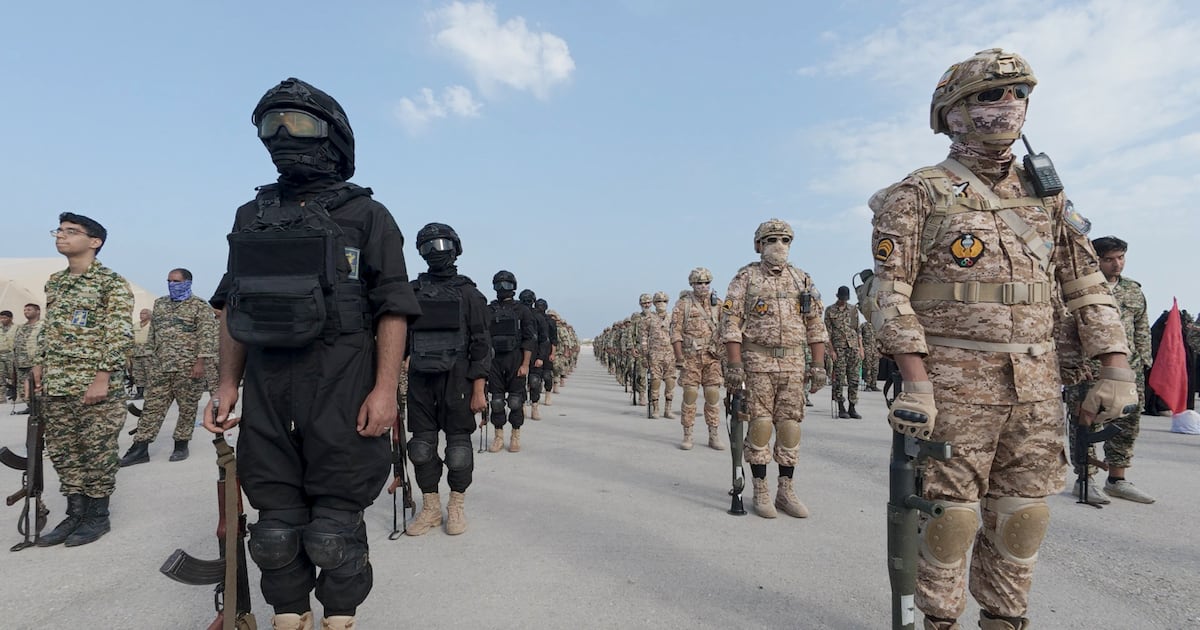
Recent air attacks by the United States and Israel across Iran have escalated tensions in the region, prompting fears of Iranian retaliation against US military bases and allied countries in the Gulf. Explosions have been reported in multiple locations, including northern Israel, Qatar, and Bahrain, raising concerns about the stability of a region crucial to global oil supplies.
The US maintains a significant military presence in the Gulf, with 13 bases scattered throughout. The largest, al-Udeid Air Base in Qatar, was specifically targeted by Iranian missiles during the recent offensive. As a result of these military actions, diplomatic efforts aimed at resuming Omani-mediated negotiations regarding Iran’s nuclear program have been severely undermined. The escalation could effectively halt discussions for the foreseeable future.
Potential Iranian Retaliation and Global Oil Implications
Experts suggest that Iran’s response could involve strategic moves such as mining or blocking the Strait of Hormuz. This vital waterway is responsible for transporting up to 25 percent of the world’s oil supply daily. Such actions would not only impact Iranian and Gulf oil exporters but could also trigger an “oil shock” reminiscent of the crises experienced in the 1970s, severely affecting Western economies reliant on oil for manufacturing and consumption.
The aerial offensive, initiated by US President Donald Trump, aims for regime change in Iran rather than merely targeting its nuclear capabilities. Trump has expressed a desire for the Iranian populace to overthrow their government, harkening back to the mass antigovernment protests that were violently suppressed in January 2025. Achieving this goal, however, appears complicated without the support of ground forces to confront regime defenders.
Challenges to Regime Change in Iran
The potential for regime change hinges on a significant shift within Iran’s military and political landscape, particularly concerning the Islamic Revolutionary Guard Corps (IRGC). This elite military unit serves not only as a protector of the regime but also as a critical stakeholder in the nation’s political and economic systems. For a successful uprising, there would need to be a notable defection or division within the IRGC, alongside a unified domestic opposition prepared to assume power.
Currently, Iran’s security forces have effectively suppressed internal dissent, while external opposition factions remain fragmented among monarchists, secularists, nationalists, and communists. Given these complexities, the prospect of regime change appears highly unlikely in the absence of a cohesive movement supported by military defections.
As the situation unfolds, the international community watches closely, understanding that the ramifications of continued conflict could extend well beyond the borders of Iran and impact global stability and economic security.

Mother Reveals Daughter’s Meningitis Seizure After Night Out

Major Oil Spill Disrupts Traffic in Donegal on March 16, 2026

Discovering Literature: The Joys of Rejoining a Public Library

Ted Season 2 Announced: Release Date & Trailer Updates Revealed

Research Ireland and UKRI Forge New Collaboration Agreement

David McGoldrick’s Impressive Scoring Streak Sparks World Cup Talk

Plane Crash Claims Lives of Publishing Heir, Pregnant Wife, and Pilot

Oscars Snub Brigitte Bardot Sparks Controversy Over In Memoriam

Meta Plans Major Layoffs to Offset Rising AI Investment Costs

Tributes Surge for 9-Year-Old Leon Briody After Cancer Battle

Aimee Osbourne Joins Family for Emotional Tribute to Ozzy

Danny Healy-Rae Considers Complaint After Altercation with Garda

Hawaii Commemorates 80 Years Since Hiroshima Bombing with Ceremony

Ireland Enjoys Summer Heat as Hurricane Erin Approaches Atlantic

Couple Convicted of Murdering Two-Year-Old Grandson in Wales

Gaza Aid Distribution Tragedy: 20 Killed Amid Ongoing Violence

Newcastle West Woman Patricia Foley Found Safe After Urgent Search

Fianna Fáil TDs Urgently Consider Maire Geoghegan-Quinn for Presidency
-
 Top Stories10 months ago
Tributes Surge for 9-Year-Old Leon Briody After Cancer Battle
-
 Entertainment12 months ago
Aimee Osbourne Joins Family for Emotional Tribute to Ozzy
-
 Politics12 months ago
Danny Healy-Rae Considers Complaint After Altercation with Garda
-
 World1 year ago
Hawaii Commemorates 80 Years Since Hiroshima Bombing with Ceremony
-
 Top Stories11 months ago
Ireland Enjoys Summer Heat as Hurricane Erin Approaches Atlantic
-
 World1 year ago
Couple Convicted of Murdering Two-Year-Old Grandson in Wales
-
 World1 year ago
Gaza Aid Distribution Tragedy: 20 Killed Amid Ongoing Violence
-
 Top Stories10 months ago
Newcastle West Woman Patricia Foley Found Safe After Urgent Search
-
 Top Stories1 year ago
Fianna Fáil TDs Urgently Consider Maire Geoghegan-Quinn for Presidency
-

 World1 year ago
Aristocrat Constance Marten and Partner Convicted of Infant Murder
-

 Top Stories12 months ago
Climbing Errigal: A Must-Do Summer Adventure in Donegal
-

 Top Stories12 months ago
Hike Donegal’s Errigal Mountain NOW for Unforgettable Summer Views