
Top Stories
Global Crackdown Targets Billion-Euro Eel Trafficking Networks

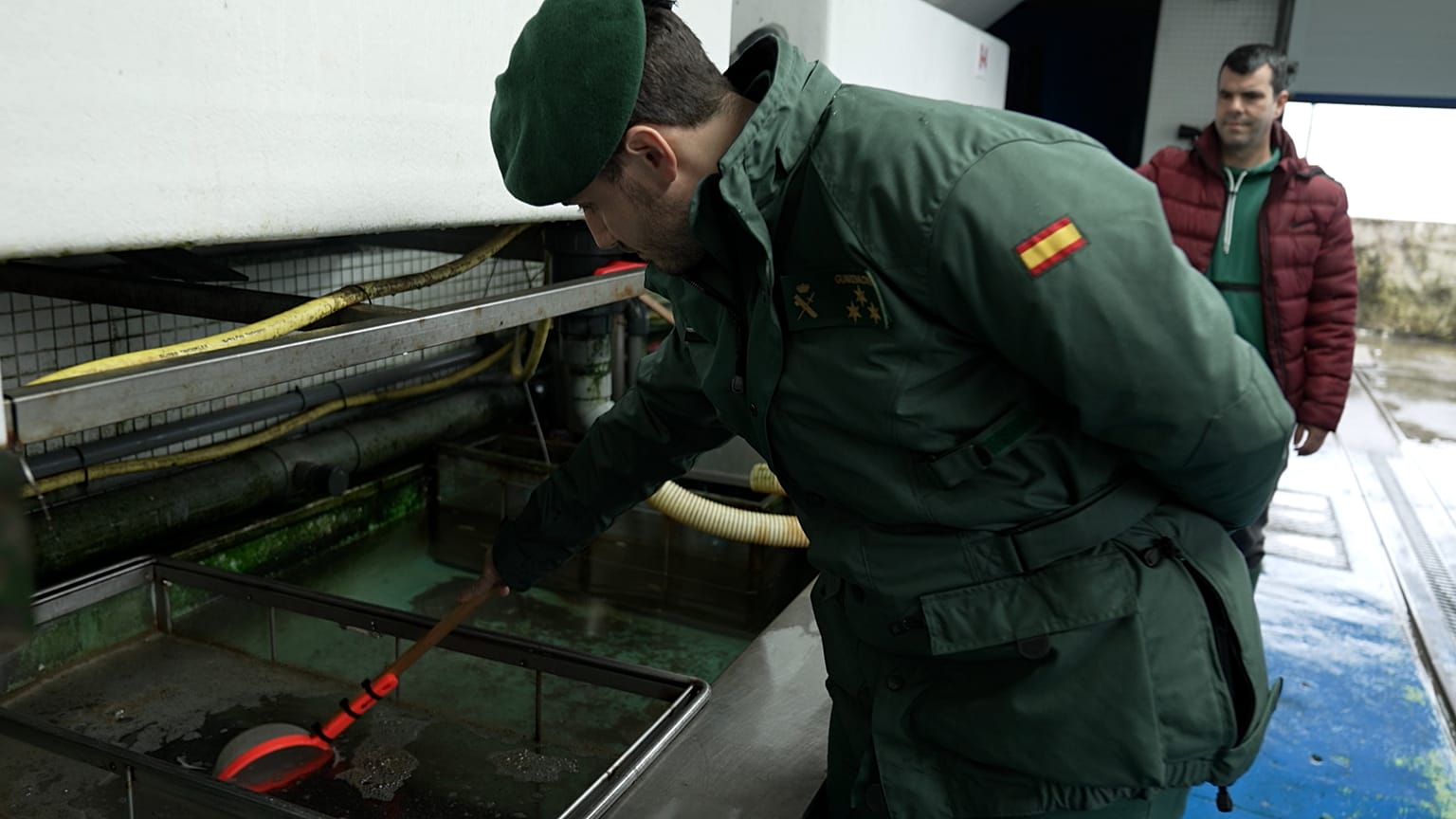
The illegal trade involving the European eel, a species whose population has plummeted by over 90% since the 1980s, has prompted a significant international crackdown. Despite a ban on all exports of European eels outside of the European Union (EU) implemented in 2009, poaching remains rampant, with dozens of tonnes of juvenile eels, known as glass eels, believed to be illegally harvested each year. These eels are often shipped live to aquaculture farms in Asia, where they are fattened for consumption.
Launched in 2015, Europol’s operation LAKE has achieved notable success in combating this illicit trade. The operation has led to record seizures of poached specimens and the arrest of “mules” attempting to transport glass eels concealed in luggage through major airports across Europe. Captain Daniel Barturen García of Spain’s environmental police, SEPRONA, described the tactics used by traffickers: “They add ice to slow down their metabolism and inject oxygen so the glass eels can survive the trip to Asia.” The high value of glass eels, selling for up to €6,000 per kilogram on the black market, drives this illegal activity, which is estimated to generate between €2 billion and €3 billion annually during peak years.
Efforts to curb this trade have been bolstered by advancements in technology. Traffickers often use mixed consignments and false declarations to evade detection, making it challenging for customs officials to identify eel species at the juvenile stage. Private companies and universities are working on faster, more affordable DNA testing kits that allow law enforcement to quickly ascertain the species of eels in a shipment. Barend Janse Van Rensburg, Chief of the Enforcement Unit at the CITES Secretariat, highlighted the importance of this technology for legal proceedings: “DNA technology can also help authorities to take that evidence to court for the offenders to be prosecuted.”
The trafficking of eels involves a complex network of individuals from various nationalities, each playing a distinct role in the illegal supply chain, from fishing to transport. Cases have been documented involving transit through countries far from the fishing grounds, such as Cyprus, Morocco, and Senegal. José Adrian Sanchez Romero from INTERPOL’s Environmental Security Sub-Directorate noted, “There are complex money-laundering structures, sometimes operating at the corporate level across several countries.” INTERPOL aims to map these networks and connect the dots between countries where arrests occur and those providing financing.
Commercial breeding of eels has not yet been successfully achieved, leading to a growing demand for European eels, particularly in Asia, where the decline of local species, such as the Japanese eel, has intensified the focus on this critically endangered species. The International Union for Conservation of Nature (IUCN) has classified the European eel as “Critically Endangered,” highlighting the urgency of international efforts to protect the species.
Cooperation among EU member states and agencies like Europol, the European Anti-Fraud Office (OLAF), and the European Fisheries Control Agency (EFCA) has yielded promising results. However, strengthening global partnerships between source, consumer, and transit countries remains a priority in the EU’s action plan against wildlife trafficking for 2022–2027. Jessika Roswall, EU Commissioner for Environment, emphasized the need for enhanced efforts: “We need to see more such efforts to tackle the scale, sophistication, and complexity of smuggling operations.”
During the upcoming COP20 of CITES in late 2025 in Samarkand, Uzbekistan, parties will discuss a resolution on eels that calls for increased international cooperation on trade and management of this species. The EU also participated in the 9th Wildlife Inter-Regional Enforcement (WIRE) Forum in Bangkok last October, fostering dialogue among representatives from 35 countries across Asia, Africa, and Europe. These discussions have already led to investigations resulting in seizures, arrests, and prosecutions.
As Barend Janse Van Rensburg stated, “Wildlife crime is a global issue and eels are no exception. You can’t address this issue without international collaboration.” The ongoing efforts to dismantle the “Eel Mafias” serve as a crucial step toward preserving this endangered species and combating wildlife crime on a broader scale.

Mother Reveals Daughter’s Meningitis Seizure After Night Out

Major Oil Spill Disrupts Traffic in Donegal on March 16, 2026

Discovering Literature: The Joys of Rejoining a Public Library

Ted Season 2 Announced: Release Date & Trailer Updates Revealed

Research Ireland and UKRI Forge New Collaboration Agreement

David McGoldrick’s Impressive Scoring Streak Sparks World Cup Talk

Plane Crash Claims Lives of Publishing Heir, Pregnant Wife, and Pilot

Oscars Snub Brigitte Bardot Sparks Controversy Over In Memoriam

Meta Plans Major Layoffs to Offset Rising AI Investment Costs

Tributes Surge for 9-Year-Old Leon Briody After Cancer Battle

Aimee Osbourne Joins Family for Emotional Tribute to Ozzy

Danny Healy-Rae Considers Complaint After Altercation with Garda

Hawaii Commemorates 80 Years Since Hiroshima Bombing with Ceremony

Ireland Enjoys Summer Heat as Hurricane Erin Approaches Atlantic

Couple Convicted of Murdering Two-Year-Old Grandson in Wales

Gaza Aid Distribution Tragedy: 20 Killed Amid Ongoing Violence

Newcastle West Woman Patricia Foley Found Safe After Urgent Search

Fianna Fáil TDs Urgently Consider Maire Geoghegan-Quinn for Presidency
-
 Top Stories10 months ago
Tributes Surge for 9-Year-Old Leon Briody After Cancer Battle
-
 Entertainment12 months ago
Aimee Osbourne Joins Family for Emotional Tribute to Ozzy
-
 Politics12 months ago
Danny Healy-Rae Considers Complaint After Altercation with Garda
-
 World1 year ago
Hawaii Commemorates 80 Years Since Hiroshima Bombing with Ceremony
-
 Top Stories11 months ago
Ireland Enjoys Summer Heat as Hurricane Erin Approaches Atlantic
-
 World1 year ago
Couple Convicted of Murdering Two-Year-Old Grandson in Wales
-
 World1 year ago
Gaza Aid Distribution Tragedy: 20 Killed Amid Ongoing Violence
-
 Top Stories10 months ago
Newcastle West Woman Patricia Foley Found Safe After Urgent Search
-
 Top Stories1 year ago
Fianna Fáil TDs Urgently Consider Maire Geoghegan-Quinn for Presidency
-

 World1 year ago
Aristocrat Constance Marten and Partner Convicted of Infant Murder
-

 Top Stories12 months ago
Climbing Errigal: A Must-Do Summer Adventure in Donegal
-

 Top Stories12 months ago
Hike Donegal’s Errigal Mountain NOW for Unforgettable Summer Views