
World
Israel Urges Regime Change in Iran While U.S. Hesitates

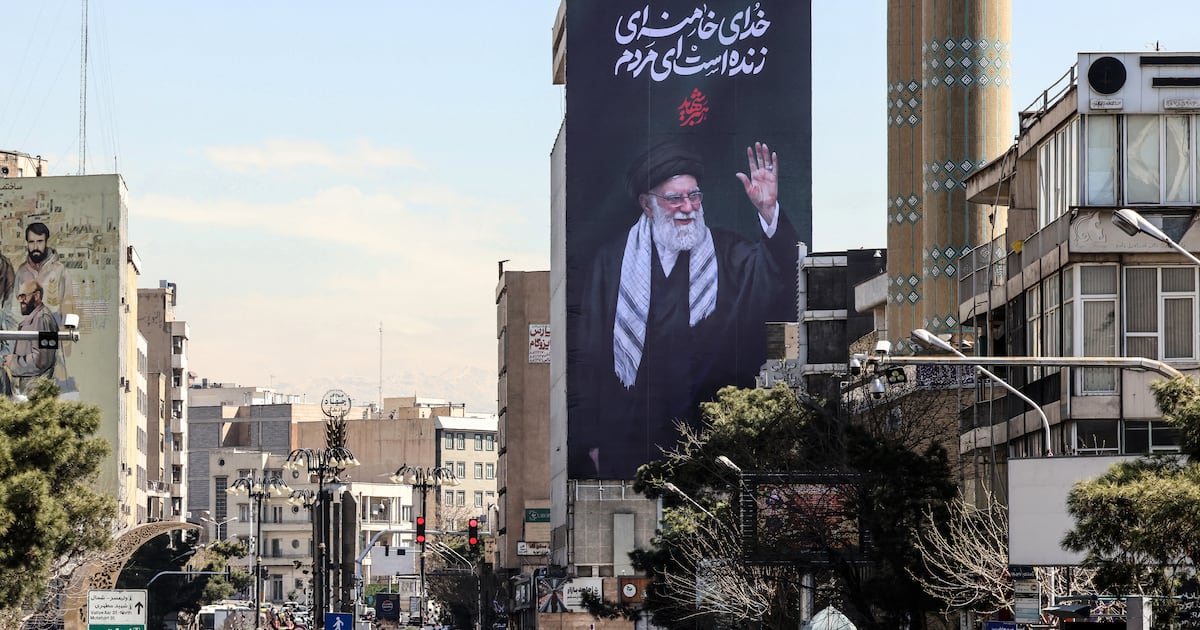
The conflict in Iran has intensified, with Israeli Prime Minister Binyamin Netanyahu advocating for regime change while the United States remains uncertain about its objectives. Following initial military successes in the ongoing war, Netanyahu asserted that the campaign aims to establish conditions for a new government in Iran. He dismissed American concerns about a prolonged conflict, stating, “You’re not going to have an endless war because … this terror regime in Iran is at its weakest point.”
Despite a broad consensus in Israel regarding the necessity for regime change, including support from Netanyahu’s political opponents, the U.S. administration is sending mixed signals. President Donald Trump has fluctuated in his public statements, sometimes endorsing regime change and at other times refraining from mentioning it. Key officials, including War Secretary Pete Hegseth and Secretary of State Marco Rubio, have focused on neutralizing Iranian military threats rather than explicitly stating regime change as a goal.
Israeli military operations are not limited to targeting senior government officials and military installations. Strikes are also directed at agencies responsible for domestic security and suppression of dissent, such as the Revolutionary Guard and police compounds. This strategy is intended to encourage public demonstrations against the Iranian government.
From Israel’s perspective, mass civilian casualties resulting from Iranian missile strikes could significantly shift public sentiment against the war. However, military assessments suggest that as Israeli forces continue to target launchers and missile sites, Iran’s capacity to inflict damage on Israel will decrease over time.
Trump’s calculations may differ significantly, especially with the midterm elections approaching. He faces several potential pressures: rising U.S. casualties, increasing domestic opposition to the war, rising economic costs, and growing calls for action from U.S. allies in the Gulf. The prospect of a “Venezuela scenario,” where a successor to Ayatollah Ali Khamenei accepts a modified nuclear deal that includes oil concessions, may tempt Trump to reconsider his approach. For Israel, such an agreement would be seen as a significant missed opportunity.
While some Iranians took to the streets to celebrate Khamenei’s death, larger protests akin to those that occurred in January have yet to materialize. Furthermore, there are no indications of defections from Iran’s armed forces, suggesting a resilient regime. Both Hamas and Hizbullah have endured severe military setbacks, indicating that Iran’s government might also withstand these challenges.
As the situation evolves, Washington may find itself compelled to devise an exit strategy that may not align with Israeli interests, reflecting the complex dynamics at play in this conflict. The unfolding events will continue to shape U.S.-Israeli relations and the broader geopolitical landscape in the region.

Mother Reveals Daughter’s Meningitis Seizure After Night Out

Major Oil Spill Disrupts Traffic in Donegal on March 16, 2026

Discovering Literature: The Joys of Rejoining a Public Library

Ted Season 2 Announced: Release Date & Trailer Updates Revealed

Research Ireland and UKRI Forge New Collaboration Agreement

David McGoldrick’s Impressive Scoring Streak Sparks World Cup Talk

Plane Crash Claims Lives of Publishing Heir, Pregnant Wife, and Pilot

Oscars Snub Brigitte Bardot Sparks Controversy Over In Memoriam

Meta Plans Major Layoffs to Offset Rising AI Investment Costs

Tributes Surge for 9-Year-Old Leon Briody After Cancer Battle

Aimee Osbourne Joins Family for Emotional Tribute to Ozzy

Danny Healy-Rae Considers Complaint After Altercation with Garda

Hawaii Commemorates 80 Years Since Hiroshima Bombing with Ceremony

Ireland Enjoys Summer Heat as Hurricane Erin Approaches Atlantic

Couple Convicted of Murdering Two-Year-Old Grandson in Wales

Gaza Aid Distribution Tragedy: 20 Killed Amid Ongoing Violence

Newcastle West Woman Patricia Foley Found Safe After Urgent Search

Fianna Fáil TDs Urgently Consider Maire Geoghegan-Quinn for Presidency
-
 Top Stories10 months ago
Tributes Surge for 9-Year-Old Leon Briody After Cancer Battle
-
 Entertainment12 months ago
Aimee Osbourne Joins Family for Emotional Tribute to Ozzy
-
 Politics12 months ago
Danny Healy-Rae Considers Complaint After Altercation with Garda
-
 World1 year ago
Hawaii Commemorates 80 Years Since Hiroshima Bombing with Ceremony
-
 Top Stories11 months ago
Ireland Enjoys Summer Heat as Hurricane Erin Approaches Atlantic
-
 World1 year ago
Couple Convicted of Murdering Two-Year-Old Grandson in Wales
-
 World1 year ago
Gaza Aid Distribution Tragedy: 20 Killed Amid Ongoing Violence
-
 Top Stories10 months ago
Newcastle West Woman Patricia Foley Found Safe After Urgent Search
-
 Top Stories1 year ago
Fianna Fáil TDs Urgently Consider Maire Geoghegan-Quinn for Presidency
-

 World1 year ago
Aristocrat Constance Marten and Partner Convicted of Infant Murder
-

 Top Stories12 months ago
Climbing Errigal: A Must-Do Summer Adventure in Donegal
-

 Top Stories12 months ago
Hike Donegal’s Errigal Mountain NOW for Unforgettable Summer Views