
Top Stories
EU Pushes Digital Euro to Counter U.S. Payment Dominance

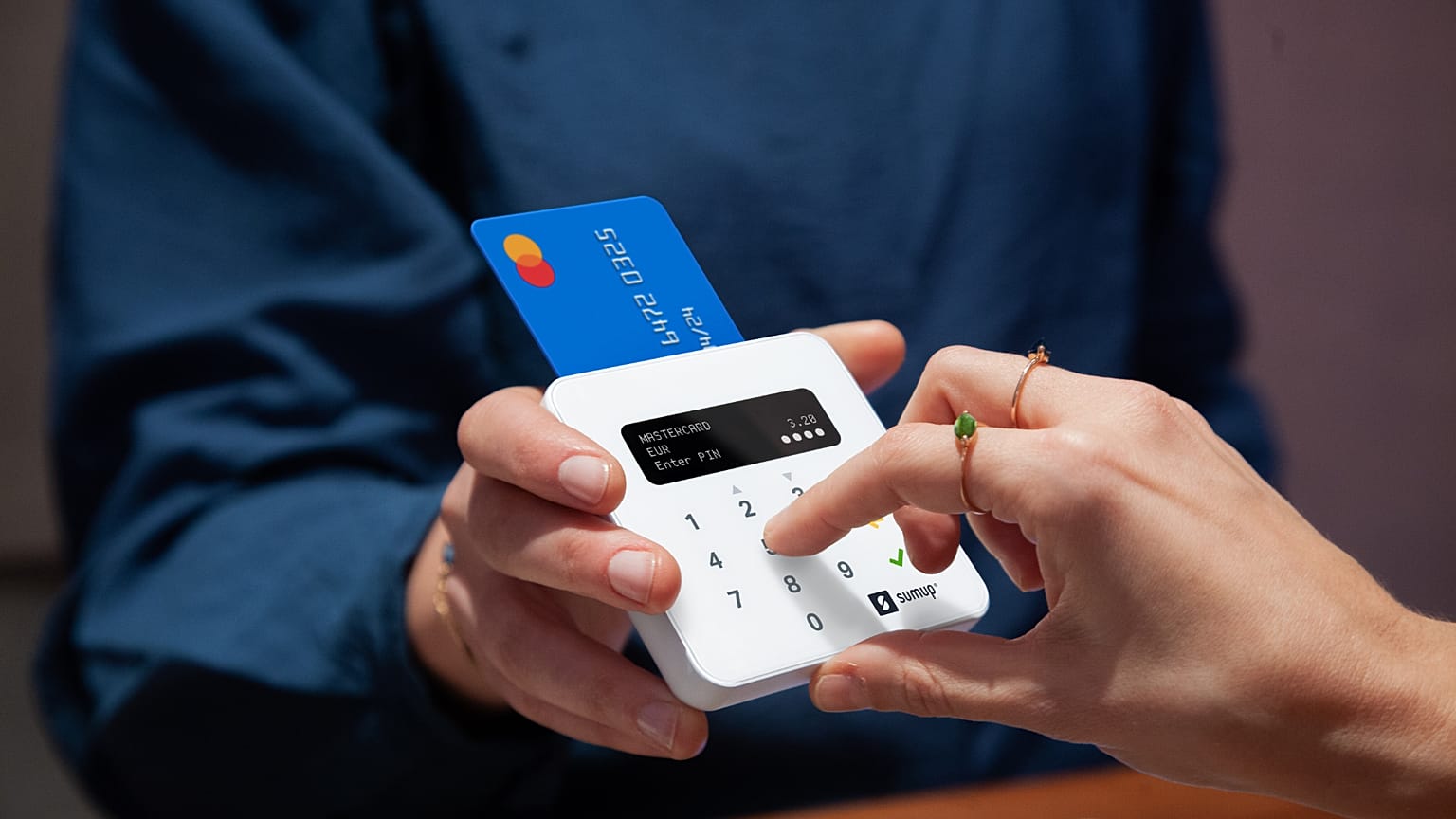
URGENT UPDATE: The European Union is advancing its most ambitious financial initiative yet—the digital euro—aimed at reclaiming payment sovereignty from U.S. giants like Visa and Mastercard. With 60% of European transactions currently processed through American platforms, EU officials are racing against time to implement this crucial measure in the wake of escalating trade tensions and geopolitical fragmentation.
The European Central Bank (ECB) has confirmed plans to launch a digital euro, which will be a central bank digital currency (CBDC) designed to function independently of commercial banks. Unlike cryptocurrencies like Bitcoin, this digital cash will maintain stable value and be recognized as legal tender, setting it apart from volatile stablecoins. The ECB aims to begin a pilot program in the second half of 2027, with a call for expressions of interest from European payment service providers expected in 2026.
Currently, the initiative is facing legislative hurdles. The European Commission introduced regulatory frameworks for the digital euro in June 2023, but progress has stalled. The EU Parliament has yet to adopt a negotiating position, and critical amendments have been blocked, stalling the legislative process essential for moving forward.
The stakes are high. Without a mandate from Parliament, trilogue negotiations cannot commence, and the ECB will be unable to issue any digital euros. Judith Arnal, a senior research fellow at CEPS, warns, “A bad diagnosis will lead to bad medicine,” criticizing the current narrative that oversimplifies the complexities of the payment landscape.
On the private side, initiatives like Wero, the pan-European wallet backed by major banks, are already operational in countries like France, Germany, and Belgium. Wero aims to enhance competition and provide an alternative to international payment schemes, which currently dominate the market. Ludovic Francesconi, Chief Strategy Officer of the European Payments Initiative (EPI), states, “A strong European solution increases competition and resilience, giving banks and merchants more choice.”
The proposed digital euro could pave the way for a public-private partnership, where both public initiatives and private innovations reinforce each other. However, Arnal identifies essential conditions for success, such as ensuring merchants find it more cost-effective than traditional cards and creating a seamless consumer experience.
As Europe strives to reclaim its payment landscape, the digital euro is not a panacea. It may destabilize bank deposits if poorly designed and faces significant legislative challenges. The future of Europe’s payment sovereignty relies on a layered approach, combining Wero for domestic transactions, Visa and Mastercard for international payments, and the digital euro as a public backstop supported by the ECB’s balance sheet.
This developing story highlights the urgent need for Europe to establish its payment sovereignty. As the political momentum behind the digital euro accelerates, private-sector initiatives are also gaining traction, indicating a pivotal shift in how Europe will navigate its financial future.

Mother Reveals Daughter’s Meningitis Seizure After Night Out

Major Oil Spill Disrupts Traffic in Donegal on March 16, 2026

Discovering Literature: The Joys of Rejoining a Public Library

Ted Season 2 Announced: Release Date & Trailer Updates Revealed

Research Ireland and UKRI Forge New Collaboration Agreement

David McGoldrick’s Impressive Scoring Streak Sparks World Cup Talk

Plane Crash Claims Lives of Publishing Heir, Pregnant Wife, and Pilot

Oscars Snub Brigitte Bardot Sparks Controversy Over In Memoriam

Meta Plans Major Layoffs to Offset Rising AI Investment Costs

Tributes Surge for 9-Year-Old Leon Briody After Cancer Battle

Aimee Osbourne Joins Family for Emotional Tribute to Ozzy

Danny Healy-Rae Considers Complaint After Altercation with Garda

Hawaii Commemorates 80 Years Since Hiroshima Bombing with Ceremony

Ireland Enjoys Summer Heat as Hurricane Erin Approaches Atlantic

Couple Convicted of Murdering Two-Year-Old Grandson in Wales

Gaza Aid Distribution Tragedy: 20 Killed Amid Ongoing Violence

Newcastle West Woman Patricia Foley Found Safe After Urgent Search

Fianna Fáil TDs Urgently Consider Maire Geoghegan-Quinn for Presidency
-
 Top Stories10 months ago
Tributes Surge for 9-Year-Old Leon Briody After Cancer Battle
-
 Entertainment12 months ago
Aimee Osbourne Joins Family for Emotional Tribute to Ozzy
-
 Politics12 months ago
Danny Healy-Rae Considers Complaint After Altercation with Garda
-
 World1 year ago
Hawaii Commemorates 80 Years Since Hiroshima Bombing with Ceremony
-
 Top Stories11 months ago
Ireland Enjoys Summer Heat as Hurricane Erin Approaches Atlantic
-
 World1 year ago
Couple Convicted of Murdering Two-Year-Old Grandson in Wales
-
 World1 year ago
Gaza Aid Distribution Tragedy: 20 Killed Amid Ongoing Violence
-
 Top Stories10 months ago
Newcastle West Woman Patricia Foley Found Safe After Urgent Search
-
 Top Stories1 year ago
Fianna Fáil TDs Urgently Consider Maire Geoghegan-Quinn for Presidency
-

 World1 year ago
Aristocrat Constance Marten and Partner Convicted of Infant Murder
-

 Top Stories12 months ago
Climbing Errigal: A Must-Do Summer Adventure in Donegal
-

 Top Stories12 months ago
Hike Donegal’s Errigal Mountain NOW for Unforgettable Summer Views