
Top Stories
Israel Supports Iranian-Kurdish Militias in Border Offensive

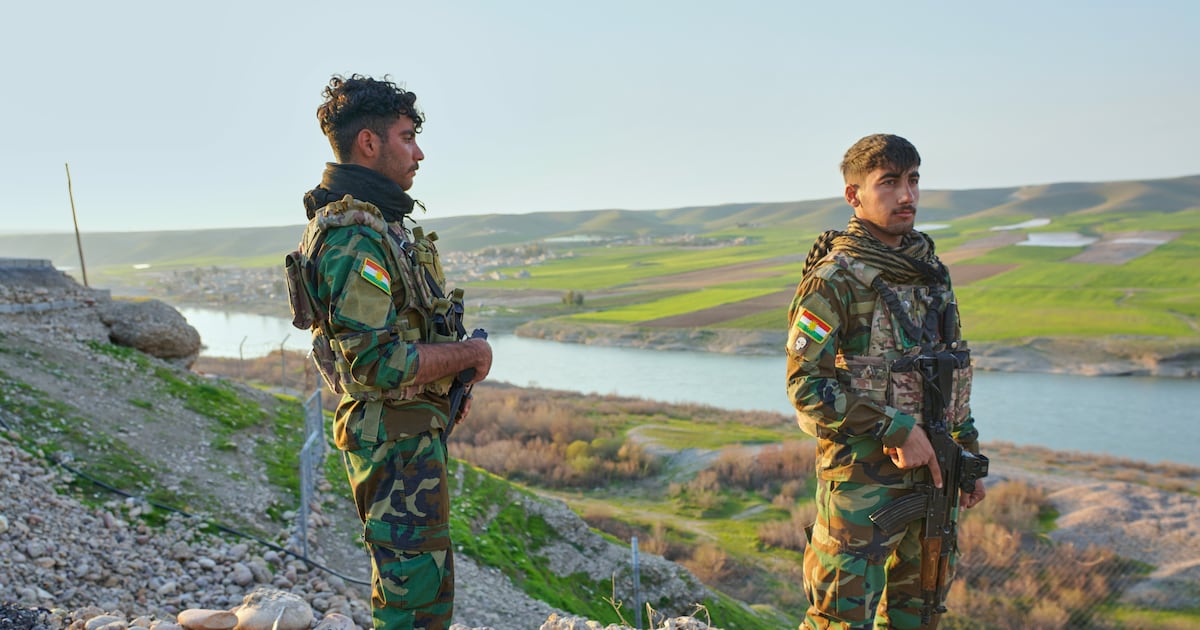
Israeli airstrikes in western Iran have reportedly targeted areas to assist Iranian-Kurdish militias aiming to capitalize on the ongoing conflict between the United States and Iran. According to three sources familiar with discussions between Israeli officials and Kurdish factions, these groups are planning to seize towns along the Iranian border. The situation gained traction following remarks from US President Donald Trump, who expressed support for a potential Kurdish incursion into Iran, stating it would be “wonderful” if they crossed the frontier.
The Kurdish factions, operating from Iraq, have been in consultation with US officials regarding potential strategies to engage Iran’s security forces. Two Iranian-Kurdish sources revealed that Israel has maintained discussions with Kurdish insurgent groups in the semi-autonomous region of Iraqi Kurdistan for approximately one year. An Israeli source confirmed the long-term nature of these conversations, though all sources spoke on the condition of anonymity.
While the Israeli government and military have not publicly commented on these engagements during the current conflict, the initial objective for the Kurdish factions appears to be the acquisition of Iranian territory. One Kurdish source mentioned specific targets, including the towns of Oshnavieh and Piranshahr. Reports indicate that thousands of Kurdish fighters are amassing on the Iraqi side of the border, preparing for a possible offensive within a week. Independent estimates suggest that these militias could number between 5,000 and 8,000, though they are primarily equipped with light arms.
Israel’s intention in supporting these Kurdish groups is not to facilitate a full-scale overthrow of the Iranian government but to weaken Iran’s influence in border regions and distract its Islamic Revolutionary Guard Corps. At the end of last month, five longstanding Iranian dissident groups formed an alliance, including the Kurdistan Free Life Party (PJAK), the Democratic Party of Iranian Kurdistan (PDKI), and the Kurdistan Freedom Party (PAK). These factions have previously engaged in insurgencies and maintain active fighters within Iraq.
The response from Iraqi Kurdistan’s leadership has been cautious. Despite external pressure, they have publicly denied any plans to send fighters into Iran. An Israeli source noted that without support from Iraqi Kurds, mobilizing Iranian Kurds would be difficult. There are also concerns regarding the duration of the conflict, which has led to hesitation among potential Kurdish insurgents.
Iran, meanwhile, has launched attacks against Kurdish armed groups inside Iraq and has warned Iraqi Kurdistan of retaliation if hostile forces are deployed along the border. The three sources indicated that Kurdish operatives within Iran have been providing intelligence on border areas to both the US and Israel.
Israeli analyst Jonathan Spyer emphasized that Israel aims to undermine the Iranian regime by any means necessary. However, Danny Citrinowicz, an expert on Iran and a former Israeli intelligence officer, expressed skepticism about the support for an insurgency among Iraqi and Iranian Kurds. He stated, “I think they’re all waiting to see if the regime will hold on or not.”
Regional dynamics complicate the situation further, with Turkish and Iraqi officials expressing reservations about supporting any Kurdish insurgency. Such support might inadvertently fuel nationalism among an ethnic group that spans Iraq, Turkey, Syria, and Iran.
Historically, Israel has cultivated discreet military, intelligence, and business relationships with various Kurdish factions since the 1960s, viewing them as important allies against shared adversaries. The two Iranian-Kurdish sources indicated that while their coordination with the US is stronger than with Israel, any offensive across the border would necessitate air support from both nations.
Discussions among Kurdish leaders have revealed concerns about potential abandonment, reminiscent of the fate of Kurdish groups in northern Syria who lost territory after their alliance with the US faltered. The Iranian-Kurdish leaders have reportedly sought guarantees from the US regarding their support, although specifics remain undisclosed.
Ultimately, these developments reflect a complex interplay of regional power dynamics, ethnic nationalism, and the strategic goals of both Israel and Kurdish militias in the context of Iran’s ongoing challenges. The situation remains fluid, with the potential for significant implications in the region as the Kurdish factions pursue their objectives amid external pressures and internal considerations.

Mother Reveals Daughter’s Meningitis Seizure After Night Out

Major Oil Spill Disrupts Traffic in Donegal on March 16, 2026

Discovering Literature: The Joys of Rejoining a Public Library

Ted Season 2 Announced: Release Date & Trailer Updates Revealed

Research Ireland and UKRI Forge New Collaboration Agreement

David McGoldrick’s Impressive Scoring Streak Sparks World Cup Talk

Plane Crash Claims Lives of Publishing Heir, Pregnant Wife, and Pilot

Oscars Snub Brigitte Bardot Sparks Controversy Over In Memoriam

Meta Plans Major Layoffs to Offset Rising AI Investment Costs

Tributes Surge for 9-Year-Old Leon Briody After Cancer Battle

Aimee Osbourne Joins Family for Emotional Tribute to Ozzy

Danny Healy-Rae Considers Complaint After Altercation with Garda

Hawaii Commemorates 80 Years Since Hiroshima Bombing with Ceremony

Ireland Enjoys Summer Heat as Hurricane Erin Approaches Atlantic

Couple Convicted of Murdering Two-Year-Old Grandson in Wales

Gaza Aid Distribution Tragedy: 20 Killed Amid Ongoing Violence

Newcastle West Woman Patricia Foley Found Safe After Urgent Search

Fianna Fáil TDs Urgently Consider Maire Geoghegan-Quinn for Presidency
-
 Top Stories10 months ago
Tributes Surge for 9-Year-Old Leon Briody After Cancer Battle
-
 Entertainment12 months ago
Aimee Osbourne Joins Family for Emotional Tribute to Ozzy
-
 Politics12 months ago
Danny Healy-Rae Considers Complaint After Altercation with Garda
-
 World1 year ago
Hawaii Commemorates 80 Years Since Hiroshima Bombing with Ceremony
-
 Top Stories11 months ago
Ireland Enjoys Summer Heat as Hurricane Erin Approaches Atlantic
-
 World1 year ago
Couple Convicted of Murdering Two-Year-Old Grandson in Wales
-
 World1 year ago
Gaza Aid Distribution Tragedy: 20 Killed Amid Ongoing Violence
-
 Top Stories10 months ago
Newcastle West Woman Patricia Foley Found Safe After Urgent Search
-
 Top Stories1 year ago
Fianna Fáil TDs Urgently Consider Maire Geoghegan-Quinn for Presidency
-

 World1 year ago
Aristocrat Constance Marten and Partner Convicted of Infant Murder
-

 Top Stories12 months ago
Climbing Errigal: A Must-Do Summer Adventure in Donegal
-

 Top Stories12 months ago
Hike Donegal’s Errigal Mountain NOW for Unforgettable Summer Views