
World
Iran Appoints Hardliner Mojtaba Khamenei as New Supreme Leader

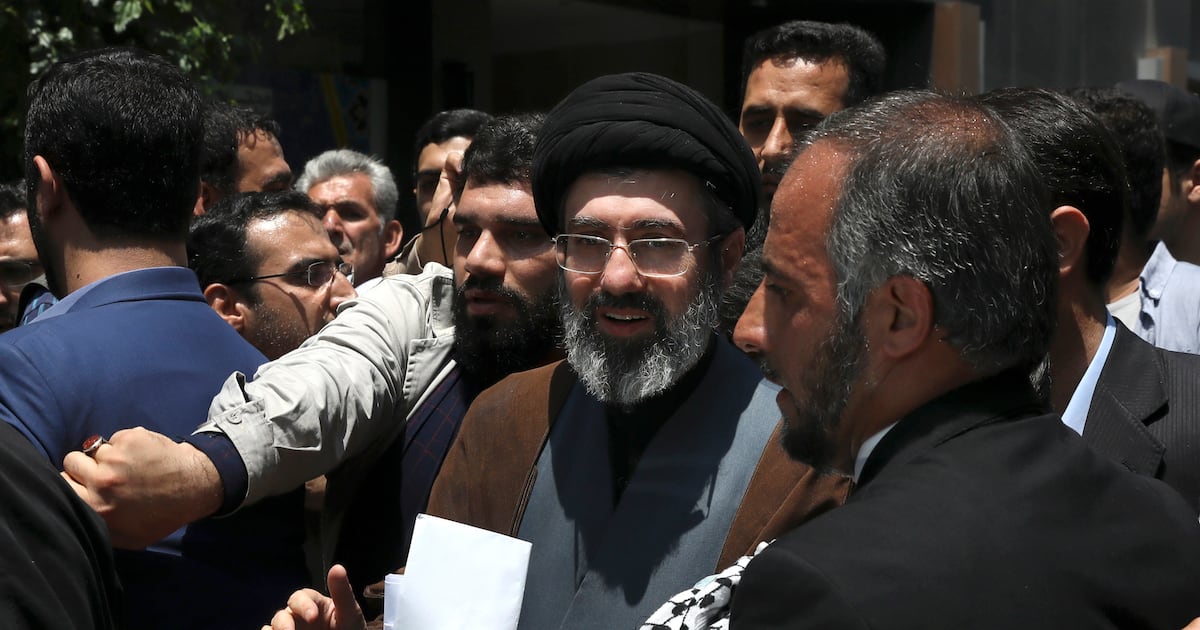
Iran has reportedly selected **Mojtaba Khamenei** as the country’s new supreme leader following the death of his father, **Ayatollah Ali Khamenei**, who was killed by Israeli forces on **February 28, 2025**. This decision comes under the influence of the **Islamic Revolutionary Guards**, indicating a shift towards a more hardline leadership. The **88-member Assembly of Experts** conferred remotely last week to make the choice, which critics argue reinforces concerns over hereditary rule and the clerical qualifications of the new leader.
Mojtaba Khamenei is expected to uphold the conservative policies established by the Islamic Republic’s founder, **Ayatollah Ruhollah Khomeini**, and his late father. As tensions rise, the push for an early inauguration of Khamenei has intensified, with significant political implications for Iran’s governance.
US President **Donald Trump** has publicly denounced Mojtaba Khamenei as “unacceptable” and has asserted that the United States holds the right to designate a new leader for Iran. On social media, the Israeli military declared its intent to “pursue every successor and every person who seeks to appoint a successor.” This backdrop of escalating conflict has seen the US-Israel war against Iran enter its second week, with no indication of capitulation from Tehran.
In a stark contrast to the hardline stance, **Masoud Pezeshkian**, Iran’s reformist president, has dismissed Trump’s demands for “unconditional surrender” as unrealistic. Pezeshkian emphasized Iran’s long-standing cultural heritage, asserting that the nation has a history spanning **6,000 years** and a strong sense of identity in the face of external challenges.
The Iranian regime has retaliated against Israel and Gulf states hosting US military bases with drone and missile attacks. Recent incidents include strikes on facilities in **Oman, Bahrain, Kuwait, Qatar, Saudi Arabia**, and the **United Arab Emirates**. Pezeshkian’s assertion that Iran would not target these Gulf nations if they refused US military cooperation drew swift backlash from hardliners and military factions, who favor a more aggressive approach.
**Gholam‐Hossein Mohseni‐Ejei**, the judiciary chief and member of the leadership council, stated that “intense attacks” on US facilities in the Gulf are ongoing and aligned with the government’s strategy. He affirmed that all sectors of the Iranian system are unified in this approach.
Iran’s local allies in **Iraq** have also escalated their actions, targeting the US embassy in **Baghdad**, oil facilities, and military bases in **Erbil**, the capital of Iraq’s Kurdish region. A drone strike in **Bahrain** recently damaged a water desalination plant, while an Emirati-flagged tugboat was sunk in the strategic **Strait of Hormuz**, a vital corridor for global oil supply.
Tensions have further escalated as **Hizbullah** in **Lebanon** has launched missile attacks into Israel, prompting military responses from Tel Aviv. The conflict has resulted in significant casualties, with reports indicating at least **300 Lebanese deaths** and **95,000 displaced** during the ongoing hostilities.
The US continues to assert that the objectives of its military operations against Iran center on countering threats to US interests and fostering a transformation within the Iranian regime. Washington aims to dismantle Iran’s offensive missile capabilities, naval forces, and security agencies while preventing the development of nuclear weapons.
Despite Trump’s calls for regime change, a classified report from the **US National Intelligence Council** suggests that a large-scale assault on Iran would likely fail to dislodge the entrenched military and clerical establishment. The report indicates that simply removing the top figure is insufficient for instigating a change in governance.
The complexities of the situation evoke memories of the US invasion of **Iraq** in 2003, which led to chaos and the rise of the **Islamic State**. In that instance, the vacuum created by the removal of **Saddam Hussein** allowed for extremist groups to flourish, leading the US to engage in years of conflict to stabilize the region.
As Iran navigates this turbulent landscape, the implications of Mojtaba Khamenei’s ascension to supreme leader will undoubtedly shape the future of both domestic and international relations, potentially redefining the political landscape of the Middle East for years to come.

Mother Reveals Daughter’s Meningitis Seizure After Night Out

Major Oil Spill Disrupts Traffic in Donegal on March 16, 2026

Discovering Literature: The Joys of Rejoining a Public Library

Ted Season 2 Announced: Release Date & Trailer Updates Revealed

Research Ireland and UKRI Forge New Collaboration Agreement

David McGoldrick’s Impressive Scoring Streak Sparks World Cup Talk

Plane Crash Claims Lives of Publishing Heir, Pregnant Wife, and Pilot

Oscars Snub Brigitte Bardot Sparks Controversy Over In Memoriam

Meta Plans Major Layoffs to Offset Rising AI Investment Costs

Tributes Surge for 9-Year-Old Leon Briody After Cancer Battle

Aimee Osbourne Joins Family for Emotional Tribute to Ozzy

Danny Healy-Rae Considers Complaint After Altercation with Garda

Hawaii Commemorates 80 Years Since Hiroshima Bombing with Ceremony

Ireland Enjoys Summer Heat as Hurricane Erin Approaches Atlantic

Couple Convicted of Murdering Two-Year-Old Grandson in Wales

Gaza Aid Distribution Tragedy: 20 Killed Amid Ongoing Violence

Newcastle West Woman Patricia Foley Found Safe After Urgent Search

Fianna Fáil TDs Urgently Consider Maire Geoghegan-Quinn for Presidency
-
 Top Stories10 months ago
Tributes Surge for 9-Year-Old Leon Briody After Cancer Battle
-
 Entertainment12 months ago
Aimee Osbourne Joins Family for Emotional Tribute to Ozzy
-
 Politics12 months ago
Danny Healy-Rae Considers Complaint After Altercation with Garda
-
 World1 year ago
Hawaii Commemorates 80 Years Since Hiroshima Bombing with Ceremony
-
 Top Stories11 months ago
Ireland Enjoys Summer Heat as Hurricane Erin Approaches Atlantic
-
 World1 year ago
Couple Convicted of Murdering Two-Year-Old Grandson in Wales
-
 World1 year ago
Gaza Aid Distribution Tragedy: 20 Killed Amid Ongoing Violence
-
 Top Stories10 months ago
Newcastle West Woman Patricia Foley Found Safe After Urgent Search
-
 Top Stories1 year ago
Fianna Fáil TDs Urgently Consider Maire Geoghegan-Quinn for Presidency
-

 World1 year ago
Aristocrat Constance Marten and Partner Convicted of Infant Murder
-

 Top Stories12 months ago
Climbing Errigal: A Must-Do Summer Adventure in Donegal
-

 Top Stories12 months ago
Hike Donegal’s Errigal Mountain NOW for Unforgettable Summer Views