
Business
Crypto Ownership Surges Across Europe as Investment Interest Grows

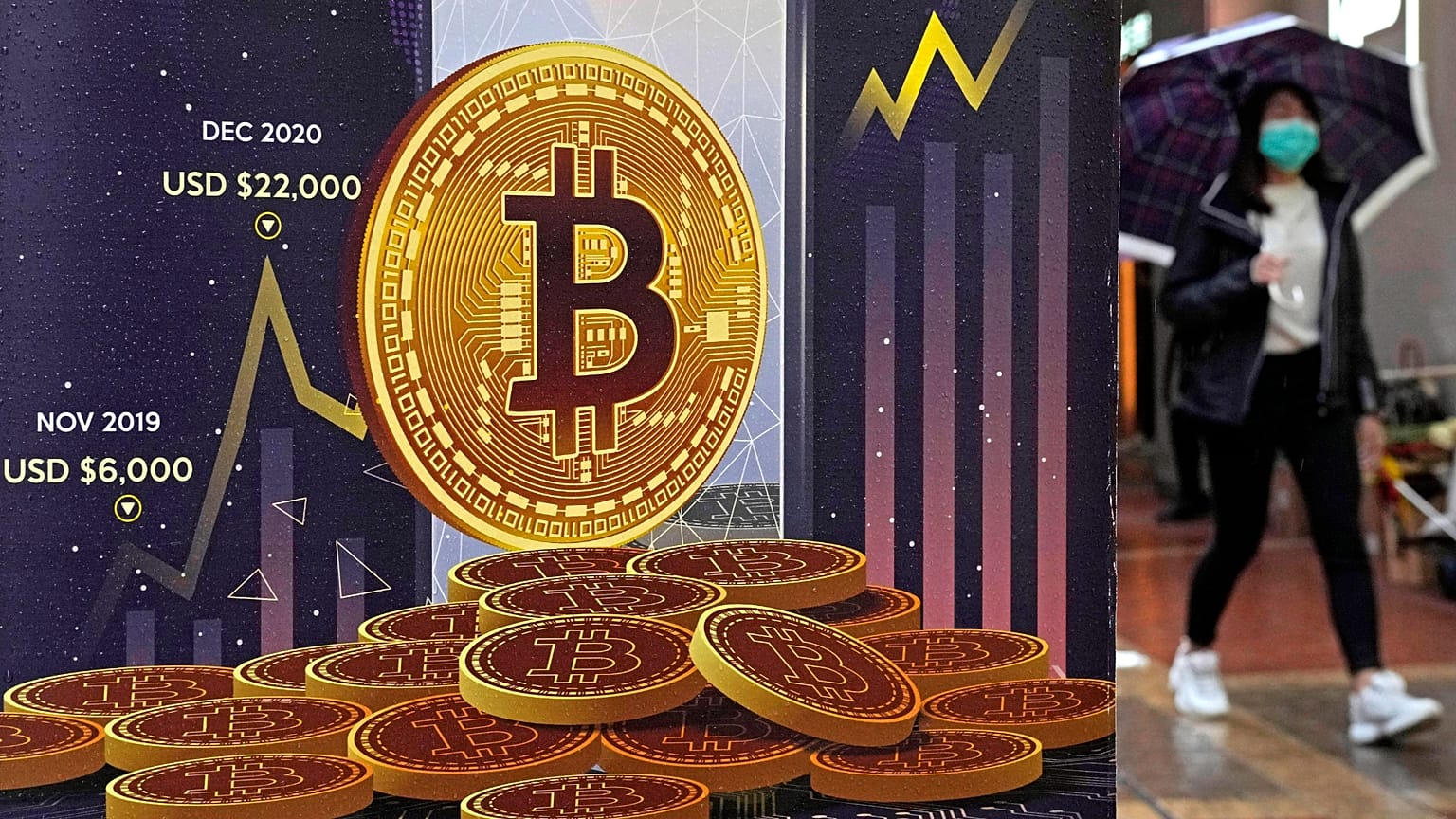
Interest in cryptocurrency continues to rise across Europe, with more than 90% of adults aged 18 and over in major European economies aware of crypto-assets. This finding is reported in the ‘Web3 Industry in France and Europe’ study by Adan, which highlights a growing trend despite the volatility experienced in 2025. Ownership of these digital assets is increasing steadily, indicating a significant shift in investment attitudes among European consumers.
According to a recent survey conducted by the European Central Bank, 9% of adults in the eurozone owned crypto-assets in 2024. Ownership rates vary across the region, with Slovenia leading at 15%, followed closely by Greece and several other nations, including Ireland and Croatia, which share lower but notable figures. Notably, the differences in ownership rates among the 20 eurozone countries are generally modest, suggesting a widespread acceptance of cryptocurrencies.
Understanding the Rise in Ownership
The growth in crypto ownership can be attributed to various factors, according to James Sullivan, chief risk and compliance officer at BCB Group. He explains that differences in ownership shares often stem from a combination of digital adoption, risk appetite, and local market structures. Countries characterized by high financial innovation and a younger, predominantly male investor demographic tend to lead in crypto adoption. Local regulatory frameworks and economic conditions also play crucial roles.
For instance, in nations with limited traditional investment options, cryptocurrencies may be viewed as speculative opportunities. Strong awareness campaigns, such as those implemented in Italy, have further stimulated interest in these assets. The UK, while not part of the eurozone, continues to exhibit substantial transaction volumes, ranking third globally behind the United States and India as of 2024.
Ownership of crypto-assets more than doubled across the eurozone from 2022 to 2024, rising from 4% to 9%. Greece and Lithuania recorded the most significant increases, each experiencing a surge of 10 percentage points. Other countries, including Cyprus, Belgium, Ireland, Austria, and Italy, also reported notable ownership growth.
Investment as the Primary Motivation
Investment remains the predominant reason for engaging with cryptocurrencies in the eurozone. Approximately 64% of crypto holders reported using these assets primarily for investment purposes, while only 16% utilize them for payments. An additional 19% indicated that they employ crypto for both investment and payment. The Netherlands boasts the highest percentage of investment-focused users at 90%, followed closely by Germany at 82%. In contrast, France leads in payment usage, with 25% of holders using crypto for transactions.
Sullivan notes that this divergence highlights the speculative nature of the crypto market, where investment remains the primary focus. Although cryptocurrencies, particularly stablecoins, offer potential transactional benefits, their adoption for everyday purchases has not yet gained significant traction. Traditional methods, such as credit cards and cash, continue to dominate consumer preferences.
The long-term shift towards greater utility in cryptocurrencies will heavily depend on the successful implementation of the Markets in Crypto-Assets (MiCA) regulation. This regulation aims to provide uniform EU market rules for crypto-assets, which currently fall outside existing financial services legislation. By establishing a regulatory framework, MiCA seeks to enhance consumer trust and attract new investors who have previously been hesitant to engage with cryptocurrencies.
Sullivan emphasizes that the resurgence of retail interest in cryptocurrencies indicates a recovering market sentiment, moving away from the challenges of previous years. He attributes this renewed confidence to global market momentum and the protective measures introduced by MiCA, which signal the EU’s recognition of cryptocurrencies as a mainstream investment.
As Europe navigates the evolving landscape of cryptocurrency ownership, the combination of regulatory support and growing consumer interest suggests a promising future for digital assets in the region.

Mother Reveals Daughter’s Meningitis Seizure After Night Out

Major Oil Spill Disrupts Traffic in Donegal on March 16, 2026

Discovering Literature: The Joys of Rejoining a Public Library

Ted Season 2 Announced: Release Date & Trailer Updates Revealed

Research Ireland and UKRI Forge New Collaboration Agreement

David McGoldrick’s Impressive Scoring Streak Sparks World Cup Talk

Plane Crash Claims Lives of Publishing Heir, Pregnant Wife, and Pilot

Oscars Snub Brigitte Bardot Sparks Controversy Over In Memoriam

Meta Plans Major Layoffs to Offset Rising AI Investment Costs

Tributes Surge for 9-Year-Old Leon Briody After Cancer Battle

Aimee Osbourne Joins Family for Emotional Tribute to Ozzy

Danny Healy-Rae Considers Complaint After Altercation with Garda

Hawaii Commemorates 80 Years Since Hiroshima Bombing with Ceremony

Ireland Enjoys Summer Heat as Hurricane Erin Approaches Atlantic

Couple Convicted of Murdering Two-Year-Old Grandson in Wales

Gaza Aid Distribution Tragedy: 20 Killed Amid Ongoing Violence

Newcastle West Woman Patricia Foley Found Safe After Urgent Search

Fianna Fáil TDs Urgently Consider Maire Geoghegan-Quinn for Presidency
-
 Top Stories12 months ago
Tributes Surge for 9-Year-Old Leon Briody After Cancer Battle
-
 Entertainment1 year ago
Aimee Osbourne Joins Family for Emotional Tribute to Ozzy
-
 Politics1 year ago
Danny Healy-Rae Considers Complaint After Altercation with Garda
-
 World1 year ago
Hawaii Commemorates 80 Years Since Hiroshima Bombing with Ceremony
-
 Top Stories1 year ago
Ireland Enjoys Summer Heat as Hurricane Erin Approaches Atlantic
-
 World1 year ago
Couple Convicted of Murdering Two-Year-Old Grandson in Wales
-
 World1 year ago
Gaza Aid Distribution Tragedy: 20 Killed Amid Ongoing Violence
-
 Top Stories11 months ago
Newcastle West Woman Patricia Foley Found Safe After Urgent Search
-
 Top Stories1 year ago
Fianna Fáil TDs Urgently Consider Maire Geoghegan-Quinn for Presidency
-

 World1 year ago
Aristocrat Constance Marten and Partner Convicted of Infant Murder
-

 Top Stories1 year ago
Climbing Errigal: A Must-Do Summer Adventure in Donegal
-

 Top Stories1 year ago
Hike Donegal’s Errigal Mountain NOW for Unforgettable Summer Views