
Business
Discover How Slow Interiors Can Save You Money and Stress

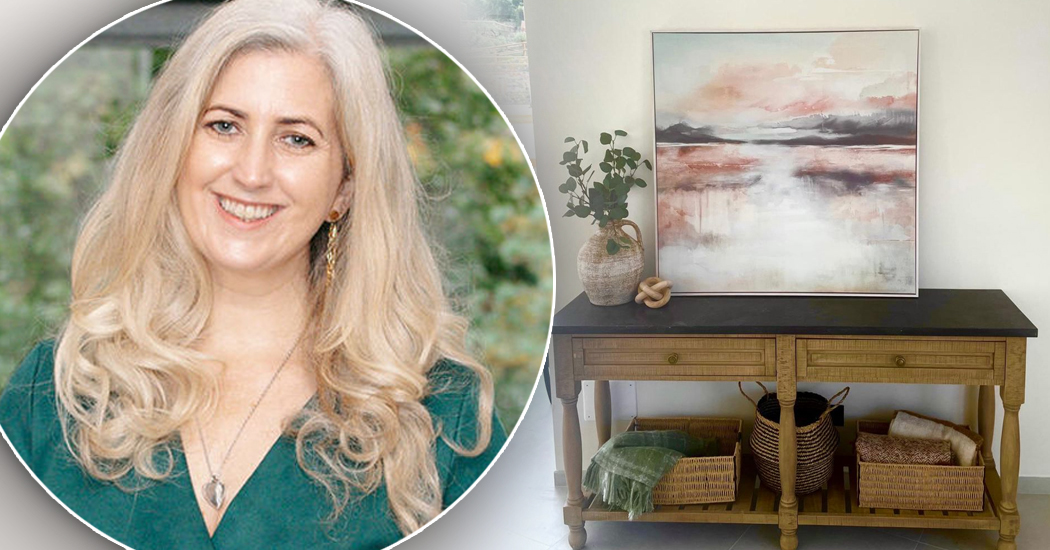
The concept of “slow interiors” is gaining traction, emphasizing a thoughtful approach to home decor that prioritizes long-term satisfaction over immediate gratification. Elaine FitzGerald, an interior designer at Eyra Interiors, shares insights on why taking the time to curate your living space can ultimately save you money and lead to a more cohesive home environment.
Understanding Slow Interiors
Slow interiors encourage homeowners to avoid rushing into decor decisions. Instead of feeling pressured to complete a home before moving in, the philosophy suggests that individuals should take their time to thoughtfully select decor items. FitzGerald points out that homes which feel well put together often reflect years of gradual evolution, rather than a hurried assembly of furnishings.
The modern world bombards us with images of idealized homes, creating unrealistic expectations. “For every beautifully curated image you see online, there is a mess or even just emptiness behind the camera,” FitzGerald notes. Rather than succumbing to the pressure of having everything in place upon move-in, she advocates for a more measured approach.
The Financial Benefits of Slow Curating
FitzGerald highlights the financial wisdom behind slow interiors. Instant purchases can lead to regrettable decisions, with the saying “buy cheap, buy twice” serving as a cautionary reminder. By living in a space for a while, homeowners can better understand their needs and invest in pieces they truly love, ensuring long-term enjoyment and utility.
“I always recommend living in the space for a while to see how you use it,” she explains. This allows for informed decisions about what to keep and what to invest in, whether that be a bedside table, a piece of art, or dining chairs. By embracing this philosophy, individuals can avoid unnecessary spending and ultimately create a more personalized living environment.
FitzGerald encourages homeowners to utilize what they already have while searching for the perfect additions. This method not only alleviates immediate financial stress but also fosters a sense of ownership and connection to the space.
Embracing Change Over Time
Just like people, homes evolve through various life stages. Families grow, children become teenagers, and the dynamics of living arrangements shift. FitzGerald emphasizes the importance of adapting home decor to reflect these changes. “Our homes, just like ourselves, are ever evolving,” she states.
As individuals navigate different life phases, it is natural to add or remove elements from their homes. This adaptability underscores the value of a slow interior approach, where decor decisions align with personal growth and changing circumstances.
In conclusion, FitzGerald advocates for a relaxed attitude towards home decor. By putting aside the urge for immediate fulfillment and embracing a gradual approach, homeowners can cultivate spaces that genuinely reflect their identities. “Relax, stick the credit card in the freezer and enjoy your home,” she advises. After all, a home is meant to be a sanctuary, not just a showcase.
For more information or design inquiries, Eyra Interiors is currently accepting bookings for 2026. Interested individuals can reach out to FitzGerald directly at [email protected]. Follow her on social media for design tips and inspiration.

Mother Reveals Daughter’s Meningitis Seizure After Night Out

Major Oil Spill Disrupts Traffic in Donegal on March 16, 2026

Discovering Literature: The Joys of Rejoining a Public Library

Ted Season 2 Announced: Release Date & Trailer Updates Revealed

Research Ireland and UKRI Forge New Collaboration Agreement

David McGoldrick’s Impressive Scoring Streak Sparks World Cup Talk

Plane Crash Claims Lives of Publishing Heir, Pregnant Wife, and Pilot

Oscars Snub Brigitte Bardot Sparks Controversy Over In Memoriam

Meta Plans Major Layoffs to Offset Rising AI Investment Costs

Tributes Surge for 9-Year-Old Leon Briody After Cancer Battle

Aimee Osbourne Joins Family for Emotional Tribute to Ozzy

Danny Healy-Rae Considers Complaint After Altercation with Garda

Hawaii Commemorates 80 Years Since Hiroshima Bombing with Ceremony

Ireland Enjoys Summer Heat as Hurricane Erin Approaches Atlantic

Couple Convicted of Murdering Two-Year-Old Grandson in Wales

Gaza Aid Distribution Tragedy: 20 Killed Amid Ongoing Violence

Newcastle West Woman Patricia Foley Found Safe After Urgent Search

Fianna Fáil TDs Urgently Consider Maire Geoghegan-Quinn for Presidency
-
 Top Stories10 months ago
Tributes Surge for 9-Year-Old Leon Briody After Cancer Battle
-
 Entertainment12 months ago
Aimee Osbourne Joins Family for Emotional Tribute to Ozzy
-
 Politics12 months ago
Danny Healy-Rae Considers Complaint After Altercation with Garda
-
 World12 months ago
Hawaii Commemorates 80 Years Since Hiroshima Bombing with Ceremony
-
 Top Stories11 months ago
Ireland Enjoys Summer Heat as Hurricane Erin Approaches Atlantic
-
 World12 months ago
Couple Convicted of Murdering Two-Year-Old Grandson in Wales
-
 World12 months ago
Gaza Aid Distribution Tragedy: 20 Killed Amid Ongoing Violence
-
 Top Stories10 months ago
Newcastle West Woman Patricia Foley Found Safe After Urgent Search
-
 Top Stories12 months ago
Fianna Fáil TDs Urgently Consider Maire Geoghegan-Quinn for Presidency
-

 World12 months ago
Aristocrat Constance Marten and Partner Convicted of Infant Murder
-

 Top Stories11 months ago
Climbing Errigal: A Must-Do Summer Adventure in Donegal
-

 Top Stories11 months ago
Hike Donegal’s Errigal Mountain NOW for Unforgettable Summer Views