
Business
Europe Faces Political Shake-Up as Elections Approach in 2026

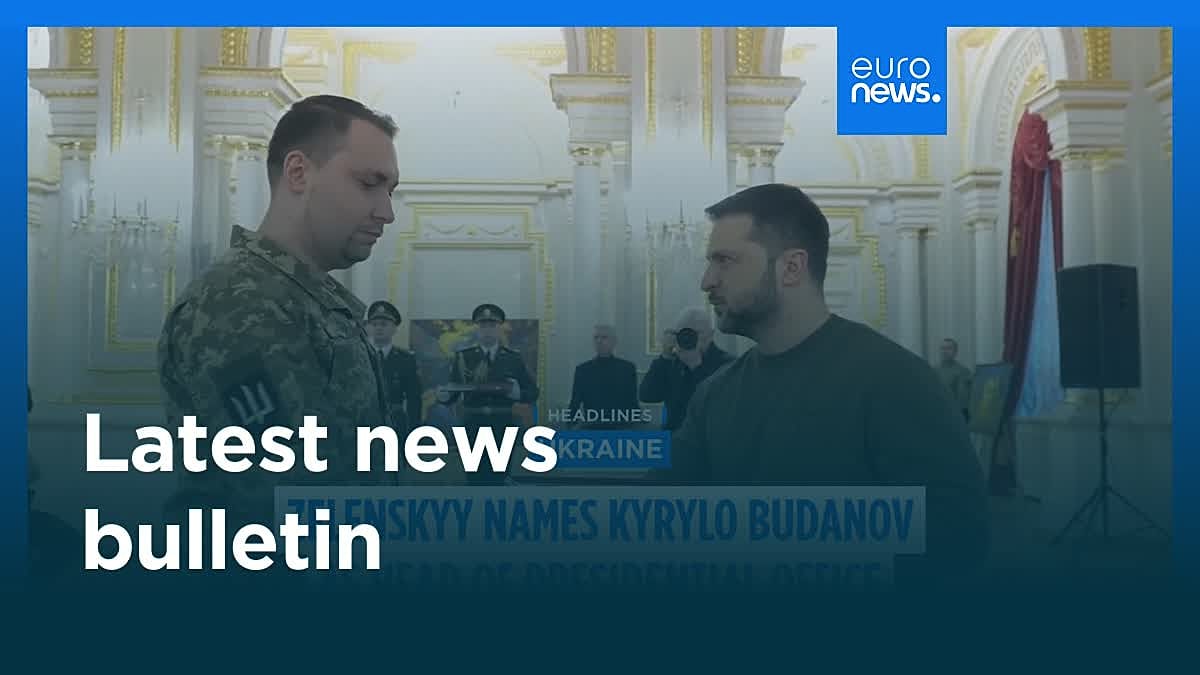
As Europe prepares for a series of critical elections in 2026, political dynamics are shifting significantly across member states. Voters in the European Union will have the opportunity to influence the future of the region through their participation in the European Parliament elections scheduled for June 2026. This pivotal moment could reshape the balance of power within the EU, especially as national governments grapple with various challenges.
In the United Kingdom, Prime Minister Rishi Sunak faces mounting pressure as public dissatisfaction grows over the government’s handling of the economy. Recent surveys indicate that his administration’s approval ratings have dipped to an all-time low, with only 32% of voters expressing confidence in his leadership. As the UK approaches its next general election, expected later this year, the outcome remains uncertain, with opposition parties gaining traction.
Across the Channel in France, President Emmanuel Macron is also navigating a turbulent political landscape. Following widespread protests over pension reforms, his administration is working to regain public trust. Macron’s government has announced plans to address economic concerns, aiming to connect more effectively with citizens. The upcoming regional elections in March could serve as a crucial indicator of his party’s support.
Italy’s political scene is no less vibrant, as Prime Minister Giorgia Meloni seeks to solidify her coalition government. Recent legislative changes and economic reforms have sparked debate, with critics arguing that her policies may not adequately address the needs of the Italian populace. The political climate is charged as Meloni prepares for the regional elections, which are seen as a litmus test for her administration’s popularity.
Economic Concerns Dominate Political Discourse
Economic issues are at the forefront of discussions in several European countries. Inflation rates have soared, leading to increased costs of living and widespread concern among citizens. In Germany, the government is implementing measures to combat rising energy prices, which have affected both households and businesses. Chancellor Olaf Scholz has announced a €200 billion support package aimed at easing the burden on consumers and stimulating economic growth.
These economic challenges are not isolated to Germany; they resonate throughout the continent. Many European nations are grappling with inflationary pressures, prompting calls for coordinated action within the EU. Analysts predict that economic performance will heavily influence voter decisions in the upcoming elections, making it a crucial issue for all political parties.
In a related development, the European Central Bank is expected to announce further interest rate adjustments in response to ongoing inflation. This decision could have far-reaching implications for borrowing costs and consumer spending across the region.
Geopolitical Tensions and Their Impact on Elections
Geopolitical tensions also loom large over the electoral landscape. The ongoing conflict in Ukraine continues to shape discussions around security and defense in Europe. Leaders are faced with the challenge of balancing national interests with collective security commitments to NATO.
The EU’s relationship with Russia remains strained, with sanctions still in place following the invasion of Ukraine. Member states are increasingly concerned about energy security, prompting discussions on alternative energy sources and strategies to reduce dependence on Russian gas.
As the elections approach, candidates from various parties are expected to address these geopolitical issues, offering their visions for Europe’s future. The electoral contests in 2026 could determine how effectively the EU responds to these challenges.
In summary, as Europe stands on the brink of significant political change, the interplay between economic concerns, geopolitical tensions, and public sentiment will shape the outcomes of the upcoming elections. With critical decisions looming, citizens across the continent are preparing to make their voices heard.

Mother Reveals Daughter’s Meningitis Seizure After Night Out

Major Oil Spill Disrupts Traffic in Donegal on March 16, 2026

Discovering Literature: The Joys of Rejoining a Public Library

Ted Season 2 Announced: Release Date & Trailer Updates Revealed

Research Ireland and UKRI Forge New Collaboration Agreement

David McGoldrick’s Impressive Scoring Streak Sparks World Cup Talk

Plane Crash Claims Lives of Publishing Heir, Pregnant Wife, and Pilot

Oscars Snub Brigitte Bardot Sparks Controversy Over In Memoriam

Meta Plans Major Layoffs to Offset Rising AI Investment Costs

Tributes Surge for 9-Year-Old Leon Briody After Cancer Battle

Aimee Osbourne Joins Family for Emotional Tribute to Ozzy

Danny Healy-Rae Considers Complaint After Altercation with Garda

Hawaii Commemorates 80 Years Since Hiroshima Bombing with Ceremony

Ireland Enjoys Summer Heat as Hurricane Erin Approaches Atlantic

Couple Convicted of Murdering Two-Year-Old Grandson in Wales

Gaza Aid Distribution Tragedy: 20 Killed Amid Ongoing Violence

Newcastle West Woman Patricia Foley Found Safe After Urgent Search

Fianna Fáil TDs Urgently Consider Maire Geoghegan-Quinn for Presidency
-
 Top Stories12 months ago
Tributes Surge for 9-Year-Old Leon Briody After Cancer Battle
-
 Entertainment1 year ago
Aimee Osbourne Joins Family for Emotional Tribute to Ozzy
-
 Politics1 year ago
Danny Healy-Rae Considers Complaint After Altercation with Garda
-
 World1 year ago
Hawaii Commemorates 80 Years Since Hiroshima Bombing with Ceremony
-
 Top Stories1 year ago
Ireland Enjoys Summer Heat as Hurricane Erin Approaches Atlantic
-
 World1 year ago
Couple Convicted of Murdering Two-Year-Old Grandson in Wales
-
 World1 year ago
Gaza Aid Distribution Tragedy: 20 Killed Amid Ongoing Violence
-
 Top Stories12 months ago
Newcastle West Woman Patricia Foley Found Safe After Urgent Search
-
 Top Stories1 year ago
Fianna Fáil TDs Urgently Consider Maire Geoghegan-Quinn for Presidency
-

 World1 year ago
Aristocrat Constance Marten and Partner Convicted of Infant Murder
-

 Top Stories1 year ago
Climbing Errigal: A Must-Do Summer Adventure in Donegal
-

 Top Stories1 year ago
Hike Donegal’s Errigal Mountain NOW for Unforgettable Summer Views