
Business
Irish Horse Racing Faces Crisis as Costs Soar and Prize Money Stagnates

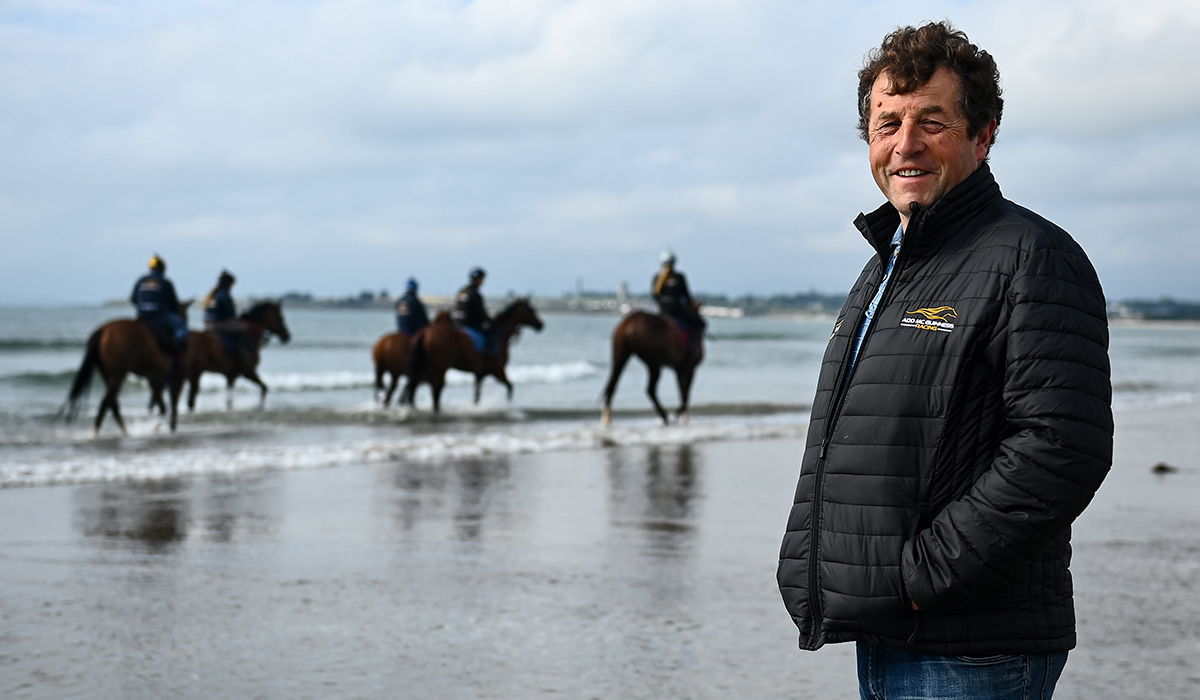
The Irish horse racing industry is grappling with a significant crisis, according to insiders who warn that rising costs and stagnant prize money are pushing smaller trainers to the brink of collapse. With the Government’s contribution to racing remaining at €79.3 million and a total of €99.1 million allocated to the Horse and Greyhound Racing Fund, the sustainability of the industry is at risk.
A substantial portion of this funding, approximately €26.43 million, is designated for prize money across about 3,000 professional horse races. However, many in the industry believe these figures are insufficient to support the increasing operational costs that trainers face.
Declining Numbers and Financial Strain
The number of professional trainers in Ireland has decreased sharply, falling by 25% from 395 to 295 since 2023, as reported by the Irish Horseracing Regulatory Board. Ado McGuinness, chairman of the Irish Racehorse Trainers Association (IRTA), expressed concern that smaller trainers are likely to “disappear” if there is no increase in prize money. He noted that ongoing discussions with Horse Racing Ireland (HRI) aim to address this issue, but frustration remains over the Government’s decision to freeze prize money allocations.
The escalating costs of maintaining a racing yard—driven by rising energy prices, staff wages, feed, and insurance—are further exacerbating the situation. Trainers typically receive around 7% of the prize money, meaning a win in a €100,000 race yields only about €7,000 for them. The majority of this money is reinvested into the care and training of the horses, which can cost around €20,000 per year per horse according to the Association of Irish Racehorse Owners.
Noel Meade, a prominent trainer from County Meath who ranks fifth in the National Hunt trainers’ standings, criticized the Government for not raising prize money, stating it is currently lower than it was fifteen years ago. He pointed out that in 2008, prize money was €60.4 million, which would equate to approximately €85.4 million to €90 million today when adjusted for inflation.
The Impact on Smaller Trainers
Trainers like Eoin McCarthy from Limerick voiced similar concerns, describing the industry as “more surviving than thriving.” He pointed out that the high costs and the freeze on prize money are making the sport less appealing to potential horse owners, thereby stifling recruitment. McCarthy highlighted a significant disparity between larger and smaller stables, noting that top trainers like Gordon Elliott and Willie Mullins dominate the prize pool, collectively winning around 44% of the total money available.
Recent changes by HRI include scheduling a series of 60 races this year specifically for trainers with fewer than 50 National Hunt winners, effectively sidelining the top four trainers and sparking potential legal actions. McCarthy, who has 40 horses in training, has seen peers being forced out of the industry, leading to staff layoffs and increased workloads for remaining trainers.
The current financial strain has prompted some smaller trainers to lower their fees in a bid to retain owners, a move that McGuinness argues is detrimental to the industry’s health. He believes that trainers need to diversify their operations to maintain financial viability, potentially exploring avenues such as breeding horses or renting out facilities.
While the Irish racing infrastructure continues to develop, with plans for a new all-weather track in Tipperary set to open in 2027, many industry figures question the necessity of expanding racing events. Meade argues that the overcrowded racing schedule dilutes prize money and reduces its overall value, which can lead to burnout among trainers and horses alike.
A spokesperson for the Department of Agriculture stated that up to 80% of the allocated funds are meant to support prize money, with at least 20% earmarked for welfare and integrity services within the sport.
As the Irish horse racing industry faces mounting pressure, the future remains uncertain for many trainers who are struggling to keep their operations afloat. The need for increased prize money and a reevaluation of the racing schedule is critical to ensuring the survival of this storied sport in Ireland.

Mother Reveals Daughter’s Meningitis Seizure After Night Out

Major Oil Spill Disrupts Traffic in Donegal on March 16, 2026

Discovering Literature: The Joys of Rejoining a Public Library

Ted Season 2 Announced: Release Date & Trailer Updates Revealed

Research Ireland and UKRI Forge New Collaboration Agreement

David McGoldrick’s Impressive Scoring Streak Sparks World Cup Talk

Plane Crash Claims Lives of Publishing Heir, Pregnant Wife, and Pilot

Oscars Snub Brigitte Bardot Sparks Controversy Over In Memoriam

Meta Plans Major Layoffs to Offset Rising AI Investment Costs

Tributes Surge for 9-Year-Old Leon Briody After Cancer Battle

Aimee Osbourne Joins Family for Emotional Tribute to Ozzy

Danny Healy-Rae Considers Complaint After Altercation with Garda

Hawaii Commemorates 80 Years Since Hiroshima Bombing with Ceremony

Ireland Enjoys Summer Heat as Hurricane Erin Approaches Atlantic

Couple Convicted of Murdering Two-Year-Old Grandson in Wales

Gaza Aid Distribution Tragedy: 20 Killed Amid Ongoing Violence

Newcastle West Woman Patricia Foley Found Safe After Urgent Search

Fianna Fáil TDs Urgently Consider Maire Geoghegan-Quinn for Presidency
-
 Top Stories12 months ago
Tributes Surge for 9-Year-Old Leon Briody After Cancer Battle
-
 Entertainment1 year ago
Aimee Osbourne Joins Family for Emotional Tribute to Ozzy
-
 Politics1 year ago
Danny Healy-Rae Considers Complaint After Altercation with Garda
-
 World1 year ago
Hawaii Commemorates 80 Years Since Hiroshima Bombing with Ceremony
-
 Top Stories1 year ago
Ireland Enjoys Summer Heat as Hurricane Erin Approaches Atlantic
-
 World1 year ago
Couple Convicted of Murdering Two-Year-Old Grandson in Wales
-
 World1 year ago
Gaza Aid Distribution Tragedy: 20 Killed Amid Ongoing Violence
-
 Top Stories11 months ago
Newcastle West Woman Patricia Foley Found Safe After Urgent Search
-
 Top Stories1 year ago
Fianna Fáil TDs Urgently Consider Maire Geoghegan-Quinn for Presidency
-

 World1 year ago
Aristocrat Constance Marten and Partner Convicted of Infant Murder
-

 Top Stories1 year ago
Climbing Errigal: A Must-Do Summer Adventure in Donegal
-

 Top Stories1 year ago
Hike Donegal’s Errigal Mountain NOW for Unforgettable Summer Views