
Business
New US Trade Investigations Could Impact Taoiseach’s St Patrick’s Visit

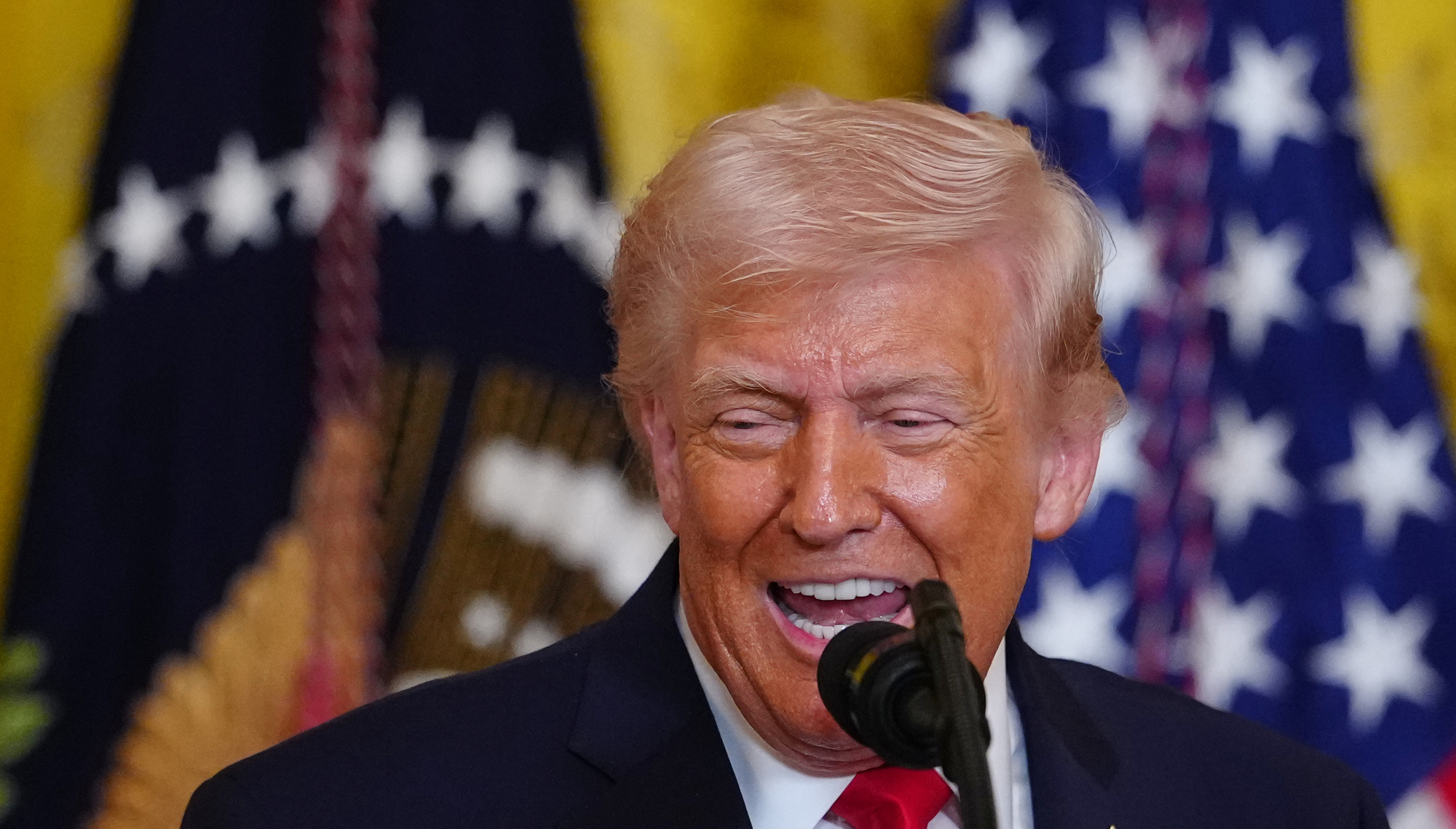
The recent announcement by the US administration regarding new trade investigations could significantly impact Taoiseach Micheál Martin’s upcoming visit to the White House for St Patrick’s Day on March 17, 2024. The investigations target the European Union, China, India, and more than a dozen other economies, seeking to replace former President Donald Trump‘s reciprocal tariffs, which the US Supreme Court recently deemed illegal.
The US Trade Representative, Jamieson Greer, highlighted Ireland’s position in this context, noting that the country maintained a substantial goods trade surplus of $97 billion, representing 15.9% of its GDP in 2024. In 2023, Ireland’s goods trade surplus with the rest of the world reached $57 billion. Furthermore, in 2025, the bilateral goods trade surplus with the United States was projected to be $55 billion, primarily driven by pharmaceutical exports.
Under Section 301 of the Trade Act of 1974, the US government has the authority to impose tariffs on imports from countries that it considers to engage in unfair trade practices. According to the US trade office, these investigations will evaluate “acts, policies, and practices” related to structural excess capacity and manufacturing production in specific economies. The US asserts that certain trading partners are violating market principles, producing more goods than they can consume domestically, which leads to persistent trade surpluses and increased exports to the US or through third countries.
Greer emphasized that the administration anticipates uncovering various unfair trading practices linked to surplus capacity and manufacturing. He stated, “Major trading partners still maintain production levels not in line with domestic and global demand.” Notably, the investigations indicate that Ireland’s manufacturing sector exhibited low domestic capacity utilization in early 2026, sustained through non-market policies and surplus exports.
With the deadline approaching for repayments on the now-invalidated tariff collections, the Trump administration is eager to introduce new legislation to offset the lost revenue. The US Customs and Border Protection (CBP) disclosed in a court filing that the total to be refunded amounts to $166 billion, affecting over 330,000 importers. The CBP anticipates beginning refunds by late April, contingent on the implementation of updated technology.
Section 301 is viewed as the primary tool the US administration intends to utilize for replacing the lost tariffs. Although this approach is not the quickest, it is considered the most legally robust and sustainable strategy. Once implemented, Section 301 actions are challenging to contest in court, as evidenced by the ongoing tariffs imposed on China across multiple administrations.
As Taoiseach Micheál Martin prepares for his meeting with Trump, he faces the delicate task of navigating these trade discussions. Raising the issue of tariffs may not be prudent, given that Ireland’s large-scale pharmaceutical exports to the US have largely remained unaffected thus far.
While Ireland is bound within the EU trade negotiations framework, this has provided a measure of protection amid wider trade negotiations. The EU Commission, led by Ursula von der Leyen, has firmly rejected the notion that the EU is guilty of overproduction. She specified that the sources of such overcapacity are identifiable and do not originate in Europe, implicitly referring to China’s export practices.
Fortunately, the Section 301 probes do not currently target agri-food imports from the US, offering some reassurance to Irish and European farmers that this lucrative market may escape the previous 15% tariff imposed under the old rulings. Brussels remains focused on ensuring that the US adheres to tariff commitments under the Turnberry agreement, which was part of Trump’s trade negotiations. This agreement ensures that Irish pharmaceuticals maintain a zero-tariff rating on exports to the US.
Although services are not the main focus of the Section 301 investigations, the primary source of Ireland’s corporation tax is likely to remain unaffected. Nevertheless, the landscape remains fluid, with the potential for further targeted actions against specific sectors. Companies will remain vigilant until a new legally binding agreement with the US is established, underscoring the ongoing complexities of international trade relations.

Mother Reveals Daughter’s Meningitis Seizure After Night Out

Major Oil Spill Disrupts Traffic in Donegal on March 16, 2026

Discovering Literature: The Joys of Rejoining a Public Library

Ted Season 2 Announced: Release Date & Trailer Updates Revealed

Research Ireland and UKRI Forge New Collaboration Agreement

David McGoldrick’s Impressive Scoring Streak Sparks World Cup Talk

Plane Crash Claims Lives of Publishing Heir, Pregnant Wife, and Pilot

Oscars Snub Brigitte Bardot Sparks Controversy Over In Memoriam

Meta Plans Major Layoffs to Offset Rising AI Investment Costs

Tributes Surge for 9-Year-Old Leon Briody After Cancer Battle

Aimee Osbourne Joins Family for Emotional Tribute to Ozzy

Danny Healy-Rae Considers Complaint After Altercation with Garda

Hawaii Commemorates 80 Years Since Hiroshima Bombing with Ceremony

Ireland Enjoys Summer Heat as Hurricane Erin Approaches Atlantic

Couple Convicted of Murdering Two-Year-Old Grandson in Wales

Newcastle West Woman Patricia Foley Found Safe After Urgent Search

Fianna Fáil TDs Urgently Consider Maire Geoghegan-Quinn for Presidency

Gaza Aid Distribution Tragedy: 20 Killed Amid Ongoing Violence
-
 Top Stories7 months ago
Tributes Surge for 9-Year-Old Leon Briody After Cancer Battle
-
 Entertainment8 months ago
Aimee Osbourne Joins Family for Emotional Tribute to Ozzy
-
 Politics8 months ago
Danny Healy-Rae Considers Complaint After Altercation with Garda
-
 World9 months ago
Hawaii Commemorates 80 Years Since Hiroshima Bombing with Ceremony
-
 Top Stories8 months ago
Ireland Enjoys Summer Heat as Hurricane Erin Approaches Atlantic
-
 World9 months ago
Couple Convicted of Murdering Two-Year-Old Grandson in Wales
-
 Top Stories7 months ago
Newcastle West Woman Patricia Foley Found Safe After Urgent Search
-
 Top Stories9 months ago
Fianna Fáil TDs Urgently Consider Maire Geoghegan-Quinn for Presidency
-
 World9 months ago
Gaza Aid Distribution Tragedy: 20 Killed Amid Ongoing Violence
-

 World9 months ago
Aristocrat Constance Marten and Partner Convicted of Infant Murder
-

 Top Stories8 months ago
Hike Donegal’s Errigal Mountain NOW for Unforgettable Summer Views
-

 Top Stories8 months ago
Climbing Errigal: A Must-Do Summer Adventure in Donegal