
Business
Northern Ireland Faces Questions Over Business Rates Discounts

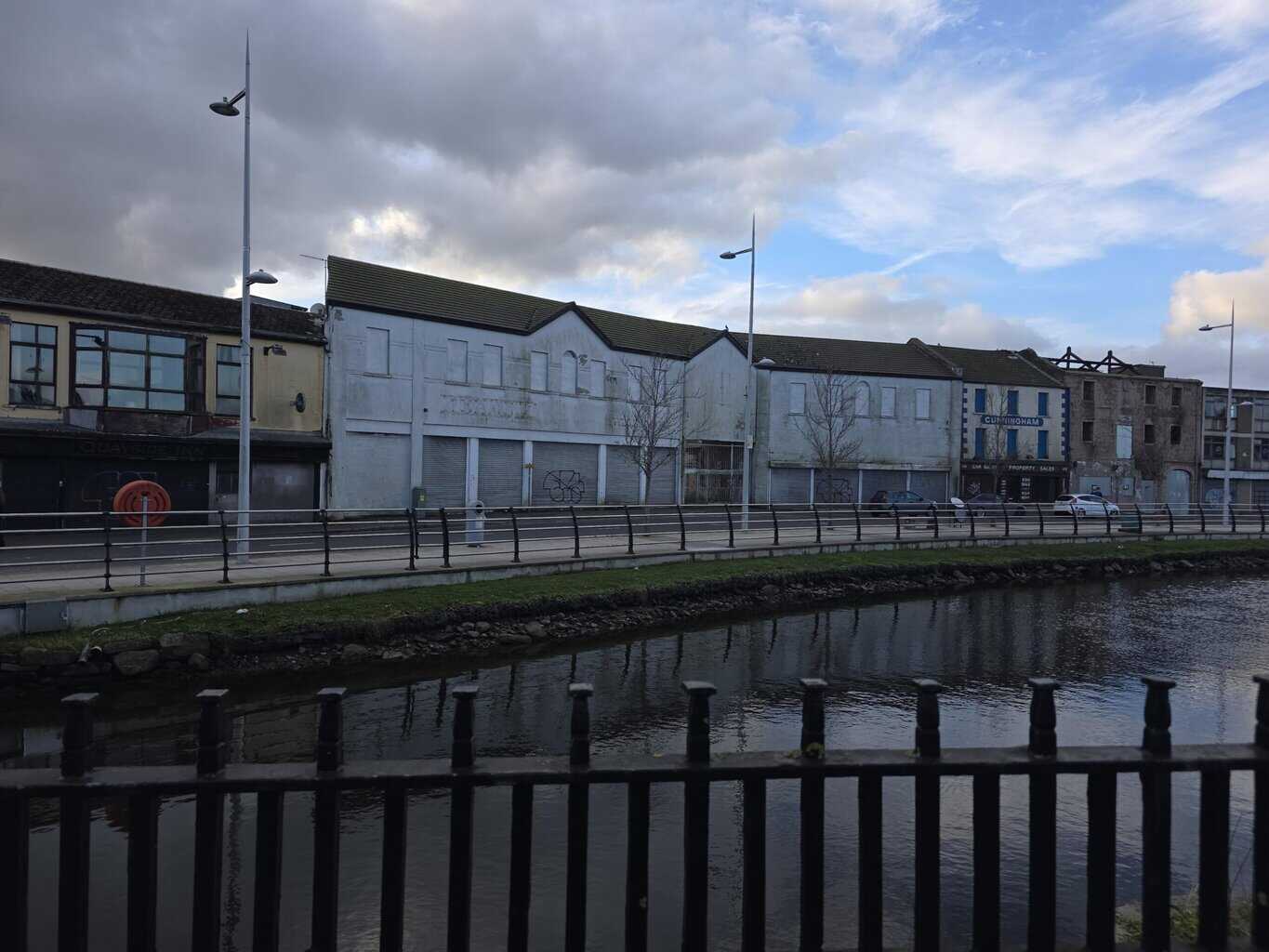
High streets across Northern Ireland are struggling while the manufacturing sector thrives, leading to scrutiny over a significant business rates discount. The current system allows manufacturers to receive a 70% reduction on their rates bills, costing the Northern Ireland Executive an estimated £58 million each year. This practice raises questions about economic fairness and the need for reform.
Walking through town centres in places like Lisburn, Ballymena, and Newry, one encounters a landscape marked by empty shop units and an abundance of charity shops and service-oriented businesses. This scenario contrasts sharply with the vibrant industrial estates in Northern Ireland, where the manufacturing sector is experiencing robust growth. According to the Northern Ireland Statistics and Research Agency (NISRA), the production sector is now 7.2% above pre-pandemic levels, while the UK as a whole remains 8.2% below those benchmarks.
Manufacturing employment has surged from 88,100 in 2019 to nearly 97,000 by 2023, with the number of production businesses growing by 2.5% in 2025 alone. Given these figures, one must question why the government continues to offer such a substantial discount to a sector that appears to be flourishing.
The mechanism known as industrial derating allows qualifying manufacturing premises to benefit from the significant rates reduction. This policy, however, is unique to Northern Ireland, as England and Wales eliminated similar relief in 1963, while Scotland phased it out by 1995. Originally introduced in 1929 during a time of economic challenge, the rationale for such support has diminished as the manufacturing landscape has evolved.
Outdated Legislation and Its Implications
The definition of qualifying businesses is rooted in the Factories Act (Northern Ireland) 1965, which has not kept pace with modern industry realities. The broad definition of a “factory” includes operations such as sorting and packing goods, potentially allowing modern distribution warehouses to qualify for the same discount as traditional manufacturers. This raises the concern that public funds are inadvertently supporting businesses contributing to the decline of the high street.
Many of these distribution centres are integral to online retail, which has drawn customers away from traditional retailers. As Stormont officials advocate for high street recovery, they must confront the contradiction of subsidising operations that directly compete with struggling local businesses.
The response from Stormont to the plight of small retailers has been minimal. Smaller retail properties may benefit from the Small Business Rate Relief scheme, which offers a 20% reduction for properties valued between £5,001 and £15,000. However, this measure only addresses a small segment of the market, leaving many retailers to shoulder the full burden of rates without adequate support.
The situation is exacerbated by the impact of the COVID-19 pandemic, which led to an increase in retail vacancy rates across Northern Ireland, which stood at 14% prior to the pandemic compared to the UK average of 9.6%. The closure of well-known retailers like Woolworths and Debenhams, along with the recent demise of the Connswater Shopping Centre in East Belfast, illustrates the gravity of the situation.
The Need for Reform
The Northern Ireland Retail Consortium has urged the government to implement a rates freeze, describing current conditions as “very challenging.” In contrast, other regions have taken steps to provide extended relief for retail sectors. The absence of a proactive strategy in Northern Ireland raises questions about the commitment to supporting local businesses.
The current rating system generates significant uncollected revenue due to business failures. Figures presented to the Stormont Finance Committee indicate that the Land & Property Services (LPS) carries a collection target of 93% against gross collectible rates of nearly £2 billion. This results in over £130 million going uncollected annually, with retail businesses disproportionately contributing to this bad debt.
The current system inadvertently penalises struggling retailers while benefiting successful manufacturing operations. A potential solution involves reducing the industrial derating from 70% to 25%, phased over three years, allowing manufacturers to adjust while redirecting the released funds into a 50% rates relief for qualifying town centre retailers. This recalibration would ensure that support is directed towards independent shops and local businesses vital to the health of town centres.
While some may argue that reducing the discount could undermine the manufacturing sector, the reality is that the industry is thriving. A 25% rates discount would still provide a competitive edge while addressing the pressing needs of the retail sector.
Northern Ireland’s Executive faces a crucial decision regarding the use of its limited fiscal tools. The question remains whether Stormont will choose to revise its approach to business rates in a way that reflects current economic realities or continue to uphold a system that benefits the thriving while neglecting those in distress.

Mother Reveals Daughter’s Meningitis Seizure After Night Out

Major Oil Spill Disrupts Traffic in Donegal on March 16, 2026

Discovering Literature: The Joys of Rejoining a Public Library

Ted Season 2 Announced: Release Date & Trailer Updates Revealed

Research Ireland and UKRI Forge New Collaboration Agreement

David McGoldrick’s Impressive Scoring Streak Sparks World Cup Talk

Plane Crash Claims Lives of Publishing Heir, Pregnant Wife, and Pilot

Oscars Snub Brigitte Bardot Sparks Controversy Over In Memoriam

Meta Plans Major Layoffs to Offset Rising AI Investment Costs

Tributes Surge for 9-Year-Old Leon Briody After Cancer Battle

Aimee Osbourne Joins Family for Emotional Tribute to Ozzy

Danny Healy-Rae Considers Complaint After Altercation with Garda

Hawaii Commemorates 80 Years Since Hiroshima Bombing with Ceremony

Ireland Enjoys Summer Heat as Hurricane Erin Approaches Atlantic

Couple Convicted of Murdering Two-Year-Old Grandson in Wales

Gaza Aid Distribution Tragedy: 20 Killed Amid Ongoing Violence

Newcastle West Woman Patricia Foley Found Safe After Urgent Search

Fianna Fáil TDs Urgently Consider Maire Geoghegan-Quinn for Presidency
-
 Top Stories10 months ago
Tributes Surge for 9-Year-Old Leon Briody After Cancer Battle
-
 Entertainment12 months ago
Aimee Osbourne Joins Family for Emotional Tribute to Ozzy
-
 Politics12 months ago
Danny Healy-Rae Considers Complaint After Altercation with Garda
-
 World1 year ago
Hawaii Commemorates 80 Years Since Hiroshima Bombing with Ceremony
-
 Top Stories11 months ago
Ireland Enjoys Summer Heat as Hurricane Erin Approaches Atlantic
-
 World1 year ago
Couple Convicted of Murdering Two-Year-Old Grandson in Wales
-
 World1 year ago
Gaza Aid Distribution Tragedy: 20 Killed Amid Ongoing Violence
-
 Top Stories10 months ago
Newcastle West Woman Patricia Foley Found Safe After Urgent Search
-
 Top Stories1 year ago
Fianna Fáil TDs Urgently Consider Maire Geoghegan-Quinn for Presidency
-

 World1 year ago
Aristocrat Constance Marten and Partner Convicted of Infant Murder
-

 Top Stories12 months ago
Climbing Errigal: A Must-Do Summer Adventure in Donegal
-

 Top Stories12 months ago
Hike Donegal’s Errigal Mountain NOW for Unforgettable Summer Views