
Business
Proposals to Reform Irish Politics: Boosting Pay and Power

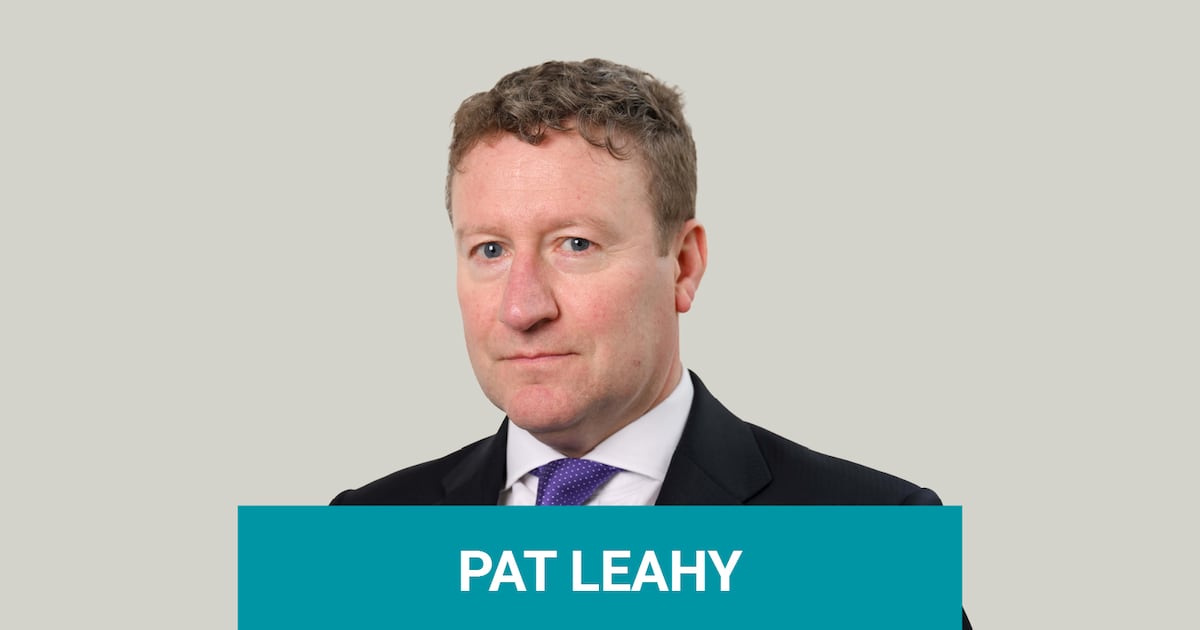
In a recent commentary, Pat Leahy presented four proposals aimed at enhancing Ireland’s political landscape and public life. While the likelihood of implementing these suggestions may be low, they merit consideration as the nation grapples with ongoing challenges in governance and public service.
Reevaluating the Electoral System
Leahy pointed out that Ireland does not possess the worst electoral system, but it does encourage localism, intra-party competition, and short-term thinking. This environment tends to push members of the Dáil (the Irish Parliament) to prioritize the needs of their constituents over national interests. Although some focus on local issues is beneficial, it can become problematic when it overshadows broader political responsibilities.
Irish politicians often express concern about national issues, such as the housing crisis, while simultaneously resisting local developments that could alleviate these problems. This duality, while appealing to voters, raises ethical questions about accountability. To address these issues, Leahy suggested exploring a different electoral framework that combines constituency representation with party lists. Such a change could help reduce the number of T.D.s (Teachtaí Dála) and alleviate public resentment over their increasing numbers. By enhancing pay and responsibilities for these representatives, the political focus could shift towards national policy development.
Empowering Ministers and Enhancing Expertise
Leahy also highlighted the importance of empowering ministers to improve governance. He noted that politicians often find themselves overwhelmed by constituency work, which detracts from their ability to engage with policy issues. By decreasing the focus on local matters, politicians could dedicate more time to addressing critical national challenges.
Reflecting on a conversation with a judge, Leahy emphasized the value of time for contemplation in decision-making. A similar space for reflection could benefit politicians, fostering deeper engagement with policy matters. This shift would require a change in voter expectations; if citizens continue to reward politicians for local focus, then the status quo will persist.
Leahy acknowledged the strengths of having ordinary politicians lead government departments but cautioned against their reliance on official advice. While this is suitable for some areas, it can hinder effective decision-making in more complex sectors. He argued that integrating specialists, such as those with expertise in health systems, could enhance governance and lead to more informed policy decisions.
One potential reform involves allowing ministers to assemble their own teams of senior officials from both within and outside the Civil Service. This practice, which mirrors the European Commission’s approach, would enable ministers to quickly mobilize resources and achieve policy objectives more effectively. Cooperation with existing civil servants remains essential, but introducing fresh expertise could lead to innovative solutions.
Leahy also addressed the issue of fiscal responsibility, citing Minister for Finance Simon Harris‘s recent announcement of a medium-term fiscal framework. The effectiveness of this framework remains in question, particularly given previous governments’ tendencies to disregard spending limits. The Fiscal Council has been critical of such actions, highlighting the challenge politicians face when balancing public demands with long-term financial stability.
To mitigate this dilemma, Leahy proposed making fiscal rules legally binding through legislation. This would prevent governments from circumventing established financial guidelines without legislative approval. He noted that the Fiscal Council previously warned about the government’s insufficient savings from corporate tax revenues, suggesting that more stringent financial discipline is necessary.
Ultimately, Leahy’s proposals reflect the ongoing struggle within democratic politics: finding ways to align short-term public approval with long-term national interests. As he aptly quoted former European Commission President Jean-Claude Juncker, “We all know what we have to do… We just don’t know how to get elected afterwards.”
As Ireland navigates these complex issues, the conversation around reforming its political system remains crucial for the country’s future.

Mother Reveals Daughter’s Meningitis Seizure After Night Out

Major Oil Spill Disrupts Traffic in Donegal on March 16, 2026

Discovering Literature: The Joys of Rejoining a Public Library

Ted Season 2 Announced: Release Date & Trailer Updates Revealed

Research Ireland and UKRI Forge New Collaboration Agreement

David McGoldrick’s Impressive Scoring Streak Sparks World Cup Talk

Plane Crash Claims Lives of Publishing Heir, Pregnant Wife, and Pilot

Oscars Snub Brigitte Bardot Sparks Controversy Over In Memoriam

Meta Plans Major Layoffs to Offset Rising AI Investment Costs

Tributes Surge for 9-Year-Old Leon Briody After Cancer Battle

Aimee Osbourne Joins Family for Emotional Tribute to Ozzy

Danny Healy-Rae Considers Complaint After Altercation with Garda

Hawaii Commemorates 80 Years Since Hiroshima Bombing with Ceremony

Ireland Enjoys Summer Heat as Hurricane Erin Approaches Atlantic

Couple Convicted of Murdering Two-Year-Old Grandson in Wales

Gaza Aid Distribution Tragedy: 20 Killed Amid Ongoing Violence

Newcastle West Woman Patricia Foley Found Safe After Urgent Search

Fianna Fáil TDs Urgently Consider Maire Geoghegan-Quinn for Presidency
-
 Top Stories12 months ago
Tributes Surge for 9-Year-Old Leon Briody After Cancer Battle
-
 Entertainment1 year ago
Aimee Osbourne Joins Family for Emotional Tribute to Ozzy
-
 Politics1 year ago
Danny Healy-Rae Considers Complaint After Altercation with Garda
-
 World1 year ago
Hawaii Commemorates 80 Years Since Hiroshima Bombing with Ceremony
-
 Top Stories1 year ago
Ireland Enjoys Summer Heat as Hurricane Erin Approaches Atlantic
-
 World1 year ago
Couple Convicted of Murdering Two-Year-Old Grandson in Wales
-
 World1 year ago
Gaza Aid Distribution Tragedy: 20 Killed Amid Ongoing Violence
-
 Top Stories12 months ago
Newcastle West Woman Patricia Foley Found Safe After Urgent Search
-
 Top Stories1 year ago
Fianna Fáil TDs Urgently Consider Maire Geoghegan-Quinn for Presidency
-

 World1 year ago
Aristocrat Constance Marten and Partner Convicted of Infant Murder
-

 Top Stories1 year ago
Climbing Errigal: A Must-Do Summer Adventure in Donegal
-

 Top Stories1 year ago
Hike Donegal’s Errigal Mountain NOW for Unforgettable Summer Views