
Business
Venezuela Opens Oil Industry to Private Investment Following US Pressure

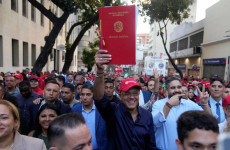
Venezuela’s parliament has adopted a significant reform allowing greater private investment in the oil sector, a move closely aligned with demands from the United States. This legislative change comes in the wake of the recent political shift following the ousting of former leader Nicolas Maduro. The new hydrocarbons bill seeks to reverse decades of stringent state control over foreign investment in the oil industry, which is critical to Venezuela’s economy.
The reforms enable private companies to engage in oil exploration, extraction, and commercialization without the necessity of forming joint ventures with the state-owned Petroleos de Venezuela (PDVSA). Previously, PDVSA was required to maintain a majority stake in such ventures, which limited foreign participation. The National Assembly’s approval of this bill marks a pivotal moment for private capital in a sector grappling with the effects of extensive US sanctions.
In an effort to attract investment, the legislation also introduces a more flexible royalties regime. Jorge Rodriguez, president of the National Assembly and brother of interim president Delcy Rodriguez, expressed optimism about the reform, stating, “Only good things will come after the suffering.”
The swift legislative changes follow Donald Trump‘s declaration that the US now effectively controls Venezuela’s oil sector after Maduro’s removal. Trump emphasized that major oil companies are currently assessing opportunities in the country, which he described as a significant step towards revitalizing the industry.
In addition to the oil reforms, Trump announced the reopening of commercial airspace over Venezuela. During a cabinet meeting, he stated that he had communicated with Rodriguez, assuring her that American citizens would soon be able to travel safely to Venezuela. This announcement follows nearly four weeks of closed airspace after the US military operation that led to Maduro’s overthrow.
The Federal Aviation Administration (FAA) confirmed the removal of restrictions on airline operations over Venezuelan airspace shortly after Trump’s announcement. The US had blocked commercial flights since January 3, 2024, due to security concerns related to the military operation that captured Maduro, who now faces charges in New York for drug trafficking and terrorism.
As Venezuela navigates this transition towards increased private involvement in its oil sector, the implications for the country’s economy and international relations remain to be seen. The government’s move to embrace foreign investment could potentially revitalize its struggling economy, but it also reflects the complexities of balancing domestic interests with external pressures.

Mother Reveals Daughter’s Meningitis Seizure After Night Out

Major Oil Spill Disrupts Traffic in Donegal on March 16, 2026

Discovering Literature: The Joys of Rejoining a Public Library

Ted Season 2 Announced: Release Date & Trailer Updates Revealed

Research Ireland and UKRI Forge New Collaboration Agreement

David McGoldrick’s Impressive Scoring Streak Sparks World Cup Talk

Plane Crash Claims Lives of Publishing Heir, Pregnant Wife, and Pilot

Oscars Snub Brigitte Bardot Sparks Controversy Over In Memoriam

Meta Plans Major Layoffs to Offset Rising AI Investment Costs

Tributes Surge for 9-Year-Old Leon Briody After Cancer Battle

Aimee Osbourne Joins Family for Emotional Tribute to Ozzy

Danny Healy-Rae Considers Complaint After Altercation with Garda

Hawaii Commemorates 80 Years Since Hiroshima Bombing with Ceremony

Ireland Enjoys Summer Heat as Hurricane Erin Approaches Atlantic

Couple Convicted of Murdering Two-Year-Old Grandson in Wales

Newcastle West Woman Patricia Foley Found Safe After Urgent Search

Fianna Fáil TDs Urgently Consider Maire Geoghegan-Quinn for Presidency

Gaza Aid Distribution Tragedy: 20 Killed Amid Ongoing Violence
-
 Top Stories7 months ago
Tributes Surge for 9-Year-Old Leon Briody After Cancer Battle
-
 Entertainment8 months ago
Aimee Osbourne Joins Family for Emotional Tribute to Ozzy
-
 Politics8 months ago
Danny Healy-Rae Considers Complaint After Altercation with Garda
-
 World9 months ago
Hawaii Commemorates 80 Years Since Hiroshima Bombing with Ceremony
-
 Top Stories8 months ago
Ireland Enjoys Summer Heat as Hurricane Erin Approaches Atlantic
-
 World9 months ago
Couple Convicted of Murdering Two-Year-Old Grandson in Wales
-
 Top Stories7 months ago
Newcastle West Woman Patricia Foley Found Safe After Urgent Search
-
 Top Stories9 months ago
Fianna Fáil TDs Urgently Consider Maire Geoghegan-Quinn for Presidency
-
 World9 months ago
Gaza Aid Distribution Tragedy: 20 Killed Amid Ongoing Violence
-

 World9 months ago
Aristocrat Constance Marten and Partner Convicted of Infant Murder
-

 Top Stories8 months ago
Hike Donegal’s Errigal Mountain NOW for Unforgettable Summer Views
-

 Top Stories8 months ago
Climbing Errigal: A Must-Do Summer Adventure in Donegal