
Business
Wind Industry Leader Calls for Competitive Bidding in EU Auctions

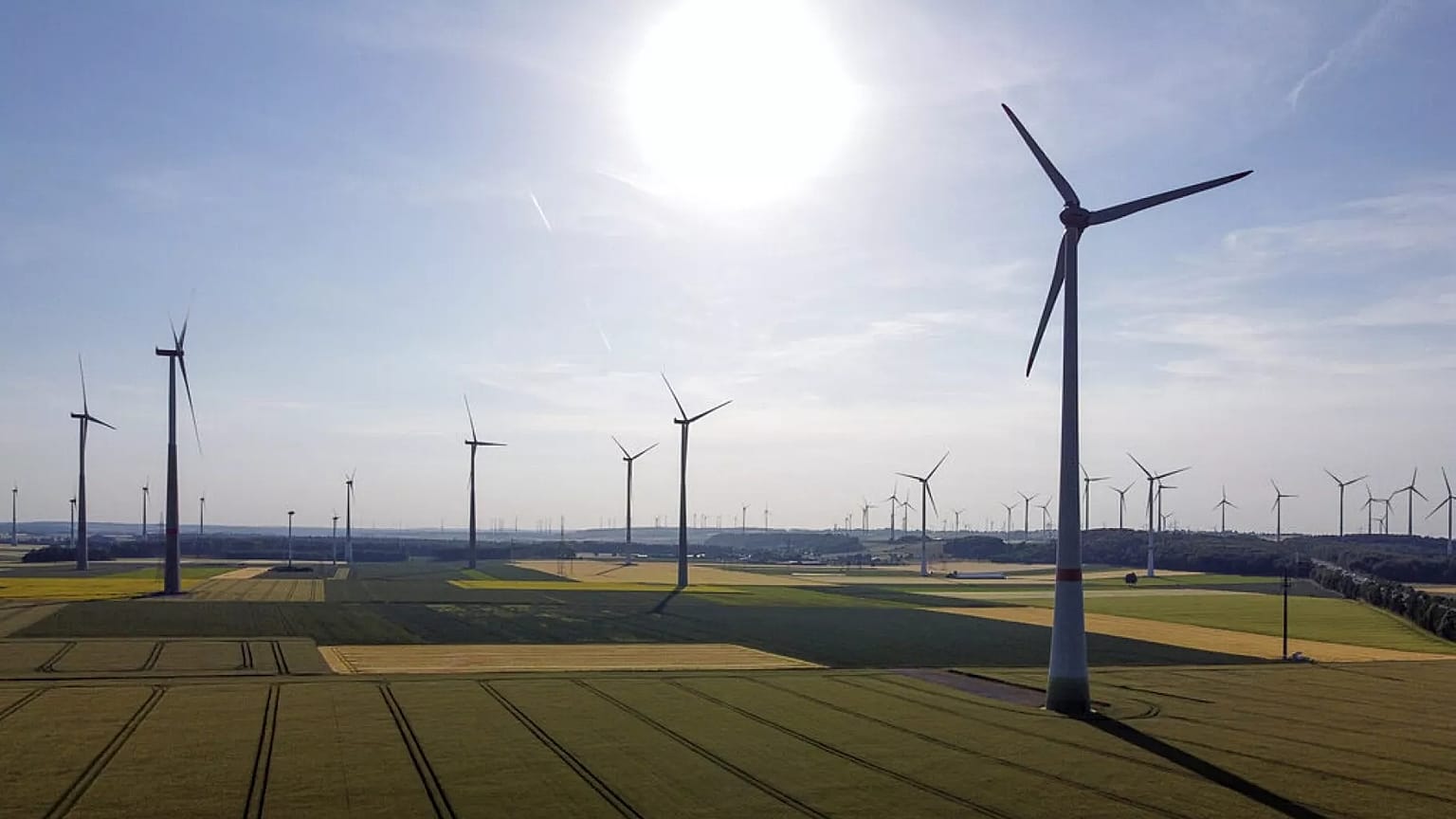
Tinne Van der Straeten, the newly appointed CEO of WindEurope and former Belgian energy minister, has called for the implementation of competitive bidding systems for clean power across the European Union. In an interview with Euronews, Van der Straeten emphasized that, to maintain its leadership in wind power production, EU member states must adopt effective auction systems similar to those in Germany.
Van der Straeten highlighted the ongoing challenges faced by the wind energy sector, particularly the slow permitting processes that hinder project development in several EU nations. She pointed to Germany as an exemplary model, citing its recent revised renewable energy law, which streamlines permitting for renewable energy initiatives. In contrast, she noted that Spain, despite its significant wind power potential, struggles with internal organisation and efficiency in permit processing.
Germany’s success in utilizing auction systems has proven beneficial for the wind sector. The country achieved 14 out of 20 gigawatts (GW) of installed capacity from auctions in 2025, which Van der Straeten described as an “incredible success.” However, recent issues in Denmark’s auction for 3 GW of offshore wind, where no bids were submitted, illustrate the flaws in auction designs. Industry analysts attribute this lack of participation to rising project costs, high interest rates, and insufficient government-set maximum bid prices.
“One of the priorities here in this new office is to make failed auctions a thing of the past,” Van der Straeten stated. She acknowledged that while not every auction will be successful, each failure presents an opportunity to learn and improve future processes.
The issue of negative energy prices has also emerged in Europe’s electricity markets, where an oversupply of energy leads generators to pay the grid to accept excess electricity. Van der Straeten described negative prices as a “sign of success,” reflecting the increasing output of renewable energy. Nonetheless, she warned that such prices indicate an immature energy system, which could discourage investment. She emphasized the need for a balanced approach to energy development, including better storage solutions and demand-side management strategies.
To support its ambitious climate goals, the EU has set a target of sourcing at least 42.5% of its energy consumption from renewable sources by 2030. According to WindEurope data, Europe needs to add 500 GW of clean power capacity over the next four years. Currently, onshore wind accounts for approximately 87-91% of total installed wind power, while offshore wind represents only 9-13%.
The upcoming North Sea Summit on January 26, 2026, will see EU leaders discussing measures to enhance offshore wind collaboration. Van der Straeten expressed the importance of this commitment, as the offshore sector is lagging behind. She advocates for a new offshore wind deal that would involve policymakers guaranteeing specific energy volumes for auction while the industry commits to building and reducing energy prices.
China’s growing dominance in the wind energy sector poses a significant challenge to Europe’s position. Recent reports from the German Aerospace Centre indicate that Beijing has accelerated its offshore wind expansion. Van der Straeten acknowledged the competition but insisted on the necessity of fair market conditions. She pointed out that European turbine manufacturers face tough competition due to Chinese state subsidies, which have led to prices being significantly lower than those of European competitors.
Looking ahead, Van der Straeten expressed optimism about the European Commission’s forthcoming plan, the Industrial Accelerator Act, aimed at expediting the clean transition for energy-intensive sectors. This legislation, expected to be proposed on January 29, 2026, will introduce sustainability criteria to bolster demand for EU-made clean products. Van der Straeten highlighted the potential benefits for the wind industry, as heavy industries are increasingly interested in power purchase agreements linked to renewable energy production.
As the wind industry prepares for future challenges and opportunities, Van der Straeten remains confident that with the right policies in place, the sector can continue to thrive and play a pivotal role in achieving Europe’s climate objectives.

Mother Reveals Daughter’s Meningitis Seizure After Night Out

Major Oil Spill Disrupts Traffic in Donegal on March 16, 2026

Discovering Literature: The Joys of Rejoining a Public Library

Ted Season 2 Announced: Release Date & Trailer Updates Revealed

Research Ireland and UKRI Forge New Collaboration Agreement

David McGoldrick’s Impressive Scoring Streak Sparks World Cup Talk

Plane Crash Claims Lives of Publishing Heir, Pregnant Wife, and Pilot

Oscars Snub Brigitte Bardot Sparks Controversy Over In Memoriam

Meta Plans Major Layoffs to Offset Rising AI Investment Costs

Tributes Surge for 9-Year-Old Leon Briody After Cancer Battle

Aimee Osbourne Joins Family for Emotional Tribute to Ozzy

Danny Healy-Rae Considers Complaint After Altercation with Garda

Hawaii Commemorates 80 Years Since Hiroshima Bombing with Ceremony

Ireland Enjoys Summer Heat as Hurricane Erin Approaches Atlantic

Couple Convicted of Murdering Two-Year-Old Grandson in Wales

Gaza Aid Distribution Tragedy: 20 Killed Amid Ongoing Violence

Newcastle West Woman Patricia Foley Found Safe After Urgent Search

Fianna Fáil TDs Urgently Consider Maire Geoghegan-Quinn for Presidency
-
 Top Stories11 months ago
Tributes Surge for 9-Year-Old Leon Briody After Cancer Battle
-
 Entertainment1 year ago
Aimee Osbourne Joins Family for Emotional Tribute to Ozzy
-
 Politics1 year ago
Danny Healy-Rae Considers Complaint After Altercation with Garda
-
 World1 year ago
Hawaii Commemorates 80 Years Since Hiroshima Bombing with Ceremony
-
 Top Stories1 year ago
Ireland Enjoys Summer Heat as Hurricane Erin Approaches Atlantic
-
 World1 year ago
Couple Convicted of Murdering Two-Year-Old Grandson in Wales
-
 World1 year ago
Gaza Aid Distribution Tragedy: 20 Killed Amid Ongoing Violence
-
 Top Stories11 months ago
Newcastle West Woman Patricia Foley Found Safe After Urgent Search
-
 Top Stories1 year ago
Fianna Fáil TDs Urgently Consider Maire Geoghegan-Quinn for Presidency
-

 World1 year ago
Aristocrat Constance Marten and Partner Convicted of Infant Murder
-
 Top Stories1 year ago
Climbing Errigal: A Must-Do Summer Adventure in Donegal
-
 Top Stories1 year ago
Hike Donegal’s Errigal Mountain NOW for Unforgettable Summer Views