
Entertainment
Manage Indigestion: Strategies for a Healthier Festive Season

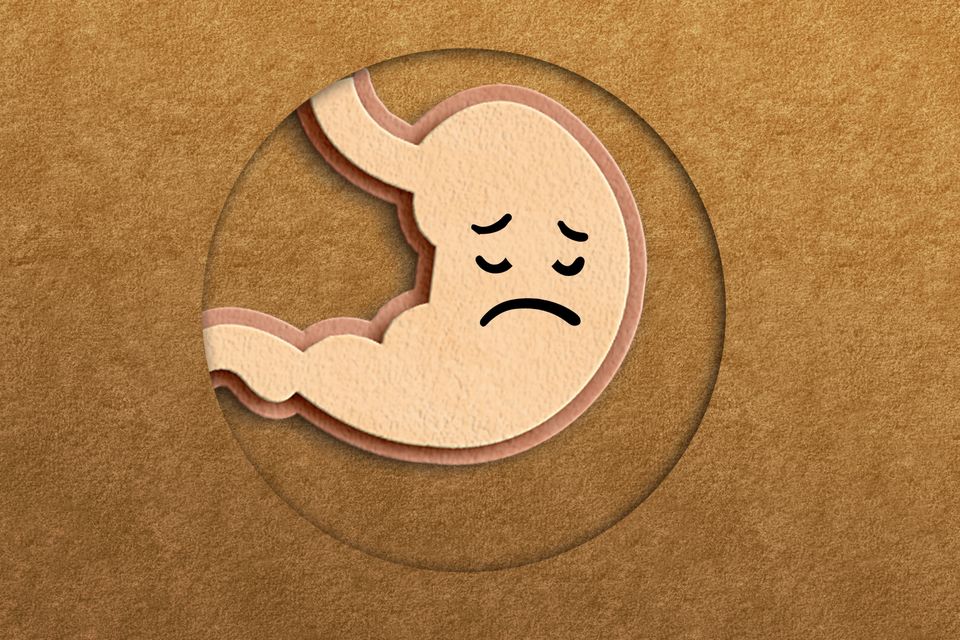
Indigestion is a common issue, particularly during the festive season when indulgent foods and drinks are abundant. Many people experience discomfort after consuming rich meals, such as mulled wine and mince pies, often leading to bloating and discomfort. Understanding the causes of indigestion and effective management strategies can enhance one’s holiday experience and overall well-being.
During the holidays, it is typical for individuals to enjoy a variety of rich foods and beverages. However, this festive indulgence can lead to digestive challenges. According to the National Health Service (NHS), indigestion affects a significant portion of the population at some point, particularly after large meals. Symptoms may include bloating, nausea, and general discomfort.
Understanding Indigestion and Its Causes
Indigestion, medically known as dyspepsia, occurs when the digestive system struggles to process food efficiently. Several factors contribute to this issue, including the consumption of fatty or spicy foods, excessive alcohol intake, and overeating. The holiday season often brings these elements together, leading to a higher incidence of digestive discomfort.
Health experts emphasize the importance of moderation during festive gatherings. Overindulgence can overwhelm the digestive system, making it harder for the body to process food effectively. For individuals with pre-existing digestive conditions, such as gastroesophageal reflux disease (GERD), the risk of indigestion can be even higher.
Effective Management and Prevention Techniques
Managing and preventing indigestion requires a combination of dietary adjustments and lifestyle changes. Here are several strategies to consider:
- Eat smaller portions: Instead of indulging in large meals, opt for smaller portions spread throughout the day. This can help reduce the burden on the digestive system.
- Stay hydrated: Drinking plenty of water can aid digestion. Limiting caffeinated and alcoholic beverages, particularly those high in sugar, is also advisable.
- Choose wisely: Opt for healthier alternatives when possible. Incorporating fruits, vegetables, and whole grains can promote better digestion.
- Mindful eating: Take time to chew food thoroughly and eat at a slower pace. This practice can help signal the body when it is full, reducing the likelihood of overeating.
Additionally, engaging in light physical activity, such as walking after meals, can aid the digestive process. Health professionals recommend avoiding lying down immediately after eating, as this can exacerbate symptoms of indigestion.
For those who frequently experience severe symptoms, consulting with a healthcare provider is essential. They can identify potential underlying conditions and recommend appropriate treatments or dietary adjustments.
In conclusion, while the festive season is a time for celebration and indulgence, being mindful of dietary choices can prevent the discomfort associated with indigestion. By adopting healthier eating habits and listening to the body’s signals, individuals can enjoy the holiday festivities while maintaining their digestive health.

Mother Reveals Daughter’s Meningitis Seizure After Night Out

Major Oil Spill Disrupts Traffic in Donegal on March 16, 2026

Discovering Literature: The Joys of Rejoining a Public Library

Ted Season 2 Announced: Release Date & Trailer Updates Revealed

Research Ireland and UKRI Forge New Collaboration Agreement

David McGoldrick’s Impressive Scoring Streak Sparks World Cup Talk

Plane Crash Claims Lives of Publishing Heir, Pregnant Wife, and Pilot

Oscars Snub Brigitte Bardot Sparks Controversy Over In Memoriam

Meta Plans Major Layoffs to Offset Rising AI Investment Costs

Tributes Surge for 9-Year-Old Leon Briody After Cancer Battle

Aimee Osbourne Joins Family for Emotional Tribute to Ozzy

Danny Healy-Rae Considers Complaint After Altercation with Garda

Hawaii Commemorates 80 Years Since Hiroshima Bombing with Ceremony

Ireland Enjoys Summer Heat as Hurricane Erin Approaches Atlantic

Couple Convicted of Murdering Two-Year-Old Grandson in Wales

Gaza Aid Distribution Tragedy: 20 Killed Amid Ongoing Violence

Newcastle West Woman Patricia Foley Found Safe After Urgent Search

Fianna Fáil TDs Urgently Consider Maire Geoghegan-Quinn for Presidency
-
 Top Stories12 months ago
Tributes Surge for 9-Year-Old Leon Briody After Cancer Battle
-
 Entertainment1 year ago
Aimee Osbourne Joins Family for Emotional Tribute to Ozzy
-
 Politics1 year ago
Danny Healy-Rae Considers Complaint After Altercation with Garda
-
 World1 year ago
Hawaii Commemorates 80 Years Since Hiroshima Bombing with Ceremony
-
 Top Stories1 year ago
Ireland Enjoys Summer Heat as Hurricane Erin Approaches Atlantic
-
 World1 year ago
Couple Convicted of Murdering Two-Year-Old Grandson in Wales
-
 World1 year ago
Gaza Aid Distribution Tragedy: 20 Killed Amid Ongoing Violence
-
 Top Stories11 months ago
Newcastle West Woman Patricia Foley Found Safe After Urgent Search
-
 Top Stories1 year ago
Fianna Fáil TDs Urgently Consider Maire Geoghegan-Quinn for Presidency
-

 World1 year ago
Aristocrat Constance Marten and Partner Convicted of Infant Murder
-

 Top Stories1 year ago
Climbing Errigal: A Must-Do Summer Adventure in Donegal
-

 Top Stories1 year ago
Hike Donegal’s Errigal Mountain NOW for Unforgettable Summer Views