
Entertainment
Remembering Joseph Sheridan Le Fanu: The Father of Gothic Horror

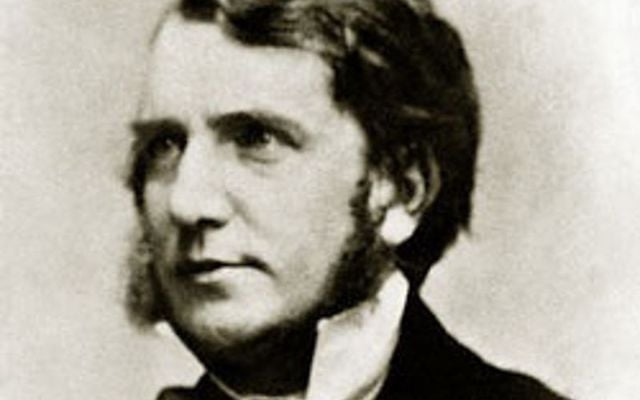
On February 7, 1873, renowned Irish novelist Joseph Sheridan Le Fanu passed away in Dublin at the age of 58. While his name might not resonate with many today, Le Fanu’s influence on the genre of gothic horror is profound and enduring. His novella, Carmilla, published in 1871, predates Bram Stoker‘s iconic Dracula by 26 years and is considered a pioneering work in vampire literature, particularly for its exploration of themes of sexuality and identity.
Le Fanu’s contributions extend beyond Carmilla. His compilation of stories, In a Glass Darkly, includes some of the earliest examples of the psychological ghost story, a genre that blends supernatural elements with complex human emotions. According to The Guardian, Le Fanu’s approach to storytelling set the stage for future writers of horror and fantasy.
Life and Influences of a Literary Pioneer
Born in 1814 in Dublin’s Lower Dominick Street to an impoverished Protestant clergyman, Le Fanu initially pursued a career in law at Trinity College. However, his passion for literature soon led him to journalism and fiction writing. His first ghost story, “The Ghost and the Bone-Setter,” appeared in the Dublin University Magazine in 1838, marking the beginning of a successful writing career. Over the years, he owned several newspapers, including the Dublin Evening Mail and the Warder.
The tragic death of his wife, Susanna Bennett, in 1858 profoundly impacted Le Fanu’s work. Susanna’s struggles with mental health, including visions of her deceased father, inspired some of the haunting themes in his stories. Following her death, Le Fanu wrote little fiction until the passing of his mother in 1861, during which time he returned to his craft with renewed vigor.
One of his most notable works, the gothic horror novel Uncle Silas, published in 1864, showcases Le Fanu’s masterful storytelling ability. The novel was later adapted into the 1987 film “The Dark Angel,” featuring Peter O’Toole.
Legacy and Cultural Impact
Le Fanu’s literary legacy continues to resonate in modern horror narratives. His ability to intertwine psychological depth with supernatural elements has influenced countless authors and filmmakers. The Irish Times highlighted his craftsmanship, noting that he expanded the boundaries of the Victorian ghost story. Rather than relying on shock value, Le Fanu often left critical details unexplained, enhancing the air of mystery surrounding his tales.
In 2014, Le Fanu was commemorated with a Google Doodle on the occasion of his 200th birthday, featuring a ghostly figure, a fitting tribute to a man who shaped modern ghost storytelling alongside Edgar Allan Poe. Despite his relatively low profile today, the impact of Le Fanu’s work is evident in contemporary literature and media, influencing a new generation of horror writers and filmmakers.
Le Fanu’s contributions to the gothic genre remain significant, with his stories not only providing thrills but also delving into the complexities of the human psyche. His work paved the way for future explorations of horror, ensuring that his legacy endures in the cultural consciousness.

Mother Reveals Daughter’s Meningitis Seizure After Night Out

Major Oil Spill Disrupts Traffic in Donegal on March 16, 2026

Discovering Literature: The Joys of Rejoining a Public Library

Ted Season 2 Announced: Release Date & Trailer Updates Revealed

Research Ireland and UKRI Forge New Collaboration Agreement

David McGoldrick’s Impressive Scoring Streak Sparks World Cup Talk

Plane Crash Claims Lives of Publishing Heir, Pregnant Wife, and Pilot

Oscars Snub Brigitte Bardot Sparks Controversy Over In Memoriam

Meta Plans Major Layoffs to Offset Rising AI Investment Costs

Tributes Surge for 9-Year-Old Leon Briody After Cancer Battle

Aimee Osbourne Joins Family for Emotional Tribute to Ozzy

Danny Healy-Rae Considers Complaint After Altercation with Garda

Hawaii Commemorates 80 Years Since Hiroshima Bombing with Ceremony

Ireland Enjoys Summer Heat as Hurricane Erin Approaches Atlantic

Couple Convicted of Murdering Two-Year-Old Grandson in Wales

Gaza Aid Distribution Tragedy: 20 Killed Amid Ongoing Violence

Newcastle West Woman Patricia Foley Found Safe After Urgent Search

Fianna Fáil TDs Urgently Consider Maire Geoghegan-Quinn for Presidency
-
 Top Stories11 months ago
Tributes Surge for 9-Year-Old Leon Briody After Cancer Battle
-
 Entertainment1 year ago
Aimee Osbourne Joins Family for Emotional Tribute to Ozzy
-
 Politics1 year ago
Danny Healy-Rae Considers Complaint After Altercation with Garda
-
 World1 year ago
Hawaii Commemorates 80 Years Since Hiroshima Bombing with Ceremony
-
 Top Stories1 year ago
Ireland Enjoys Summer Heat as Hurricane Erin Approaches Atlantic
-
 World1 year ago
Couple Convicted of Murdering Two-Year-Old Grandson in Wales
-
 World1 year ago
Gaza Aid Distribution Tragedy: 20 Killed Amid Ongoing Violence
-
 Top Stories11 months ago
Newcastle West Woman Patricia Foley Found Safe After Urgent Search
-
 Top Stories1 year ago
Fianna Fáil TDs Urgently Consider Maire Geoghegan-Quinn for Presidency
-

 World1 year ago
Aristocrat Constance Marten and Partner Convicted of Infant Murder
-

 Top Stories1 year ago
Climbing Errigal: A Must-Do Summer Adventure in Donegal
-

 Top Stories1 year ago
Hike Donegal’s Errigal Mountain NOW for Unforgettable Summer Views