
Health
Addressing Menopause-Related Sleep Disruption and Nail Health

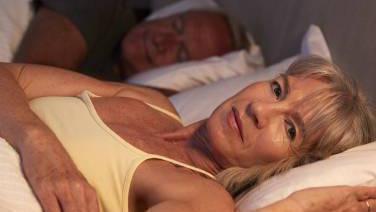
Women in their late 50s often find themselves grappling with sleep disruptions linked to menopause. One reader reported waking almost every two hours at night, a challenge that many experience during this life stage. These disturbances can lead to significant fatigue, impacting daily life and overall well-being.
Sleep issues during menopause are primarily associated with hormonal changes, particularly the decline in both oestradiol and progesterone. These hormonal fluctuations can affect the brain’s sleep-regulating areas and disrupt the body’s natural circadian rhythm. As a result, many women report difficulty achieving restful sleep, which may leave them feeling exhausted instead of revitalized.
Magnesium: A Key to Better Sleep
One potential solution for improving sleep quality is increasing magnesium intake. Magnesium plays a crucial role in regulating sleep and can help alleviate other conditions that contribute to nighttime awakenings, such as muscle cramping and anxiety. It is common for magnesium levels to drop at night, possibly exacerbating sleep issues.
Experts suggest that both topical and internal magnesium supplementation can enhance sleep quality. A daily intake of 300-350mg of magnesium glycinate, supplemented with 3g of taurine, can be beneficial. Taurine is known to calm GABA receptors, promote a healthy insulin response, and enhance energy metabolism. Additionally, magnesium supports GABA functionality and helps lower cortisol levels, further aiding in sleep regulation.
Incorporating good sleep hygiene practices is also essential. Maintaining consistent sleep and wake times, creating a cooler sleeping environment, and reducing screen time at least one hour before bed can significantly improve sleep quality. For added benefits, consider using blackout curtains and limiting caffeine and alcohol consumption.
Nail Health and Strengthening Solutions
Aside from sleep issues, many women experience changes in nail health during menopause. Brittle nails can be a frustrating concern, with specific vitamins playing essential roles in maintaining nail strength. In particular, biotin (B7), along with B12 and folate, is crucial for healthy nails, skin, and hair. A biotin deficiency can lead to weakened nails, and the recommended daily dosage for strengthening is 2.5mg.
For those looking to enhance nail strength, biotin supplements are widely available. For example, a 1000ug (1mg) biotin supplement from Holland & Barrett costs approximately €22.69 for 100 capsules. Taking two to three tablets daily for six months can lead to noticeable improvements.
As nail health becomes a focus, many health-conscious nail varnishes are now on the market. The Benecos brand offers a range of breathable and water-permeable varnishes that include beneficial ingredients like apple seed oil and biotin. These products do not contain 20 toxic ingredients commonly found in traditional nail varnishes. Each 5ml bottle from the Benecos Happy Nails range is priced at €6.80 and can be found at local health stores.
In summary, addressing issues related to sleep disturbances and nail health during menopause involves understanding the physiological changes occurring in the body. By incorporating magnesium and biotin into daily routines, along with adopting healthy sleep practices, women can work towards improved well-being.

Mother Reveals Daughter’s Meningitis Seizure After Night Out

Major Oil Spill Disrupts Traffic in Donegal on March 16, 2026

Discovering Literature: The Joys of Rejoining a Public Library

Ted Season 2 Announced: Release Date & Trailer Updates Revealed

Research Ireland and UKRI Forge New Collaboration Agreement

David McGoldrick’s Impressive Scoring Streak Sparks World Cup Talk

Plane Crash Claims Lives of Publishing Heir, Pregnant Wife, and Pilot

Oscars Snub Brigitte Bardot Sparks Controversy Over In Memoriam

Meta Plans Major Layoffs to Offset Rising AI Investment Costs

Tributes Surge for 9-Year-Old Leon Briody After Cancer Battle

Aimee Osbourne Joins Family for Emotional Tribute to Ozzy

Danny Healy-Rae Considers Complaint After Altercation with Garda

Hawaii Commemorates 80 Years Since Hiroshima Bombing with Ceremony

Ireland Enjoys Summer Heat as Hurricane Erin Approaches Atlantic

Couple Convicted of Murdering Two-Year-Old Grandson in Wales

Newcastle West Woman Patricia Foley Found Safe After Urgent Search

Fianna Fáil TDs Urgently Consider Maire Geoghegan-Quinn for Presidency

Gaza Aid Distribution Tragedy: 20 Killed Amid Ongoing Violence
-
 Top Stories7 months ago
Tributes Surge for 9-Year-Old Leon Briody After Cancer Battle
-
 Entertainment8 months ago
Aimee Osbourne Joins Family for Emotional Tribute to Ozzy
-
 Politics8 months ago
Danny Healy-Rae Considers Complaint After Altercation with Garda
-
 World9 months ago
Hawaii Commemorates 80 Years Since Hiroshima Bombing with Ceremony
-
 Top Stories8 months ago
Ireland Enjoys Summer Heat as Hurricane Erin Approaches Atlantic
-
 World9 months ago
Couple Convicted of Murdering Two-Year-Old Grandson in Wales
-
 Top Stories7 months ago
Newcastle West Woman Patricia Foley Found Safe After Urgent Search
-
 Top Stories9 months ago
Fianna Fáil TDs Urgently Consider Maire Geoghegan-Quinn for Presidency
-
 World9 months ago
Gaza Aid Distribution Tragedy: 20 Killed Amid Ongoing Violence
-

 World9 months ago
Aristocrat Constance Marten and Partner Convicted of Infant Murder
-

 Top Stories8 months ago
Hike Donegal’s Errigal Mountain NOW for Unforgettable Summer Views
-

 Top Stories8 months ago
Climbing Errigal: A Must-Do Summer Adventure in Donegal