
Health
Father Shares Heartbreaking Journey of Son’s Childhood Dementia

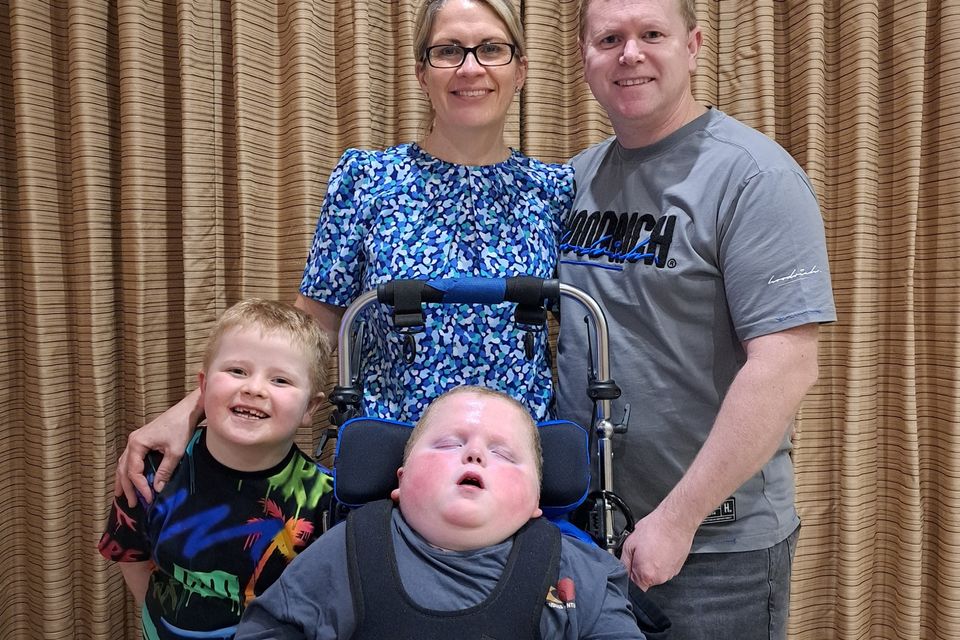
A father from Tyrrelstown, Dublin, has opened up about the emotional toll of losing his 12-year-old son to a rare form of childhood dementia. Alan Finglas and his wife Michelle Finglas received the life-altering diagnosis for their son Dylan in 2014, following concerns about his development when he was just two years old.
The family’s journey began when they sought medical advice due to Dylan’s developmental delays. Initially, the parents noticed that their son was not reaching typical milestones, prompting them to pursue further evaluations. After a series of assessments, the devastating diagnosis was confirmed: Dylan was suffering from a rare neurological disorder that led to early-onset dementia.
As the years progressed, the Finglas family witnessed a heartbreaking decline in Dylan’s health. By the time he was five, he had already lost his sight, which further complicated his ability to eat and perform everyday tasks. Alan described the experience as profoundly painful, stating, “Seeing him deteriorate was devastating. It felt like losing him piece by piece.”
The impact of childhood dementia on the Finglas family has been immense. The couple has dedicated themselves to raising awareness about the condition, hoping to educate others about its symptoms and effects. In their advocacy, they emphasize the importance of early diagnosis and intervention, which can make a significant difference in a child’s quality of life.
Despite the challenges, Alan and Michelle have found strength in their community. They have connected with other families facing similar struggles, creating a network of support that has been invaluable during their journey. “No parent should have to go through this alone,” Alan remarked.
The Finglas family’s story highlights the urgent need for increased research and funding for childhood dementia. According to the World Health Organization, childhood dementia is a neglected area in medical research, with many families experiencing a lack of resources and support. This gap can lead to delays in diagnosis and treatment, exacerbating the difficulties faced by affected children and their families.
As they navigate the complexities of Dylan’s condition, the Finglas family continues to advocate for better understanding and recognition of childhood dementia. Their hope is that by sharing their story, they can inspire action and encourage others to seek help if they have concerns about their child’s development.
The emotional and financial burden of caring for a child with such a condition is immense. Families often face significant medical expenses and the challenge of finding appropriate care. The Finglas family urges policymakers to prioritize funding for research and support services dedicated to childhood dementia, which could lead to improved outcomes for affected children and their families.
In conclusion, the journey of Alan, Michelle, and Dylan Finglas serves as a poignant reminder of the challenges posed by childhood dementia. Their advocacy not only honors Dylan’s memory but also seeks to pave the way for better awareness and support in the future.

Mother Reveals Daughter’s Meningitis Seizure After Night Out

Major Oil Spill Disrupts Traffic in Donegal on March 16, 2026

Discovering Literature: The Joys of Rejoining a Public Library

Ted Season 2 Announced: Release Date & Trailer Updates Revealed

Research Ireland and UKRI Forge New Collaboration Agreement

David McGoldrick’s Impressive Scoring Streak Sparks World Cup Talk

Plane Crash Claims Lives of Publishing Heir, Pregnant Wife, and Pilot

Oscars Snub Brigitte Bardot Sparks Controversy Over In Memoriam

Meta Plans Major Layoffs to Offset Rising AI Investment Costs

Tributes Surge for 9-Year-Old Leon Briody After Cancer Battle

Aimee Osbourne Joins Family for Emotional Tribute to Ozzy

Danny Healy-Rae Considers Complaint After Altercation with Garda

Hawaii Commemorates 80 Years Since Hiroshima Bombing with Ceremony

Ireland Enjoys Summer Heat as Hurricane Erin Approaches Atlantic

Couple Convicted of Murdering Two-Year-Old Grandson in Wales

Newcastle West Woman Patricia Foley Found Safe After Urgent Search

Fianna Fáil TDs Urgently Consider Maire Geoghegan-Quinn for Presidency

Gaza Aid Distribution Tragedy: 20 Killed Amid Ongoing Violence
-
 Top Stories7 months ago
Tributes Surge for 9-Year-Old Leon Briody After Cancer Battle
-
 Entertainment9 months ago
Aimee Osbourne Joins Family for Emotional Tribute to Ozzy
-
 Politics9 months ago
Danny Healy-Rae Considers Complaint After Altercation with Garda
-
 World9 months ago
Hawaii Commemorates 80 Years Since Hiroshima Bombing with Ceremony
-
 Top Stories8 months ago
Ireland Enjoys Summer Heat as Hurricane Erin Approaches Atlantic
-
 World9 months ago
Couple Convicted of Murdering Two-Year-Old Grandson in Wales
-
 Top Stories7 months ago
Newcastle West Woman Patricia Foley Found Safe After Urgent Search
-
 Top Stories9 months ago
Fianna Fáil TDs Urgently Consider Maire Geoghegan-Quinn for Presidency
-
 World9 months ago
Gaza Aid Distribution Tragedy: 20 Killed Amid Ongoing Violence
-

 World9 months ago
Aristocrat Constance Marten and Partner Convicted of Infant Murder
-

 Top Stories8 months ago
Hike Donegal’s Errigal Mountain NOW for Unforgettable Summer Views
-

 Top Stories8 months ago
Climbing Errigal: A Must-Do Summer Adventure in Donegal