
Health
Grandparent Caregivers Boost Brain Health, Especially for Women

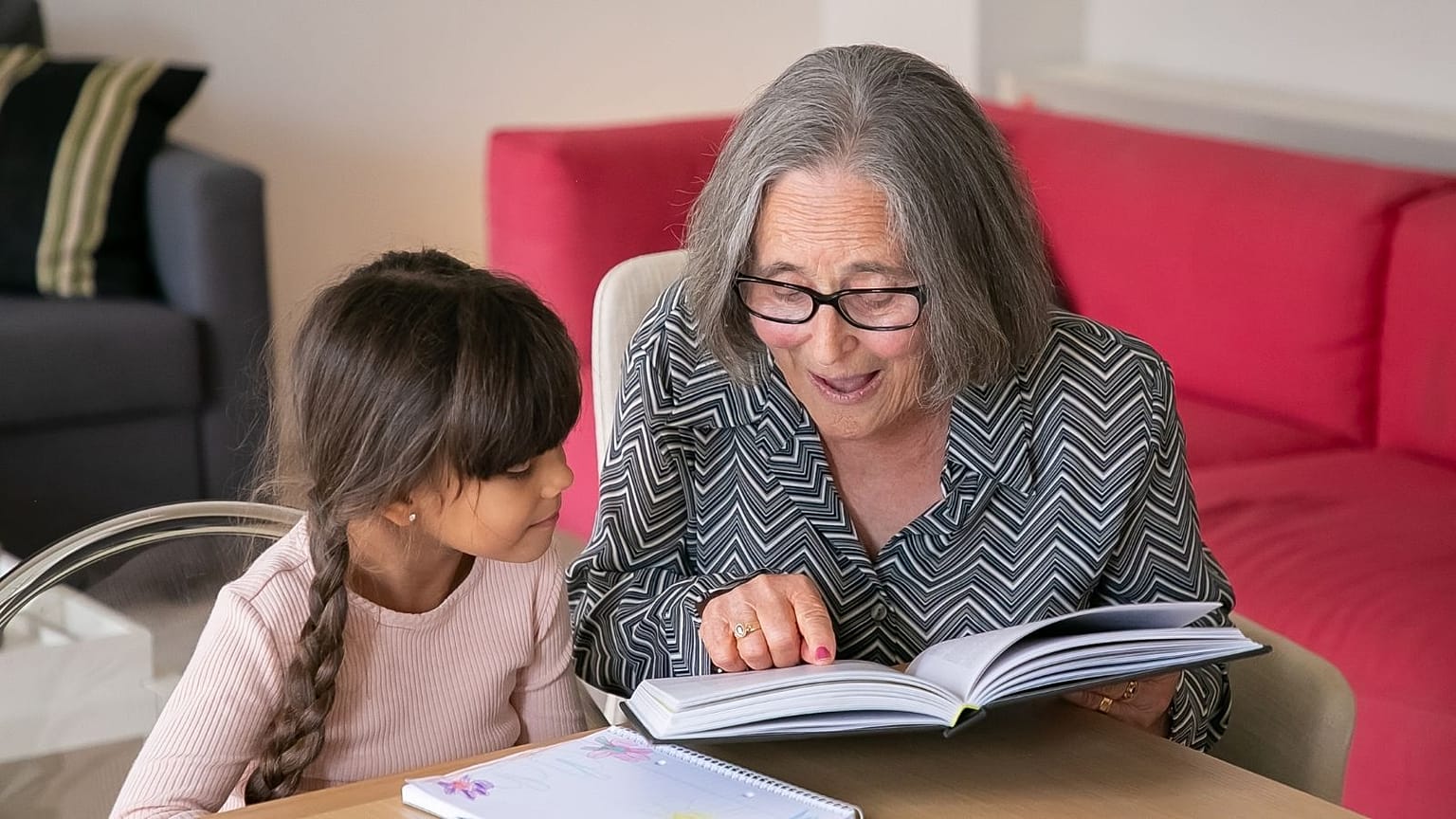
A recent study has revealed that caring for grandchildren significantly enhances cognitive health in older adults, particularly benefiting grandmothers. Conducted by researchers at Tilburg University in the Netherlands and published by the American Psychological Association, the study highlights the protective effects of grandparenting on memory and verbal skills over time.
The research examined 2,887 grandparents over the age of 50, with a mean age of 67, all of whom were cognitively healthy and living independently. Participants provided insights into their caregiving experiences through surveys and cognitive tests conducted three times between 2016 and 2022. The findings indicate that regular interactions with grandchildren, such as helping with homework or engaging in play, are linked to improved verbal fluency and episodic memory—the ability to recall personal past events.
Key Findings on Cognitive Benefits
Flavia Chereches, the lead researcher, noted, “What stood out most to us was that being a caregiving grandparent seemed to matter more for cognitive functioning than how often grandparents provided care or what exactly they did with their grandchildren.” Approximately 56 percent of participants reported acting as caregivers throughout the year.
The study emphasizes the importance of specific caregiving activities. For instance, grandparents who regularly played games or assisted with homework demonstrated greater verbal fluency, while those who frequently picked up grandchildren from school exhibited enhanced cognitive skills.
The research also delves into gender differences among caregivers. Grandmothers typically engage more frequently in caregiving than grandfathers. Notably, the cognitive benefits appear to last longer for women. Grandmothers who provided care exhibited sharper memory and better verbal skills at the beginning of the study, with their cognitive decline occurring at a slower rate compared to those who did not care for grandchildren. In contrast, while caregiving grandfathers started with better cognitive skills than their non-caregiving counterparts, their decline matched that of non-caregivers.
Understanding Caregiving Dynamics
The study indicates that grandmothers tend to engage in more physical and emotional caregiving, while grandfathers are more likely to focus on leisure activities. Chereches pointed out that the family context plays a crucial role in these dynamics. “Providing care voluntarily, within a supportive family environment, may have different effects for grandparents than caregiving in a more stressful environment,” she explained.
The researchers concluded that further exploration is needed to understand the nuanced effects of family support and caregiving dynamics on cognitive health. This study underscores the importance of intergenerational relationships and their potential to enhance the well-being of older adults, particularly through the nurturing roles they play in their families.

Mother Reveals Daughter’s Meningitis Seizure After Night Out

Major Oil Spill Disrupts Traffic in Donegal on March 16, 2026

Discovering Literature: The Joys of Rejoining a Public Library

Ted Season 2 Announced: Release Date & Trailer Updates Revealed

Research Ireland and UKRI Forge New Collaboration Agreement

David McGoldrick’s Impressive Scoring Streak Sparks World Cup Talk

Plane Crash Claims Lives of Publishing Heir, Pregnant Wife, and Pilot

Oscars Snub Brigitte Bardot Sparks Controversy Over In Memoriam

Meta Plans Major Layoffs to Offset Rising AI Investment Costs

Tributes Surge for 9-Year-Old Leon Briody After Cancer Battle

Aimee Osbourne Joins Family for Emotional Tribute to Ozzy

Danny Healy-Rae Considers Complaint After Altercation with Garda

Hawaii Commemorates 80 Years Since Hiroshima Bombing with Ceremony

Ireland Enjoys Summer Heat as Hurricane Erin Approaches Atlantic

Couple Convicted of Murdering Two-Year-Old Grandson in Wales

Newcastle West Woman Patricia Foley Found Safe After Urgent Search

Fianna Fáil TDs Urgently Consider Maire Geoghegan-Quinn for Presidency

Gaza Aid Distribution Tragedy: 20 Killed Amid Ongoing Violence
-
 Top Stories7 months ago
Tributes Surge for 9-Year-Old Leon Briody After Cancer Battle
-
 Entertainment8 months ago
Aimee Osbourne Joins Family for Emotional Tribute to Ozzy
-
 Politics9 months ago
Danny Healy-Rae Considers Complaint After Altercation with Garda
-
 World9 months ago
Hawaii Commemorates 80 Years Since Hiroshima Bombing with Ceremony
-
 Top Stories8 months ago
Ireland Enjoys Summer Heat as Hurricane Erin Approaches Atlantic
-
 World9 months ago
Couple Convicted of Murdering Two-Year-Old Grandson in Wales
-
 Top Stories7 months ago
Newcastle West Woman Patricia Foley Found Safe After Urgent Search
-
 Top Stories9 months ago
Fianna Fáil TDs Urgently Consider Maire Geoghegan-Quinn for Presidency
-
 World9 months ago
Gaza Aid Distribution Tragedy: 20 Killed Amid Ongoing Violence
-

 World9 months ago
Aristocrat Constance Marten and Partner Convicted of Infant Murder
-

 Top Stories8 months ago
Hike Donegal’s Errigal Mountain NOW for Unforgettable Summer Views
-

 Top Stories8 months ago
Climbing Errigal: A Must-Do Summer Adventure in Donegal