
Health
National Cancer Registry Confirms Pandemic Delays Had No Lasting Impact

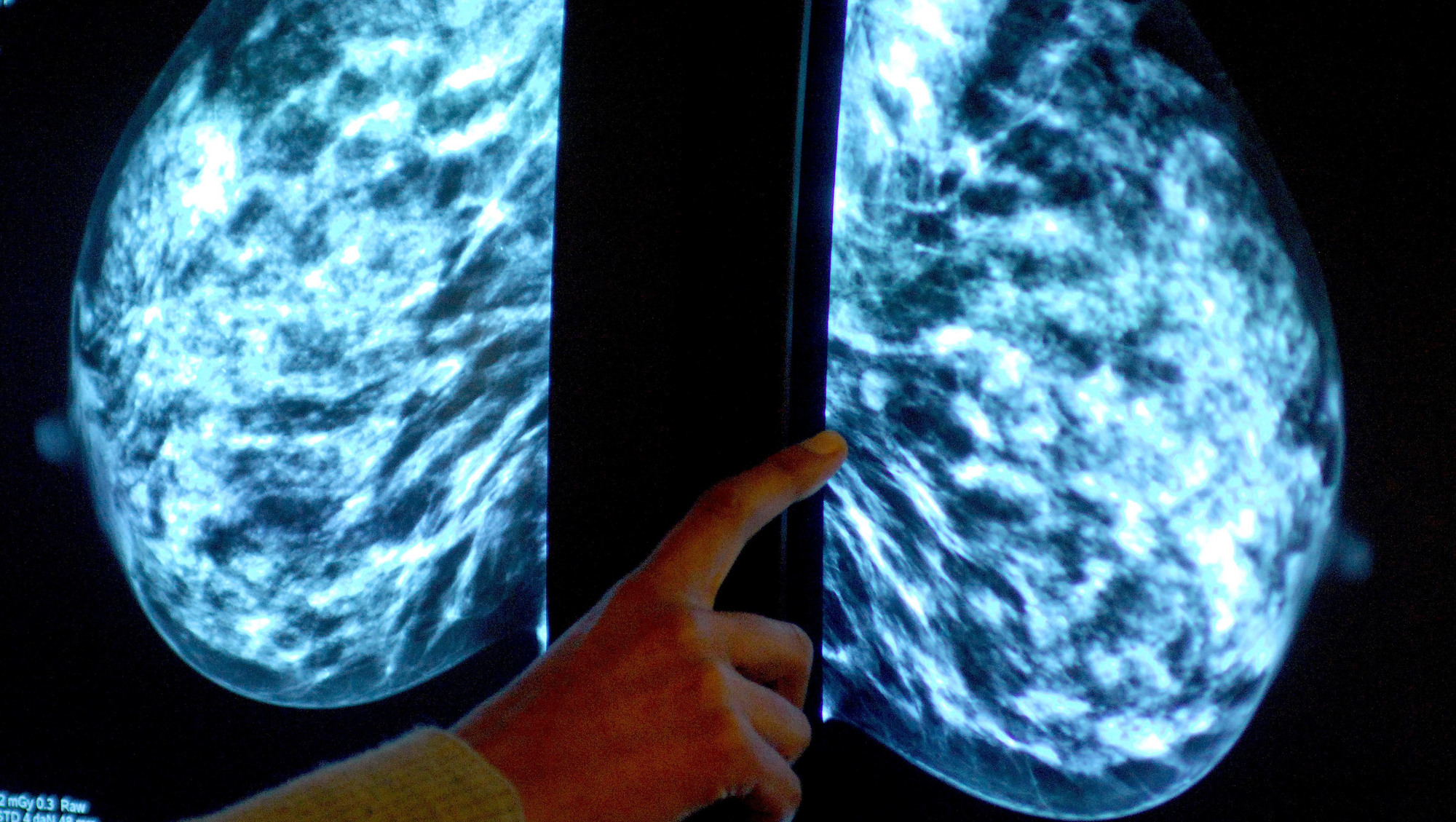
The National Cancer Registry Ireland (NCRI) has reported that delays in cancer diagnosis during the early months of the COVID-19 pandemic did not have a lasting impact on survival rates or mortality associated with cancer. This finding addresses concerns that limited healthcare services in 2020 may have led to missed diagnoses and subsequent negative outcomes for cancer patients.
In a report published on March 15, 2024, the NCRI stated, “While COVID severely disrupted cancer detection during 2020, Ireland’s cancer outcomes remained stable overall, and there is no clear evidence to date of lasting harm to early survival or mortality.” The registry found no consistent increase in late-stage cancer diagnoses following the pandemic, indicating that survival rates for all cancer types during 2020 and 2021 remained comparable to those in previous years.
The NCRI acknowledged a significant decline in cancer diagnoses, with a sharp drop of 27% in early 2020. This disruption was attributed to the pandemic’s impact on healthcare services. Nevertheless, the report highlighted a swift recovery in cancer detection, stating, “The system reconfigured quickly during the pandemic and recovered quickly after. By 2022, the number of diagnosed cases had returned to expected levels.”
Although the total number of cancer cases registered during the pandemic was 2% below the pre-pandemic average, there was a notable 9% increase in diagnoses post-pandemic. The registry emphasized that there were “no significant increases” in cancer-related deaths during this period.
Professor Deirdre Murray, director of the NCRI, characterized the findings as reassuring for patients and their families. She noted, “Some may have feared that the pause in screening programmes and the shift to virtual GP appointments would lead to a sharp rise in late-stage diagnoses. There is, however, no evidence of this in the data.” She further remarked on the initial worries regarding late presentations of advanced cancer, stating, “This did not happen.”
While the NCRI acknowledged that longer-term effects of the pandemic on cancer outcomes could not be completely discounted, the evidence up to this point suggests that cancer patients were largely protected during this period. The report indicated that a slight increase in cancer deaths observed from 2020 to 2022 aligned with broader population changes rather than being a direct consequence of the pandemic.
As healthcare systems continue to adapt in the wake of COVID-19, the NCRI’s findings provide crucial insights into the resilience of cancer care in Ireland during an unprecedented global crisis.

Mother Reveals Daughter’s Meningitis Seizure After Night Out

Major Oil Spill Disrupts Traffic in Donegal on March 16, 2026

Discovering Literature: The Joys of Rejoining a Public Library

Ted Season 2 Announced: Release Date & Trailer Updates Revealed

Research Ireland and UKRI Forge New Collaboration Agreement

David McGoldrick’s Impressive Scoring Streak Sparks World Cup Talk

Plane Crash Claims Lives of Publishing Heir, Pregnant Wife, and Pilot

Oscars Snub Brigitte Bardot Sparks Controversy Over In Memoriam

Meta Plans Major Layoffs to Offset Rising AI Investment Costs

Tributes Surge for 9-Year-Old Leon Briody After Cancer Battle

Aimee Osbourne Joins Family for Emotional Tribute to Ozzy

Danny Healy-Rae Considers Complaint After Altercation with Garda

Hawaii Commemorates 80 Years Since Hiroshima Bombing with Ceremony

Ireland Enjoys Summer Heat as Hurricane Erin Approaches Atlantic

Couple Convicted of Murdering Two-Year-Old Grandson in Wales

Gaza Aid Distribution Tragedy: 20 Killed Amid Ongoing Violence

Newcastle West Woman Patricia Foley Found Safe After Urgent Search

Fianna Fáil TDs Urgently Consider Maire Geoghegan-Quinn for Presidency
-
 Top Stories10 months ago
Tributes Surge for 9-Year-Old Leon Briody After Cancer Battle
-
 Entertainment12 months ago
Aimee Osbourne Joins Family for Emotional Tribute to Ozzy
-
 Politics12 months ago
Danny Healy-Rae Considers Complaint After Altercation with Garda
-
 World12 months ago
Hawaii Commemorates 80 Years Since Hiroshima Bombing with Ceremony
-
 Top Stories11 months ago
Ireland Enjoys Summer Heat as Hurricane Erin Approaches Atlantic
-
 World12 months ago
Couple Convicted of Murdering Two-Year-Old Grandson in Wales
-
 World12 months ago
Gaza Aid Distribution Tragedy: 20 Killed Amid Ongoing Violence
-
 Top Stories10 months ago
Newcastle West Woman Patricia Foley Found Safe After Urgent Search
-
 Top Stories12 months ago
Fianna Fáil TDs Urgently Consider Maire Geoghegan-Quinn for Presidency
-

 World1 year ago
Aristocrat Constance Marten and Partner Convicted of Infant Murder
-

 Top Stories12 months ago
Climbing Errigal: A Must-Do Summer Adventure in Donegal
-

 Top Stories12 months ago
Hike Donegal’s Errigal Mountain NOW for Unforgettable Summer Views