
Health
New Gonorrhoea Drug Zoliflodacin Offers Hope Against Resistance

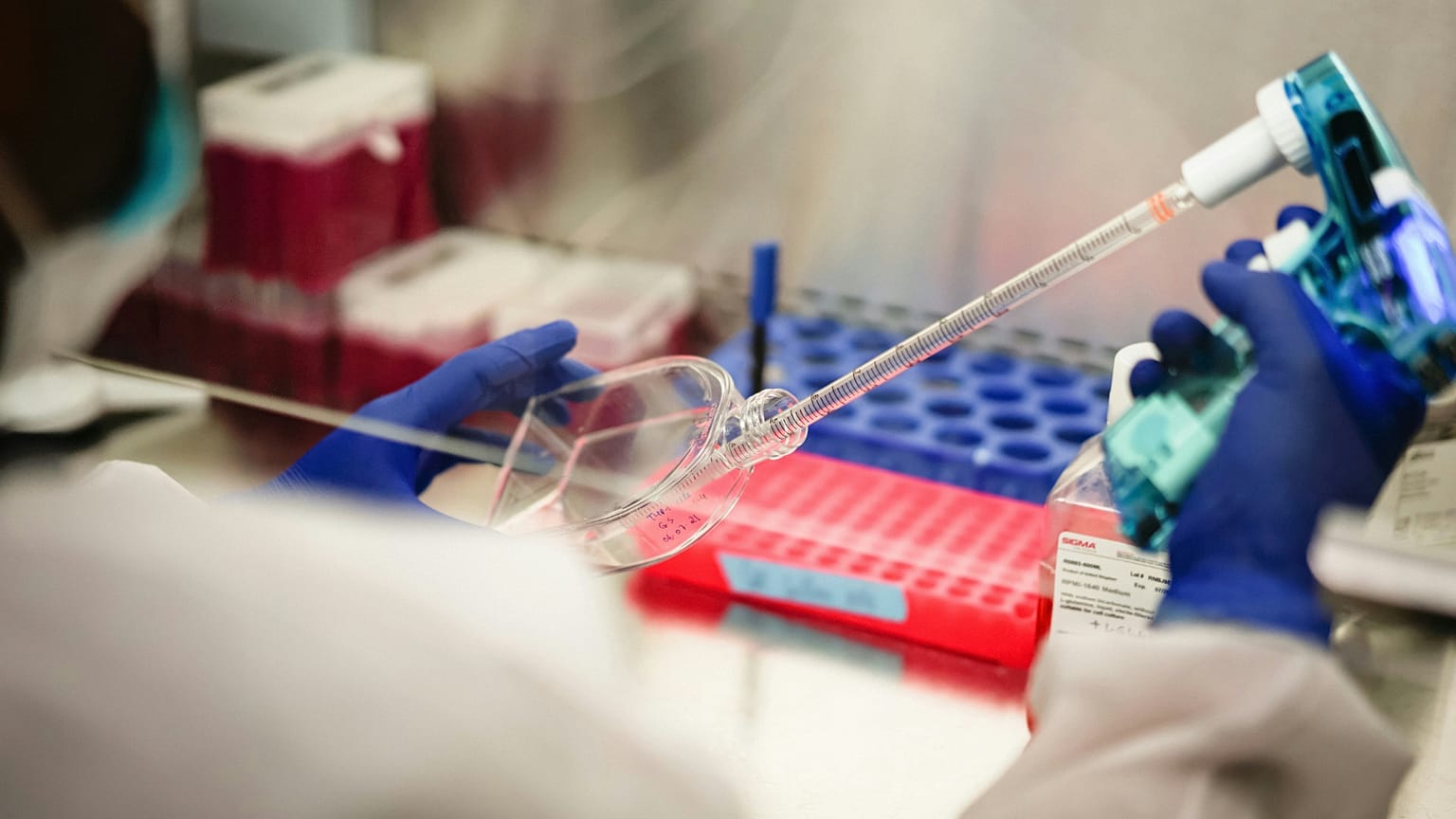
A new single-dose treatment for gonorrhoea, named Zoliflodacin, is poised for approval in the United States, potentially marking a significant advancement in the fight against antibiotic-resistant infections. This development comes as the prevalence of antibiotic-resistant strains of the bacteria responsible for gonorrhoea continues to rise, complicating treatment options for this common sexually transmitted infection (STI).
Gonorrhoea is often asymptomatic, which can lead to serious health complications, including pelvic inflammatory disease and infertility, if left untreated. Zoliflodacin is the first antibiotic developed exclusively for gonorrhoea in decades. Researchers conducted a clinical trial involving over 900 participants from various countries, including the United States, South Africa, Thailand, Belgium, and the Netherlands. The findings, published in The Lancet, revealed that the new treatment successfully cured more than 90 percent of infections at genital sites.
Clinical Trial Results and Implications
The clinical trial, which represents the largest evaluation to date of participants with N. gonorrhoeae infection, demonstrated that the single-dose pill was well tolerated, with side effects comparable to current treatments. No serious safety issues were reported, indicating a promising profile for this new medication.
Professor Edward Hook, a lead researcher from the University of Alabama, emphasized the growing urgency for new treatment options. “Gonorrhoea continues to be a significant public health concern worldwide, and the growing challenge of antimicrobial resistance only heightens the urgency for new treatment options,” he stated. The long absence of new therapies coupled with rising resistance rates has posed considerable challenges for healthcare providers managing this STI.
In the European Union, approximately 100,000 confirmed cases of gonorrhoea were recorded in 2023, translating to 25 cases per 100,000 people. This figure marks a 31 percent increase from the previous year, highlighting the urgent need for effective treatment options.
Addressing Rising Antibiotic Resistance
Currently, the primary treatment for gonorrhoea is ceftriaxone. While resistance to ceftriaxone remains relatively uncommon in the EU, the effectiveness of azithromycin, which is often used in conjunction with ceftriaxone, has been declining. A report from the European Centre for Disease Prevention and Control (ECDC) revealed that resistance to azithromycin reached 25.6 percent in 2022.
The development of Zoliflodacin was made possible through a collaboration between Innoviva Speciality Therapeutics and the non-profit Global Antibiotic Research & Development Partnership (GARDP). The U.S. Food and Drug Administration (FDA) is expected to grant marketing approval for the drug in the coming days. In contrast, Zoliflodacin remains classified as an investigational drug in the EU, only accessible through clinical trials or national early-access frameworks.
The arrival of this new treatment represents a potential turning point in managing gonorrhoea, particularly as public health officials grapple with the complexities introduced by antibiotic resistance. With a continued focus on developing innovative therapies, the medical community hopes to enhance outcomes for patients and reduce the public health burden of this pervasive infection.

Mother Reveals Daughter’s Meningitis Seizure After Night Out

Major Oil Spill Disrupts Traffic in Donegal on March 16, 2026

Discovering Literature: The Joys of Rejoining a Public Library

Ted Season 2 Announced: Release Date & Trailer Updates Revealed

Research Ireland and UKRI Forge New Collaboration Agreement

David McGoldrick’s Impressive Scoring Streak Sparks World Cup Talk

Plane Crash Claims Lives of Publishing Heir, Pregnant Wife, and Pilot

Oscars Snub Brigitte Bardot Sparks Controversy Over In Memoriam

Meta Plans Major Layoffs to Offset Rising AI Investment Costs

Tributes Surge for 9-Year-Old Leon Briody After Cancer Battle

Aimee Osbourne Joins Family for Emotional Tribute to Ozzy

Danny Healy-Rae Considers Complaint After Altercation with Garda

Hawaii Commemorates 80 Years Since Hiroshima Bombing with Ceremony

Ireland Enjoys Summer Heat as Hurricane Erin Approaches Atlantic

Couple Convicted of Murdering Two-Year-Old Grandson in Wales

Gaza Aid Distribution Tragedy: 20 Killed Amid Ongoing Violence

Newcastle West Woman Patricia Foley Found Safe After Urgent Search

Fianna Fáil TDs Urgently Consider Maire Geoghegan-Quinn for Presidency
-
 Top Stories10 months ago
Tributes Surge for 9-Year-Old Leon Briody After Cancer Battle
-
 Entertainment12 months ago
Aimee Osbourne Joins Family for Emotional Tribute to Ozzy
-
 Politics12 months ago
Danny Healy-Rae Considers Complaint After Altercation with Garda
-
 World12 months ago
Hawaii Commemorates 80 Years Since Hiroshima Bombing with Ceremony
-
 Top Stories11 months ago
Ireland Enjoys Summer Heat as Hurricane Erin Approaches Atlantic
-
 World12 months ago
Couple Convicted of Murdering Two-Year-Old Grandson in Wales
-
 World12 months ago
Gaza Aid Distribution Tragedy: 20 Killed Amid Ongoing Violence
-
 Top Stories10 months ago
Newcastle West Woman Patricia Foley Found Safe After Urgent Search
-
 Top Stories12 months ago
Fianna Fáil TDs Urgently Consider Maire Geoghegan-Quinn for Presidency
-

 World12 months ago
Aristocrat Constance Marten and Partner Convicted of Infant Murder
-

 Top Stories11 months ago
Climbing Errigal: A Must-Do Summer Adventure in Donegal
-

 Top Stories11 months ago
Hike Donegal’s Errigal Mountain NOW for Unforgettable Summer Views