
Health
Night Nurse Shares Insights on End-of-Life Care and Love

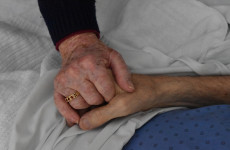
Richard Keane, a night nurse with the Irish Cancer Society, has dedicated four years to providing compassionate end-of-life care. His role involves supporting patients and their families during their most challenging moments, offering a unique perspective on grief and love that often contrasts with public perceptions of such a demanding profession.
Understanding the Role of a Night Nurse
Keane’s work commences around 22:00, as he travels across Connaught to reach patients in their homes. His arrival, often late at night, can initially evoke apprehension in families who must trust this stranger to care for their loved one. Keane aims to reassure them, often encouraging family members to rest after providing around-the-clock care for days or weeks.
Nighttime brings a quiet intimacy that allows families to voice their concerns and share their fears. Keane provides necessary medications and ensures patients are comfortable, ready to wake family members should a situation change suddenly. He recognizes that everyone wants to be present during these final moments, highlighting the importance of connection and support.
Moments of Reflection and Love
Fear often permeates these final hours, yet Keane emphasizes that love frequently shines through that fear. When a patient passes away, families often share stories that illuminate the life of their loved one. This exchange provides Keane with a deeper understanding of the individuals he cares for, transforming the experience from one of sorrow to a celebration of life.
“People do not always bid farewell with tears alone, but with a sad smile and a lifetime of memories,” Keane reflects.
After practical matters are addressed, families often invite Keane to share a cup of tea, creating a space for connection. This gesture allows them to revisit cherished memories, pointing to photographs and reminiscing about significant moments shared with the deceased. These interactions enable Keane to witness the profound love and pride families hold for their loved ones, reinforcing his view that his work is an honour rather than a burden.
As he drives home, often in darkness and challenging weather, the transformation of the landscape at sunrise serves as a metaphor for the hidden beauty in every life. Keane recalls moments when he discovered breathtaking views, previously obscured by night, akin to the stories shared in the quiet aftermath of a death.
The ability for individuals to pass away peacefully at home is often a wish fulfilled by their families, made possible through the support received from the public, particularly during events like Daffodil Day on March 20. Keane emphasizes the significance of this fundraising effort, which sustains the vital and unique service offered by the Irish Cancer Society.
Night nursing, provided by highly trained and registered nurses, operates between 23:00 and 07:00, delivering free end-of-life care to cancer patients. This service allows individuals to spend their final days surrounded by family, fulfilling a deeply held desire for many.
Anyone seeking support or information about cancer can reach out to the Irish Cancer Society through their Freephone Support Line at 1800 200 700 or via email at [email protected]. The work of dedicated night nurses like Richard Keane highlights not only the challenges of end-of-life care but also the profound connections and love that emerge during this sensitive time.

Mother Reveals Daughter’s Meningitis Seizure After Night Out

Major Oil Spill Disrupts Traffic in Donegal on March 16, 2026

Discovering Literature: The Joys of Rejoining a Public Library

Ted Season 2 Announced: Release Date & Trailer Updates Revealed

Research Ireland and UKRI Forge New Collaboration Agreement

David McGoldrick’s Impressive Scoring Streak Sparks World Cup Talk

Plane Crash Claims Lives of Publishing Heir, Pregnant Wife, and Pilot

Oscars Snub Brigitte Bardot Sparks Controversy Over In Memoriam

Meta Plans Major Layoffs to Offset Rising AI Investment Costs

Tributes Surge for 9-Year-Old Leon Briody After Cancer Battle

Aimee Osbourne Joins Family for Emotional Tribute to Ozzy

Danny Healy-Rae Considers Complaint After Altercation with Garda

Hawaii Commemorates 80 Years Since Hiroshima Bombing with Ceremony

Ireland Enjoys Summer Heat as Hurricane Erin Approaches Atlantic

Couple Convicted of Murdering Two-Year-Old Grandson in Wales

Newcastle West Woman Patricia Foley Found Safe After Urgent Search

Fianna Fáil TDs Urgently Consider Maire Geoghegan-Quinn for Presidency

Gaza Aid Distribution Tragedy: 20 Killed Amid Ongoing Violence
-
 Top Stories7 months ago
Tributes Surge for 9-Year-Old Leon Briody After Cancer Battle
-
 Entertainment8 months ago
Aimee Osbourne Joins Family for Emotional Tribute to Ozzy
-
 Politics8 months ago
Danny Healy-Rae Considers Complaint After Altercation with Garda
-
 World9 months ago
Hawaii Commemorates 80 Years Since Hiroshima Bombing with Ceremony
-
 Top Stories8 months ago
Ireland Enjoys Summer Heat as Hurricane Erin Approaches Atlantic
-
 World9 months ago
Couple Convicted of Murdering Two-Year-Old Grandson in Wales
-
 Top Stories7 months ago
Newcastle West Woman Patricia Foley Found Safe After Urgent Search
-
 Top Stories9 months ago
Fianna Fáil TDs Urgently Consider Maire Geoghegan-Quinn for Presidency
-
 World9 months ago
Gaza Aid Distribution Tragedy: 20 Killed Amid Ongoing Violence
-

 World9 months ago
Aristocrat Constance Marten and Partner Convicted of Infant Murder
-

 Top Stories8 months ago
Hike Donegal’s Errigal Mountain NOW for Unforgettable Summer Views
-

 Top Stories8 months ago
Climbing Errigal: A Must-Do Summer Adventure in Donegal