
Health
Senior Doctor Advocates for Continued RSV Immunisation for Infants

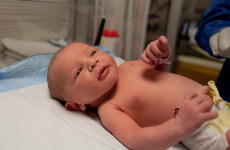
A senior paediatrician has raised significant concerns regarding the potential discontinuation of the Respiratory Syncytial Virus (RSV) immunisation programme for infants in Ireland. Professor Dr Afif El-Khuffash, who works in a neonatal intensive care unit, emphasized that cutting the programme could lead to overwhelming pressure on children’s hospitals next winter. This decision could also create disparities in healthcare access for different birth cohorts.
Dr El-Khuffash highlighted ethical implications of halting the immunisation, questioning why infants born in recent years would receive the injection while those born subsequently might not. He stated, “If you stop the protection, you are creating an inequality between birth cohorts.” His remarks follow a preliminary assessment by the Health Information and Quality Authority (HIQA), which found the programme lacking in cost-effectiveness, focusing narrowly on financial metrics without considering the broader impact on families and hospital systems.
The Importance of the RSV Immunisation Programme
RSV is a highly contagious virus that commonly causes mild cold and flu-like symptoms but can lead to severe complications, particularly in infants under six months, premature babies, and older adults over 80. In Ireland, RSV outbreaks occur annually during winter, often straining the health system. Hospitals frequently advise patients to avoid emergency departments due to overcrowding, particularly during peak RSV seasons.
To mitigate this pressure, the Health Service Executive (HSE) launched a temporary immunisation programme offering an antibody injection to infants born between September 2024 and February 2025. This initiative was successfully repeated for the 2025-2026 RSV season. Now, the Department of Health is considering whether to extend the programme further.
In its initial assessment, HIQA acknowledged that the immunisation programme effectively reduced RSV-related hospitalisations. “Immunisation would reduce the number of people that require medical care and hospital care,” the authority stated. However, HIQA also noted the financial implications, estimating that a full rollout for infants would cost around €60 million over five years, while immunising older adults over 80 could reach approximately €70 million. HIQA concluded that unless the HSE could negotiate better pricing, long-term immunisation for either group would not be an efficient allocation of resources.
Dr El-Khuffash argues that discontinuing the programme would ultimately burden children’s hospitals during winter months and potentially lead to long-term health issues for infants suffering from RSV. He shared his personal experience, revealing that his son, now 15, became severely ill with RSV at five weeks old. “My son has asthma now,” he said, underscoring the lasting impact of the illness. “It’s important to stress that for most children, the symptoms are relatively mild and they pass, but for around 400 babies in Ireland each year, the virus leads to hospitalisation.”
Consultation and Future Implications
A public consultation regarding the RSV immunisation programme was conducted in December and concluded recently. Dr El-Khuffash noted that the issue has “gone under the radar,” with many clinicians unaware of its significance. He expressed the urgency of addressing this matter, stating that those who understand the importance of the programme are now advocating for its continuation.
The Department of Health and the HSE have been approached for comments regarding the ongoing discussions and potential decisions on the RSV immunisation programme. As the healthcare community awaits a response, the implications of this programme remain a pressing concern for paediatricians and families alike.
With the health system already facing significant challenges, the outcome of this decision could have lasting effects on Ireland’s youngest citizens and the capacity of hospitals to provide critical care during the RSV season.

Mother Reveals Daughter’s Meningitis Seizure After Night Out

Major Oil Spill Disrupts Traffic in Donegal on March 16, 2026

Discovering Literature: The Joys of Rejoining a Public Library

Ted Season 2 Announced: Release Date & Trailer Updates Revealed

Research Ireland and UKRI Forge New Collaboration Agreement

David McGoldrick’s Impressive Scoring Streak Sparks World Cup Talk

Plane Crash Claims Lives of Publishing Heir, Pregnant Wife, and Pilot

Oscars Snub Brigitte Bardot Sparks Controversy Over In Memoriam

Meta Plans Major Layoffs to Offset Rising AI Investment Costs

Tributes Surge for 9-Year-Old Leon Briody After Cancer Battle

Aimee Osbourne Joins Family for Emotional Tribute to Ozzy

Danny Healy-Rae Considers Complaint After Altercation with Garda

Hawaii Commemorates 80 Years Since Hiroshima Bombing with Ceremony

Ireland Enjoys Summer Heat as Hurricane Erin Approaches Atlantic

Couple Convicted of Murdering Two-Year-Old Grandson in Wales

Newcastle West Woman Patricia Foley Found Safe After Urgent Search

Fianna Fáil TDs Urgently Consider Maire Geoghegan-Quinn for Presidency

Gaza Aid Distribution Tragedy: 20 Killed Amid Ongoing Violence
-
 Top Stories7 months ago
Tributes Surge for 9-Year-Old Leon Briody After Cancer Battle
-
 Entertainment9 months ago
Aimee Osbourne Joins Family for Emotional Tribute to Ozzy
-
 Politics9 months ago
Danny Healy-Rae Considers Complaint After Altercation with Garda
-
 World9 months ago
Hawaii Commemorates 80 Years Since Hiroshima Bombing with Ceremony
-
 Top Stories8 months ago
Ireland Enjoys Summer Heat as Hurricane Erin Approaches Atlantic
-
 World9 months ago
Couple Convicted of Murdering Two-Year-Old Grandson in Wales
-
 Top Stories7 months ago
Newcastle West Woman Patricia Foley Found Safe After Urgent Search
-
 Top Stories9 months ago
Fianna Fáil TDs Urgently Consider Maire Geoghegan-Quinn for Presidency
-
 World9 months ago
Gaza Aid Distribution Tragedy: 20 Killed Amid Ongoing Violence
-

 World9 months ago
Aristocrat Constance Marten and Partner Convicted of Infant Murder
-

 Top Stories8 months ago
Hike Donegal’s Errigal Mountain NOW for Unforgettable Summer Views
-

 Top Stories8 months ago
Climbing Errigal: A Must-Do Summer Adventure in Donegal