
Health
Study Shows Injuries During Menstruation Impact Recovery for Female Footballers

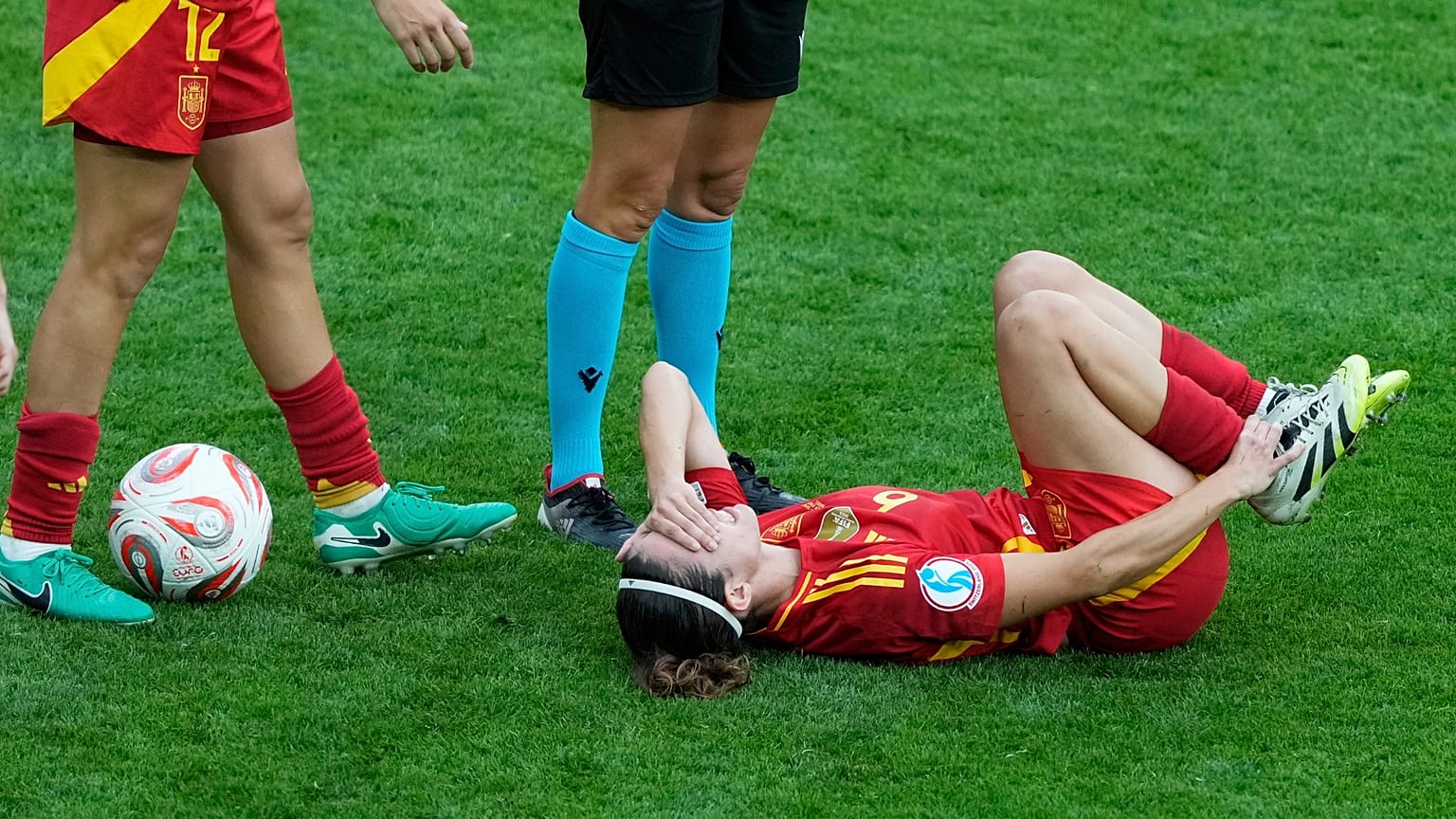
A recent study highlights that female footballers may face longer recovery times and more severe injuries if they sustain injuries during their menstrual periods. The research, published in the journal Frontiers in Sports and Active Living on March 5, 2024, indicates that while menstruation does not increase injury risk, it is associated with worse outcomes when injuries do occur.
Over four seasons from 2019 to 2023, researchers tracked players from FC Barcelona competing in the Spanish professional national league. Lead author Eva Ferrer, a specialist in sports medicine and female health at Sant Joan de Déu Hospital and the Barça Innovation Hub, stated, “We show that menstruation itself does not increase how often injuries happen.”
More concerning is the study’s finding that injuries sustained during menstruation result in three times more days lost to recovery compared to injuries occurring at other times in the menstrual cycle. Specifically, soft tissue injuries to muscles, tendons, and ligaments took an average of 684 days lost per 1,000 training hours when sustained during bleeding days, compared to just 206 days for injuries occurring on non-bleeding days.
Understanding the Menstrual Cycle’s Impact on Athletic Performance
The menstrual cycle involves fluctuations in hormone levels, which can impact various bodily functions, including muscle performance, metabolism, and immune response. Low estrogen levels may hinder muscle repair and contribute to increased fatigue, pain, and sleep disturbances. Additionally, the loss of iron during menstruation can diminish stamina and prolong recovery times.
This is not the first instance of hormonal changes influencing sports injuries among female athletes. The International Federation of Association Football (FIFA) has initiated a separate study to further investigate the relationship between the menstrual cycle and anterior cruciate ligament (ACL) injuries in women’s football. Researcher Simon Augustus noted, “We know hormones fluctuate during different phases of the cycle, but we don’t yet know how much of an influence that may have on the risk of injury.”
The FIFA study will specifically monitor levels of estrogen and progesterone, hormones linked to increased ligament laxity and slower neuromuscular responses. This ongoing research aims to deepen the understanding of how these hormonal fluctuations may affect injury risks for female footballers.
Potential Strategies for Enhanced Recovery
Ferrer suggests that implementing small modifications in training routines could help mitigate the severity of injuries occurring during menstruation. Recommendations include longer warm-up sessions, adjusted high-speed workloads, and increased recovery support. These strategies could lead to improved outcomes for female athletes, enhancing their overall performance and health.
As research continues, the findings underscore the importance of addressing the unique physiological challenges faced by female footballers. Understanding the implications of the menstrual cycle on athletic performance can pave the way for more tailored training and recovery protocols, ultimately benefiting the players in the long run.

Mother Reveals Daughter’s Meningitis Seizure After Night Out

Major Oil Spill Disrupts Traffic in Donegal on March 16, 2026

Discovering Literature: The Joys of Rejoining a Public Library

Ted Season 2 Announced: Release Date & Trailer Updates Revealed

Research Ireland and UKRI Forge New Collaboration Agreement

David McGoldrick’s Impressive Scoring Streak Sparks World Cup Talk

Plane Crash Claims Lives of Publishing Heir, Pregnant Wife, and Pilot

Oscars Snub Brigitte Bardot Sparks Controversy Over In Memoriam

Meta Plans Major Layoffs to Offset Rising AI Investment Costs

Tributes Surge for 9-Year-Old Leon Briody After Cancer Battle

Aimee Osbourne Joins Family for Emotional Tribute to Ozzy

Danny Healy-Rae Considers Complaint After Altercation with Garda

Hawaii Commemorates 80 Years Since Hiroshima Bombing with Ceremony

Ireland Enjoys Summer Heat as Hurricane Erin Approaches Atlantic

Couple Convicted of Murdering Two-Year-Old Grandson in Wales

Gaza Aid Distribution Tragedy: 20 Killed Amid Ongoing Violence

Newcastle West Woman Patricia Foley Found Safe After Urgent Search

Fianna Fáil TDs Urgently Consider Maire Geoghegan-Quinn for Presidency
-
 Top Stories10 months ago
Tributes Surge for 9-Year-Old Leon Briody After Cancer Battle
-
 Entertainment12 months ago
Aimee Osbourne Joins Family for Emotional Tribute to Ozzy
-
 Politics12 months ago
Danny Healy-Rae Considers Complaint After Altercation with Garda
-
 World12 months ago
Hawaii Commemorates 80 Years Since Hiroshima Bombing with Ceremony
-
 Top Stories11 months ago
Ireland Enjoys Summer Heat as Hurricane Erin Approaches Atlantic
-
 World12 months ago
Couple Convicted of Murdering Two-Year-Old Grandson in Wales
-
 World12 months ago
Gaza Aid Distribution Tragedy: 20 Killed Amid Ongoing Violence
-
 Top Stories10 months ago
Newcastle West Woman Patricia Foley Found Safe After Urgent Search
-
 Top Stories12 months ago
Fianna Fáil TDs Urgently Consider Maire Geoghegan-Quinn for Presidency
-

 World12 months ago
Aristocrat Constance Marten and Partner Convicted of Infant Murder
-

 Top Stories11 months ago
Climbing Errigal: A Must-Do Summer Adventure in Donegal
-

 Top Stories11 months ago
Hike Donegal’s Errigal Mountain NOW for Unforgettable Summer Views