
Health
Young Adults Face Spinal Damage Linked to Laughing Gas Use

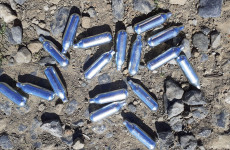
Young adults are increasingly being diagnosed with spinal cord damage associated with the recreational use of laughing gas, or nitrous oxide. A recent study published in the American Journal of Neuroradiology highlights a notable rise in such cases, particularly since the onset of the COVID-19 pandemic. The research, led by Professor Seamus Looby from the Royal College of Surgeons in Ireland (RCSI), indicates that between 2021 and 2024, there were 14 documented cases, with a median patient age of just 20 years. Remarkably, no cases were reported at Beaumont Hospital from 2012 to 2020.
The study’s findings suggest a correlation between the rise in spinal cord injuries and the increased recreational use of nitrous oxide during the pandemic. “Presentations occurring exclusively between 2020–2024 correlate with the COVID-19 pandemic and its aftermath, which aligns with reported increased misuse across Europe at this time,” the research states. This aligns with concerns raised by youth workers and community organizations about the rising prevalence of nitrous oxide misuse among young people.
The low cost and easy availability of nitrous oxide have contributed to its appeal as a recreational substance. Although it is legally sold for medical and commercial purposes, its misuse poses significant health risks. The gas can disrupt the body’s ability to process vitamin B12, potentially leading to a condition known as subacute combined degeneration (SACD) of the spinal cord. Symptoms of SACD include numbness in extremities and difficulties with balance and coordination.
Health Concerns and Lasting Effects
Professor Looby expressed alarm over the increase in spinal cord damage cases since the pandemic, urging for greater awareness and educational efforts regarding the risks associated with nitrous oxide. “We hope it prompts greater awareness and education on nitrous oxide’s potential for permanent, damaging effects,” he stated. He emphasized the importance of early medical intervention for individuals experiencing symptoms, encouraging openness about nitrous oxide use to facilitate timely diagnosis and treatment.
While many patients in the study showed improvement following treatment, none achieved a complete recovery. All participants experienced some degree of lasting neurological damage, highlighting the serious consequences of recreational nitrous oxide use. The findings serve as a critical reminder of the potential dangers associated with substances that are often perceived as harmless due to their legal status.
The RCSI’s research sheds light on a troubling trend that underscores the need for increased vigilance and preventative measures to protect young people from the hidden dangers of recreational drugs.

Mother Reveals Daughter’s Meningitis Seizure After Night Out

Major Oil Spill Disrupts Traffic in Donegal on March 16, 2026

Discovering Literature: The Joys of Rejoining a Public Library

Ted Season 2 Announced: Release Date & Trailer Updates Revealed

Research Ireland and UKRI Forge New Collaboration Agreement

David McGoldrick’s Impressive Scoring Streak Sparks World Cup Talk

Plane Crash Claims Lives of Publishing Heir, Pregnant Wife, and Pilot

Oscars Snub Brigitte Bardot Sparks Controversy Over In Memoriam

Meta Plans Major Layoffs to Offset Rising AI Investment Costs

Tributes Surge for 9-Year-Old Leon Briody After Cancer Battle

Aimee Osbourne Joins Family for Emotional Tribute to Ozzy

Danny Healy-Rae Considers Complaint After Altercation with Garda

Hawaii Commemorates 80 Years Since Hiroshima Bombing with Ceremony

Ireland Enjoys Summer Heat as Hurricane Erin Approaches Atlantic

Couple Convicted of Murdering Two-Year-Old Grandson in Wales

Newcastle West Woman Patricia Foley Found Safe After Urgent Search

Fianna Fáil TDs Urgently Consider Maire Geoghegan-Quinn for Presidency

Gaza Aid Distribution Tragedy: 20 Killed Amid Ongoing Violence
-
 Top Stories7 months ago
Tributes Surge for 9-Year-Old Leon Briody After Cancer Battle
-
 Entertainment9 months ago
Aimee Osbourne Joins Family for Emotional Tribute to Ozzy
-
 Politics9 months ago
Danny Healy-Rae Considers Complaint After Altercation with Garda
-
 World9 months ago
Hawaii Commemorates 80 Years Since Hiroshima Bombing with Ceremony
-
 Top Stories8 months ago
Ireland Enjoys Summer Heat as Hurricane Erin Approaches Atlantic
-
 World9 months ago
Couple Convicted of Murdering Two-Year-Old Grandson in Wales
-
 Top Stories7 months ago
Newcastle West Woman Patricia Foley Found Safe After Urgent Search
-
 Top Stories9 months ago
Fianna Fáil TDs Urgently Consider Maire Geoghegan-Quinn for Presidency
-
 World9 months ago
Gaza Aid Distribution Tragedy: 20 Killed Amid Ongoing Violence
-

 World9 months ago
Aristocrat Constance Marten and Partner Convicted of Infant Murder
-

 Top Stories8 months ago
Hike Donegal’s Errigal Mountain NOW for Unforgettable Summer Views
-

 Top Stories8 months ago
Climbing Errigal: A Must-Do Summer Adventure in Donegal